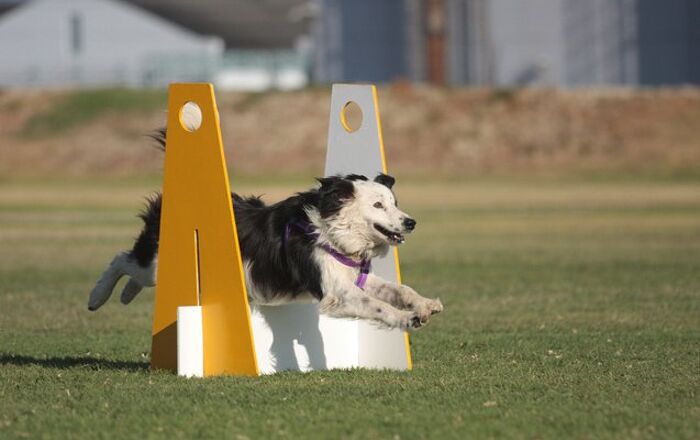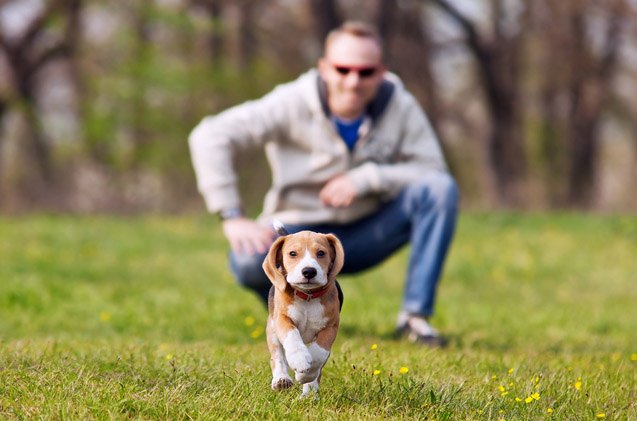
Teaching your puppy to come on command is one of the most important lessons he’ll learn
Some commands and tricks that you might teach your puppy are simply for the entertainment of you and your dog, but teaching your puppy to come when called doesn’t fall into this category. In fact, this is perhaps the most important of all commands that your pup can learn. If he can reliably come back to you when you call him, you can keep him safe from a variety of potential dangers. Of course, it’s almost impossible for any dog to have 100 percent perfect recall, but if you work hard and keep trying, you’ll soon have a puppy who’ll come back to you in more or less any circumstances.
Start Them Young
While you might be nervous about letting a young pup off the leash, it’s actually safer to start recall training with a puppy than with an older dog. Most pups lack confidence and won’t want to stray too far from their human. Of course, you should start the teaching process somewhere enclosed, but you shouldn’t be afraid to let him off the leash in appropriate areas sooner rather than later, once he’s got the hang of things.
Choosing a Command
The first thing to decide when training your pup to come is what command you’re going to use. Some people use their dog’s name, but it’s really better to have a command to avoid confusion. Popular choices are “come” or “here,” but whatever you choose, pick one and stick to it so your dog can more easily learn what it means. You can use your pup’s name and the command together. The name will get his attention and the command will tell him what you want from him.
Starting Out
It would be a bad idea to start recall training in an open space right off the bat, so begin your training sessions in an enclosed yard or inside your home. Let your dog loose but stand somewhere reasonably near to him. Call out your chosen command and try to encourage your pup to come over to you. If he won’t come over, try a few different methods. Some people find standing in an inviting posture works, others clap their hands against their legs to attract their dog’s attention. As a last result, use food to lure him over. Once he comes to you, praise him and give him a treat.
Keeping Things Positive
Positive reinforcement is the best way to teach your dog to come. It’s vital he learns that coming to you when called will result in something good and is worth his time and effort. It’s good to have some extra tasty treats to hand that you know he loves. Make sure your reserve them so he only gets them during training sessions and is therefore more likely to work to get them. However, it’s good to know what motivates your pooch. Some pups aren’t actually all the bothered by food (I know, strange, right?!) and prefer playing or being petted. If you learn what makes your puppy tick, you can offer him the most alluring reward for when he does a good job.
What to Avoid
It’s vital that you never punish your dog if he doesn’t come to you straight away. No matter if he’s been running away from you for an hour, ignoring your calls and generally being a right old pain in the backside, once he eventually comes to you, you must praise him. This might sound counter intuitive, but thing of it from your puppy’s perspective. He’s been having a fun time, romping and running about. After a time, he decides to listen to your calls and finally comes back to you at which point, you yell at him. He’s conveniently forgotten that he just spend the last hour ignoring you, so all he knows is that he came back and then you yelled at him. Not exactly a great incentive to come back next time, is it?
In Case of Emergency
No matter how good your puppy’s recall is, there may be a time when he doesn’t listen. If he’s running in the direction of a dangerous situation, rather than running after him to catch him, try calling while running in the opposite direction. Your dog can obviously outrun you and if you run after him you’ll drive him into the direction of danger. Run the other way and the likelihood is that he’ll chase after you, thinking you’re playing a fun game.

Lauren Corona is a freelance writer from merry old England. She specializes in writing about dogs and other critters. Lauren lives near Oxford, with her gorgeous Doberman, Nola. When she’s not tapping away at the keyboard, you’ll find her walking in the woods with Nola-dog, raising money for the Oxfordshire Animal Sanctuary, cooking vegan food, making zines and writing about herself in the third person.