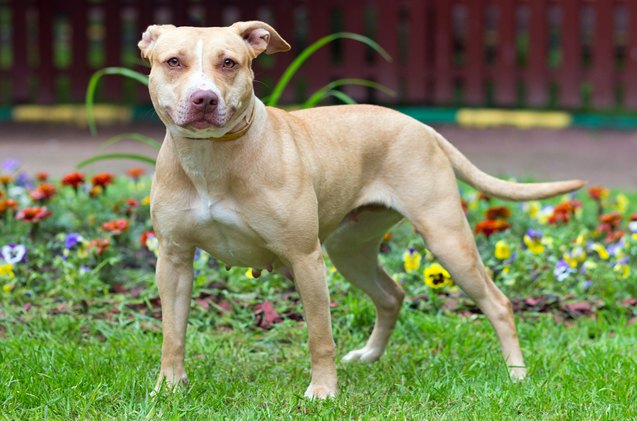
American Pitbull Terrier Basics
The American Pitbull Terrier often gets a bad rap for being an aggressive breed. This is due to the fact that these dogs are often used for dog fighting. The reality of the situation is, however, that Pitties, as they are often referred to, are not aggressive by nature – any dog will become aggressive out of pain or fear if he is mistreated by his owners. When treated properly, the American Pitbull Terrier is one of the friendliest, most gentle-hearted breeds out there. If you are looking for an energetic and fun-loving family pet, the American Pitbull Terrier may be a great option.
The American Pitbull Terrier is one of the friendliest, most gentle-hearted breeds out there.
Origin
The American Pitbull Terrier is descended from English Terriers and Bulldogs, bred in England and Ireland for the purpose of baiting bulls and bears. These dogs were bred for speed and strength with short, stiff coats and a strong jaw. When bear-baiting and bull-baiting were phased out in 1835, the Pitty came to be used for rat-baiting and dog fighting instead. Throughout the early 20th century, the breed was used for the purpose of catching semi-wild hogs and cattle as well as for driving livestock. Today the American Pitbull Terrier is kept as a companion pet and they are used for therapy dogs and police dogs. These dogs are still widely used for dog fighting in America, even though the practice is illegal.
Pedigree
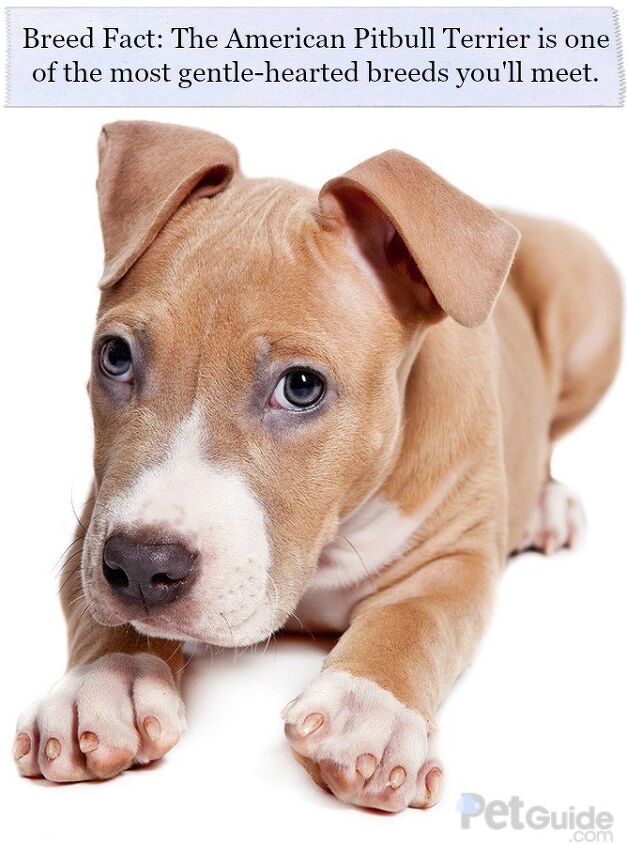
The American Pitbull Terrier is the result of a cross between Old English Terriers and Old English Bulldogs in England. When brought to the United States, these dogs formed the foundation of breeding lines for the American Pitbull Terrier. It shares its lineage with the American Staffordshire Terrier, the breed recognized by the AKC.
Food/Diet
The American Pitbull Terrier is a medium-sized breed and should be fed a commercial dog food diet formulated for dogs of its size. It is also, however, a fairly active breed and would do well with a dog food formulated for active dogs to ensure that his energy needs are met.
The American Pitbull Terrier is an intelligent breed that responds well to positive reinforcement-based training methods.
Training
The American Pitbull Terrier is an intelligent breed that responds well to positive reinforcement-based training methods. Due to their energy and intelligence, it is recommended that you start training as soon as possible with this breed. These dogs are also known to have some level of dog aggression, so early socialization is incredibly important. This breed can be trained for performance events not only because of its intelligence, but its eager-to-please attitude and willingness to work.
Weight
The size of the American Pitbull Terrier varies greatly. These dogs typically stand between 17 and 19 inches tall and they weigh anywhere from 30 to 85 pounds.
Temperament/Behavior
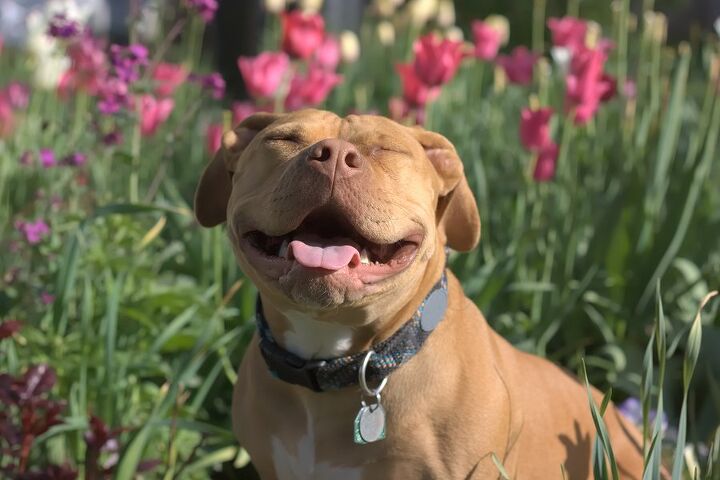
The American Pitbull Terrier is a people-loving dog that is eager to please. These dogs are incredibly friendly, even with strangers, which means that they do not make good guard dogs. American Pitbull Terriers are courageous and devoted to their family – they will not hesitate to protect their family with their lives. This breed is confident and energetic, they are also great with children which makes them an excellent family pet. Due to their terrier lineage, these dogs may have a high prey drive and they have been known to cause problems with cats and other small pets. This breed is not aggressive toward humans but dog aggression may be a problem without proper socialization and training.
Common Health Problems
The American Pitbull Terrier is largely a healthy breed but, like all dogs, it is prone to developing certain health problems. Some of the health problems known to affect the breed include hip dysplasia, cataracts, allergies, and congenital heart disease.
Life Expectancy
The average life expectancy of the American Pitbull Terrier is between 12 and 16 years.
Exercise Requirements
The American Pitbull Terrier is a fairly active breed, known for its enthusiasm and eager-to-please attitude. These dogs require a long daily walk or jog to use up their excess energy. They also enjoy active play sessions and time spent in a fenced yard.
These dogs are incredibly friendly, even with strangers, which means that they do not make good guard dogs.
AKC
The American Pitbull Terrier and the American Staffordshire Terrier were bred from the same lines but were given two different names by different American kennel clubs. The AKC recognizes the American Staffordshire Terrier and the UKC the American Pitbull Terrier.
Coat
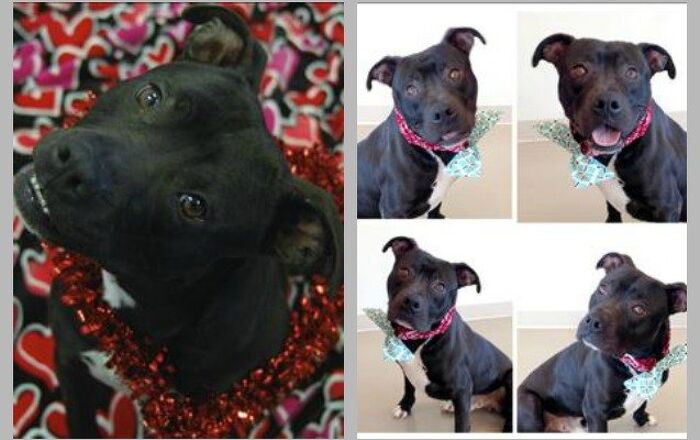
The American Pitbull Terrier has a short, smooth coat that is fairly easy to groom. The coat has a glossy appearance and a stiff texture – it ranges in color and pattern depending on breeding. These dogs are average shedders.
Puppies
The average litter size for the American Pitbull Terrier is between 5 and 10 puppies. Pitty puppies require plenty of socialization and training from an early age to control their energy. These dogs sometimes develop aggression toward other dogs, but proper socialization can prevent this from developing.
Photo credit: Earthpassage/Bigstock.com; kaprizka/Bigstock.com; Laures/Bigstock.com