Artois Hound Basics
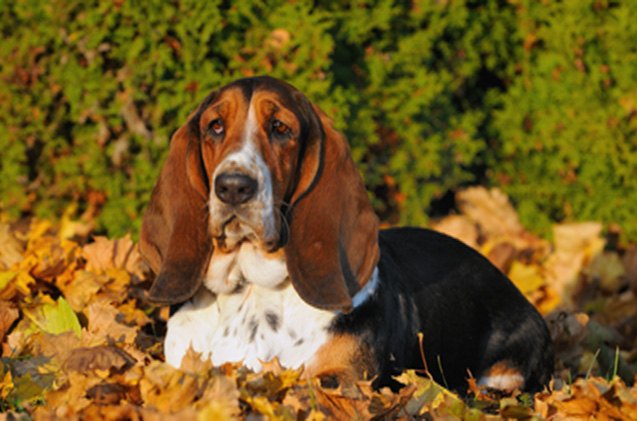
Though his appearance is very familiar, you are unlikely to have ever seen an Artois Hound. Descended from the St. Hubert Hound, this rare scent hound breed has been around for several centuries and has a reputation for being a talented hare hunter.
The Artois Hound is a rare scent hound breed has been around for several centuries and has a reputation for being a talented hare hunter.
Origin
The Artois Hound is a rare dog breed, descendant from the Bloodhound. This breed is a medium-sized scent hound formerly known as the Picard breed and he was popular for hunting during the reign of Henry IV of France. Though widely regarded as one of the best breeds for hare hunting, the Picard was rare and difficult to find during the height of his popularity. The breed remained a favorite through the 17th century but by the 19th century, it came to be crossbred with British hounds and the result was a taller, more elegant breed known as the Normand (now extinct).
In the late 1800s, efforts were made to remove Normand blood from the breeding pool and by the start of the 20th century, the old Artois type had been revived but it once again fell from grace during the First and Second World Wars. For years, the breed was all but extinct. Modern efforts to revive the breed have had some success, however, and there are now somewhere around 500 dogs registered.
Pedigree
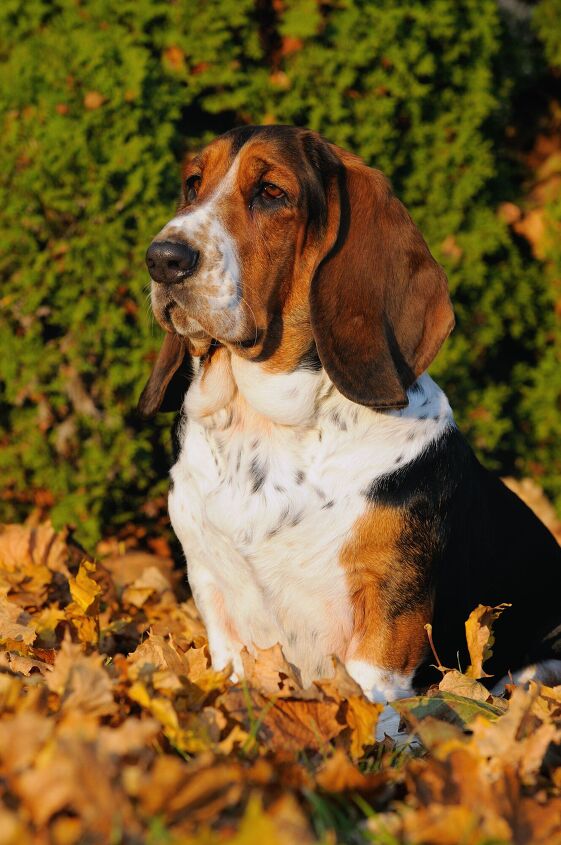
The Artois Hound is a descendant of the Bloodhound which was once known as the St. Hubert hound.
Food/Diet
As a medium- to large-sized breed, the Artois Hound should be fed a high-quality dog food formulated for dogs of his size. You might also consider an active or working breed formula, particularly if you use your dog for hunting.
Training
The Artois Hound is an intelligent breed that often responds well to training. These dogs are bred to be independent, however, so they may tend towards willfulness from time to time. The best thing you can do is maintain a firm and consistent hand in leadership and reinforce your dog’s training throughout his life. During training, keep your sessions short and sweet so your dog doesn’t get bored and always reward him appropriately. If you really want your dog to be happy, train him for hunting or some kind of dog sport to occupy his mind and use up his excess energy.
Weight
The Artois Hound is a medium- to large-sized scent hound, averaging 55 to 65 pounds. Males of the breed are larger than females, standing 21 to 23 inches tall with females being slightly smaller.
Temperament/Behavior
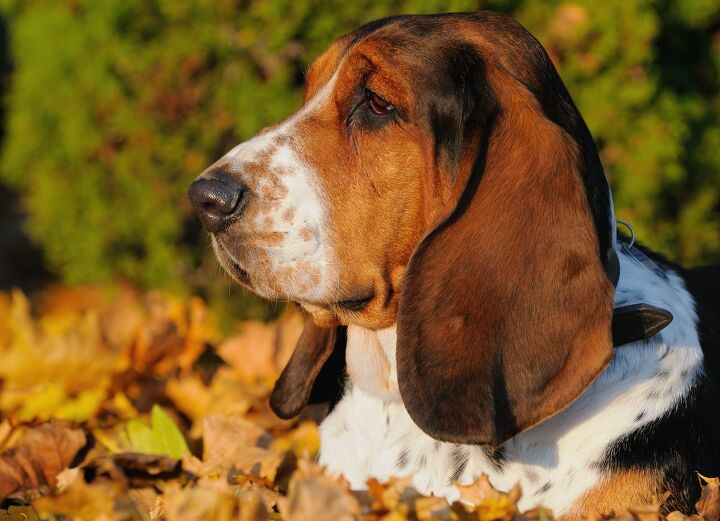
The Artois Hound can be independent at times, but he is generally very loyal and affectionate with his family. These dogs do require a lot of exercise, but they don’t typically become hyperactive in the home. This breed lives to hunt and needs just as much mental stimulation as physical exercise, so consider training him for hunting or another dog sport. Though friendly and sociable by nature, these dogs bond closely with one or two members of the family. They do get along with children, but they are likely to chase cats and other small pets.
Common Health Problems
The Artois Hound is a rare breed so there is little specific information available about inherited health problems. You must keep in mind that there is a fair bit of crossbreeding in the breed’s history, so there is always the possibility of congenital health problems. Generally speaking, however, these dogs are very healthy and they have a life expectancy of 12 to 15 years.
Life Expectancy
The average lifespan for the Artois Hound is 12 to 15 years which is on par with other breeds of his size.
Exercise Requirements
As a hunting breed, the Artois Hound has very high needs for exercise. This breed needs at least an hour of moderate to vigorous exercise each day and will appreciate having extra time to run in a fenced yard. Training your Artois Hound for hunting is an excellent form of exercise and these dogs are never happier than when they are following a scent.
Recognized Clubs
The Artois Hound is not currently accepted by the AKC or by any other breed organization other than the FCI.
Coat
The Artois Hound has the typical hound coat. It is short, thick, and lies flat against the body. It has a dark fawn tri-color pattern to it, often with a mantle or in large patches. The head is usually fawn-colored, sometimes with a black overlay, and the rest of the body exhibits any combination of tan, black, and white. These dogs shed moderately and their short coat is easy to care for.
Puppies
The average litter size for the Artois Hound is 3 to 8 puppies. Because these dogs walk the line between medium and large in terms of breed size, it may be best to feed puppies a large-breed puppy formula to make sure they don’t grow too quickly. It is also recommended that you start your puppy with socialization and training as early as possible.
Photo credit: anetapics/Shutterstock