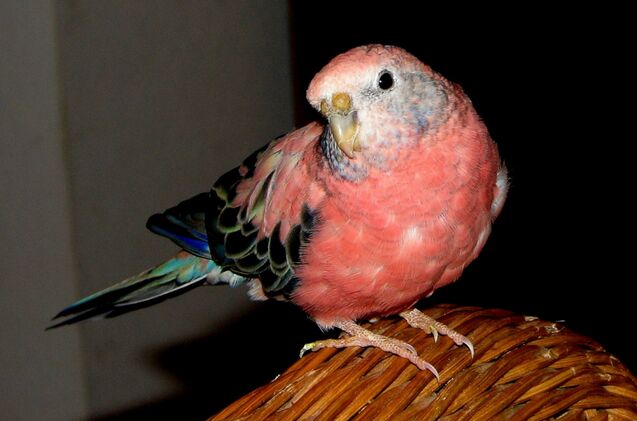
Bourke’s Parakeet General Info
These beautiful little birds are a rare breed of parakeets that are prized for their lovely looks and cuddly personality. The Bourke’s Parakeet gentle, cute looks reflect their equally temperate behavior which is perfect if you want a minimum hassle, affectionate pet bird. They are an excellent choice for beginner owners and share a lot of similarities with Budgerigars and other closely related parakeets. All in all, the Bourke’s parrot is a wonderful pet and will enrich your home with its looks and lovely personality!
Bourke’s Parakeet is rarely seen but still a very popular and loved pet. They are a great choice for single owners and beginners.
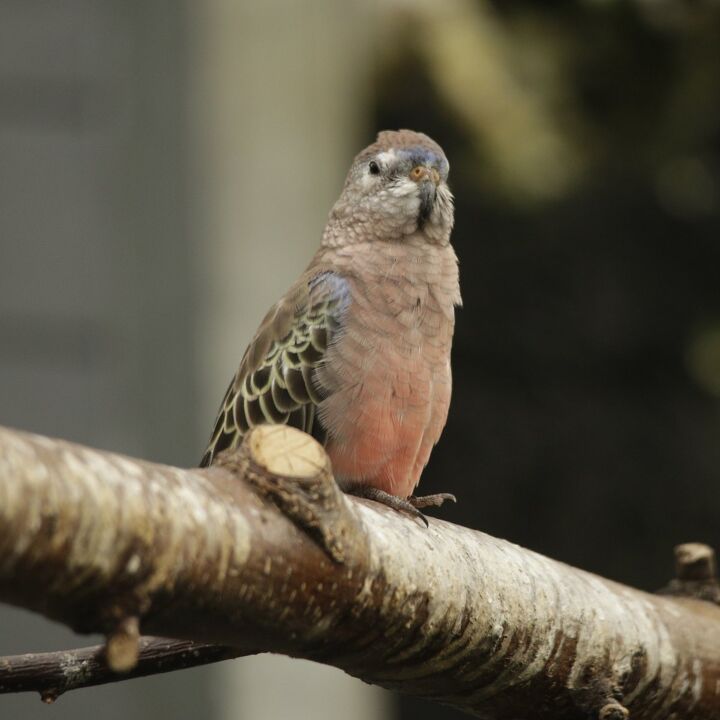
Sir Thomas Mitchell first discovered these parrots in New South Wales in 1830’s and named them after General Richard Bourke, the governor of that province. Their native habitat is found in several of Australia’s remote regions. These birds are nomadic and often change their nesting grounds. They can be seen in areas of southern Queensland, New South Wales, and Central Australia. They prefer dry and arid regions and grasslands with a sparse growth of eucalyptus, acacia, cypress and mulga trees. Although not directly a threatened species, their main dangers are the natural predators like feral cats and red foxes.
Overall Description
These small birds are full of interesting features energy that reflects their small stature. The adults reach an average length of just 7 to 9 inches (19 to 23 centimeters), with imposing tail feathers of up to 4 inches (9 centimeters) in size. Due to their small size, they have a lot of energy and really like to fly about. Provide a lot of free flying time, securing your doors and windows beforehand. Bourke’s Parakeet has a lot of similarities with other small Australian parakeets, like the distinct small beaks and zygodactylous feet. Females are slightly smaller than the males.
Speech and Sounds
Bourkies, as they are also called, are really not that noisy. This will be appreciated by owners who live in apartments or those who like quieter parrots more than the talkative breeds. They do have their unique natural calls that are quite similar to the Budgies’. These are gentle chirps and tweets that have a pleasing sound and won’t be a bother at all. They are often heard when flying – the favorite activity of Bourkies.
Colors
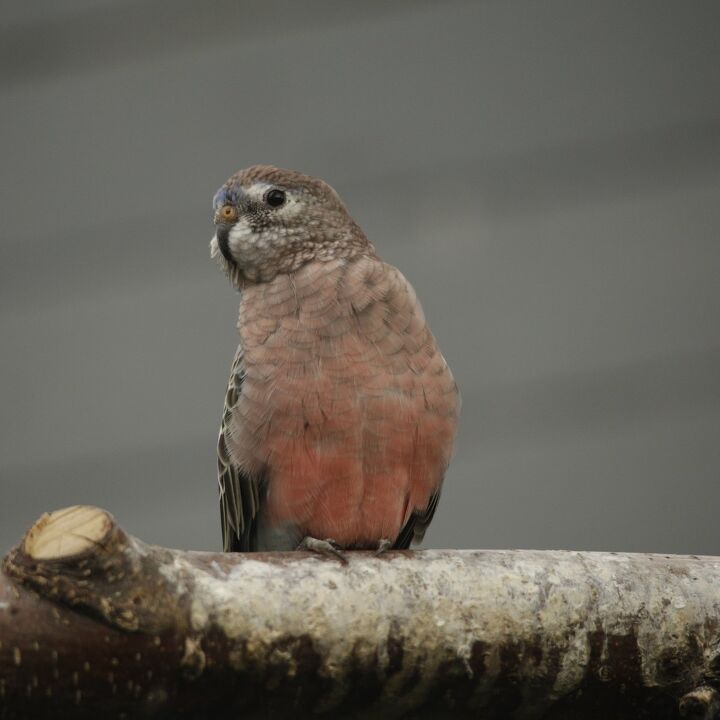
So many different, unique colors and patterns on such a tiny bird result in a beautiful look filled with details. In their natural coloration, they have a light brown back and head, with even lighter brown on the chest which gradually turns to rosy pink on the belly and legs. The rump and lower back are light blue with dark edges, while the wings are dark brown with yellow tips on the feathers and blue-tinged flight feathers. Males have a light blue band just above the beak – a feature that distinguishes them from the females. This variety of details and colors is a dazzling and pretty sight. In captivity, several new color mutations appeared. These are yellow, light rosy pink, and others.
Bourke’s Parakeet boasts many interesting details in their appearance, but they’re best known for their rosy pink plumage.
Care and Feeding
These are the so-called grass parakeets, meaning they naturally forage in tall grasses, eating a variety of seeds. If you have a Bourke’s Parakeet as a pet, you should feed them a commercial seed mix that is designed for small birds or parakeets especially. This should be supplemented with small nuts, fresh fruits, and vegetables. A cuttlebone is a recommended addition as well, for some vital calcium intake.
Health and Common Conditions
While their health is commendable, and they are quite hardy for their size, there are few major threats to look after. One of the potential issues is their size and fragility, which means that they can be easily and accidentally hurt. The other is their love of flying – they won’t hesitate to escape if you forget to close a window or the door. Always keep an eye out.
Their love of flying can lead them to escape if you’re not careful. Make sure they get a lot of space to fly freely if you want to keep them happy!
Personality & Behavior
There’s a lot to love about these cuddly little parakeets. They are temperate and docile, friendly birds who love to snuggle, play and perch on your shoulder. Bourke’s Parakeet is a perfect choice for people who prefer quieter, calmer surroundings and peaceful birds. With a bit of familiarizing, they will love to be handled and scratched, as they develop a bond with their owner. With a lifespan of 30 years and up, you’ll be developing a valuable friendship with this loveable, cute bird.
Photo credit: Jan Tick/Wikimedia Commons; Cora Unk Photo/Shutterstock