Cashmere Lop Breed History/Origin
The Cashmere Lop is a newer breed that was discovered within the nest of Dwarf Lop rabbits by Miss Turner of Wales in 1980. She realized that there was something different about a few of the kits within the nest, as some of them had thicker, longer, and more luxurious coats than the rest.
Six years later, the Cashmere Lop started gaining popularity. By the middle of the ‘90s, the breed began appearing in shows, gaining a bigger audience, and breeders started working on developing the breed so that it could get standardized.
When the National Cashmere Lop Club was founded, it recognized the breed in every color, and the breed is still popular and found in shows around the world. The Cashmere Miniature was first seen about a decade later and the breed was eventually standardized in all colors.
The Cashmere Lop Standard and the Cashmere Mini are recognized by the British Rabbit Council (BRC), but not by the American Rabbit Breeders Association (ARBA).
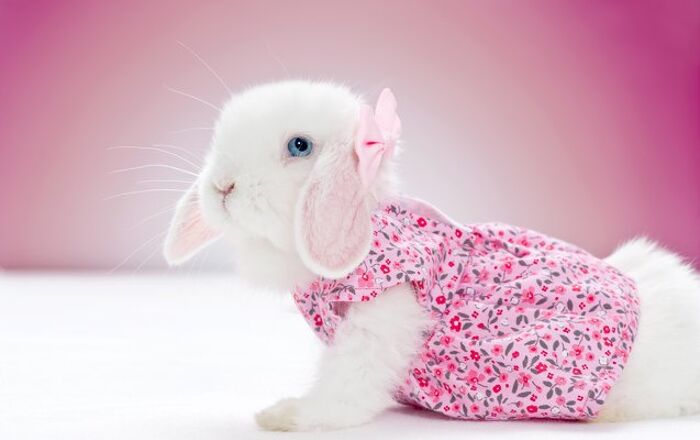
The coat of the Cashmere Lop is silky, long, and thick.
Overall Description
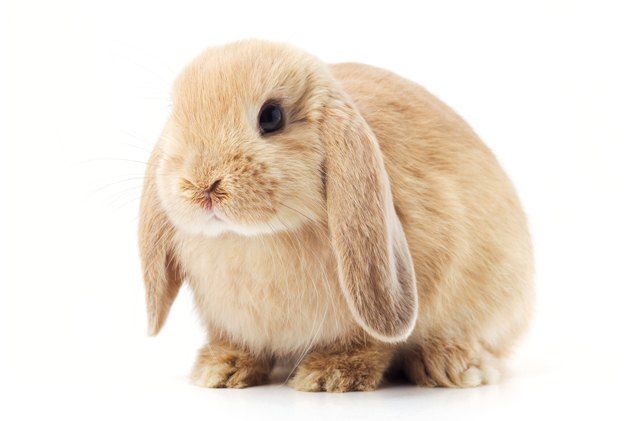
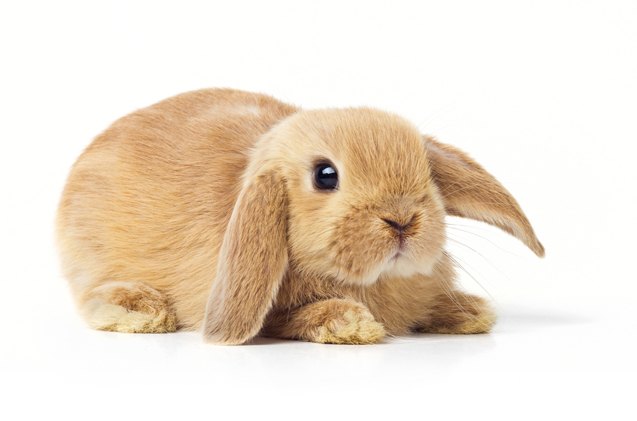
The Cashmere Lop features a compact, firm, and thickset shape. The body, which is powerful despite being small, is described as broad, well muscled, and short, and there is little neck visible. The rump is also well muscled, well rounded, and short, while the chest is deep and broad.
This rabbit’s front legs should be straight, short, and thick, while the hind legs will be powerful, strong, and short, as well as carried parallel with the body. The breed’s tail is also well furred and strong.
The head is broad, bold, and strong, and the cheeks are well developed. The ears should be well furred, long, rounded at the ends, thick, and broad, and they’re carried close to the head. The insides of the rabbit’s delicate ears shouldn’t be visible from any angle. The eyes are bright and bold and the crown is prominent across the skull.
Coat
The coat of the Cashmere Lop is silky, long, and thick. It should be about 1.5 to 2 inches in length, but it should lie beautifully on the animal’s body. This rabbit’s fur should not be woolly. The topcoat is heavier and longer than the undercoat.
Because of their unique coat, these rabbits do require more work than other breeds, especially while they’re young. Until your rabbit is roughly 5 months old, his coat will have a tendency to become matted and knotted, so regular grooming sessions will be necessary using a wire comb suitable for longhaired cats and dogs.
When grooming your Cashmere Lop, you shouldn’t comb out all of the density from the undercoat. Don’t use a comb to thin the coat out; instead, use it to gently break tangles and mats apart. Once your Cashmere Lop is an adult, you should groom him weekly, as well as trim his nails. Pluck out tangles and dead hairs to keep the coat beautiful and keep your pet comfortable.
Colors
The Cashmere Lop showcases all possible colors. These include the self colors, which are ruby-eyed white, blue-eyed white, lilac, chocolate, blue, and black, as well as the agouti colors, which are Chinchilla, lynx, cinnamon, opal, squirrel, and agouti.
Other possible colors include the tan colors, which are marten sable, fox and otters (blue, lilac, chocolate, and black), and marten smoke. You will also find these rabbits in shaded colors, including iron grey, seal point, Isabella, blue point, Siamese smoke, sooty fawn, and Siamese sable. And you will even find Cashmere Lops in any other variety of colors, such as chocolate tort, steel, orange, fawn, and butterfly.
Cashmere Lops make great family pets.
Care Requirements
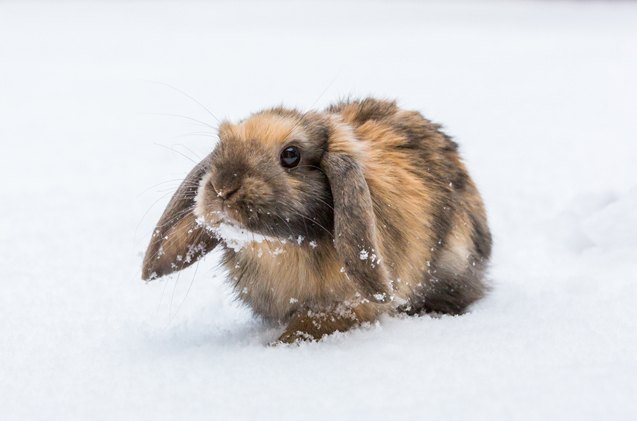
You can house your Cashmere Lop in a secure environment inside your home or apartment or in your garden. If you are going to set up an outdoor hutch, it should be waterproof and weatherproof, and it should be placed in area that is out of direct sunlight and wind. On the other hand, an indoor rabbit can be trained to use a litter tray, and he can have a crate or cage that he can use to rest in.
Your Cashmere Lop should have access to fresh, clean water at all times, and he can be fed rabbit pellets, a variety of hay, some fruit, and fibrous vegetables, such as kale, dandelions, and cabbage.
Health
The Cashmere Lop is a breed that is generally hardy. Like other breeds, this rabbit’s teeth will grow continuously, so you should provide him with foods like fibrous green veggies and hay to wear the teeth down and keep them from overgrowing.
Another common issue is flystrike, which is more likely to occur if your rabbit is overweight and can’t groom himself. You can also have your pet vaccinated against VHD and myxomatosis, and you can treat your rabbit for ticks, fleas, and worms.
Cashmere Lops are intelligent and can even learn their names.
Temperament/Behavior
Cashmere Lops and Mini Cashmere Lops are great family pets, as they get along well with adults and older children. These animals are engaging, bright, and smart. They will greet the humans that they learn to recognize, and they can even learn their names. Many enjoy being stroked and held as well. Plus, you can train your pet to use the litter tray. Overall, you can expect these rabbits to be friendly and playful.
Photo credit: korovin/Bigstock; oscity/Bigstock