Giant Schnauzer Basics
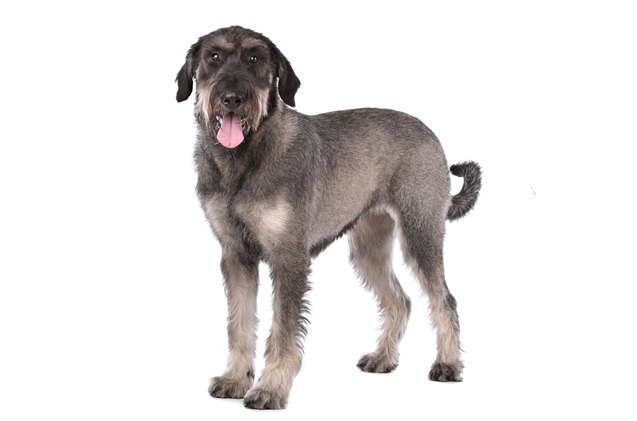
In the world of dog breeds, there is perhaps no dog with a more intimidating name than the “Giant Schnauzer.” But when you actually take a look at the breed, you find that the Giant Schnauzer is really a fairly compact dog for its size and, given enough exercise, can actually be a calm companion. That being said, there are a lot of unique things about this breed you’ll want to be aware of before you’re sure that this is the right breed for you.
Although they’re known as “giants,” this breed is simply a larger breed, and is only really a larger version of the Standard Schnauzer. These dogs don’t have to be as intimidating as they sound, but you should certainly know what you’re doing if you want to be able to acquire a dog of this breed, train it, socialize it, and help it to grow into the confident, friendly dog that it deserves to be. If you’re a good owner, you’ll probably find that the Giant Schnauzer is perfectly capable of being a good dog in return.
Like all Schnauzers, it’s no surprise that the Giant Schnauzer hails from Germany as the country of its origin.
Origin
Like all Schnauzers, it’s no surprise that the Giant Schnauzer hails from Germany as the country of its origin. Specifically, the Giant Schnauzer comes from the Bavarian areas of Germany, making it a true German country dog and one that has been bred and well-suited for an outdoor lifestyle. The Giant Schnauzer rose to prominence at the dawning of the 20th century, giving it a similar timeline to many of the more popular German breeds of today, including the German Shepherd. Closely related, of course, to the Standard Schnauzer, the Giant Schnauzer also comes from a lineage that includes German Pinschers.
Known as the Riesenschnauzer in Germany – a simple translation of “Giant Schnauzer” or “the giant” – the origins of the Giant Schnauzer’s habits come from herding and driving cattle in Bavaria. The Giant Schnauzer also has a history of being used as a guard and police dog, as did many hearty breeds in the same area and relatively same historical timeline as that of the Giant Schnauzer.
Pedigree
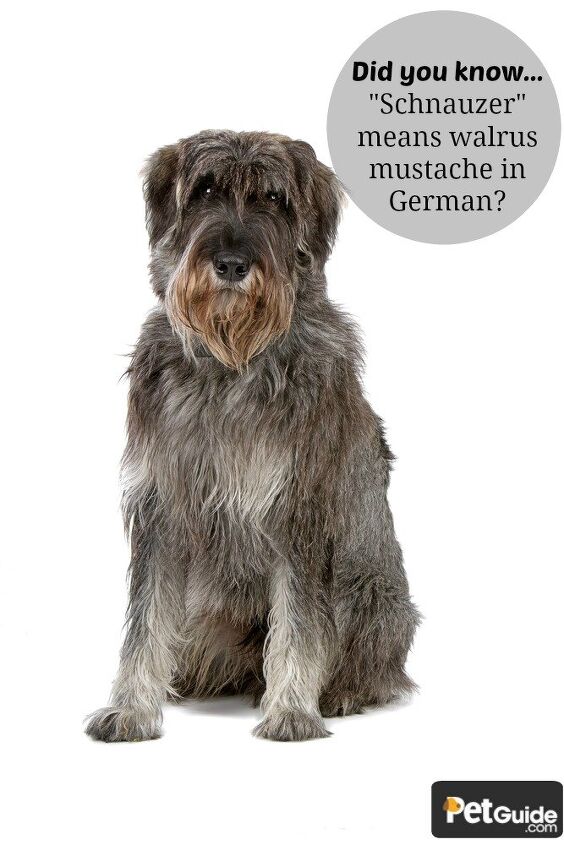
The Giant Schnauzer is not the first Schnauzer – it was bred from a pedigree that included the Standard Schnauzer, making it an offshoot of the standard. In order to create a larger size, the Giant Schnauzer also comes from the stock of dogs like the Great Dane, giving it a noble heritage combined with an upbringing in German farmland. The Giant Schnauzer certainly lives up to this pedigree in its confidence and its work ethic, as well as its high capacity for exercise.
It’s also worth noting that there is a relation between the Giant Schnauzer and the German Pinscher, as the Pinscher had been considered closely related to the Standard Schnauzer as well.
Food / Diet
The Giant Schnauzer has a high tolerance for exercise, and when you combine this for a larger frame, this can mean a heavier diet is required than that of other dogs. In relation to other dogs, the Giant Schnauzer will be able to eat a lot without putting on weight, provided that its exercise regimen is hearty and habitual.
If a Giant Schnauzer has been properly trained, it can have a very endearing personality and can even be known as a very playful breed.
Training
Giant Schnauzers require good training to grow up properly socialized. They are outdoor dogs that need a lot of exercise, so exercise should be included in their training. These dogs need to be raised to understand that other dogs are not a threat and that strangers are not, either. Displaying your status as a pack leader in your dog’s perceived tribe is very important with these dogs, as they can quickly believe that they are the pack leaders without the presence of someone with more discipline than them.
If a Giant Schnauzer has been properly trained, it can have a very endearing personality and can even be known as a very playful breed.
Weight
Weighing around 55-80 pounds, with males falling on the heavier end and females on the lighter end, this is certainly not a dog you’ll want to “tango” with, to say the least. Remember that these dogs have a good capacity for exercise and it will be important that they maintain this weight throughout their lives.
Temperament / Behavior
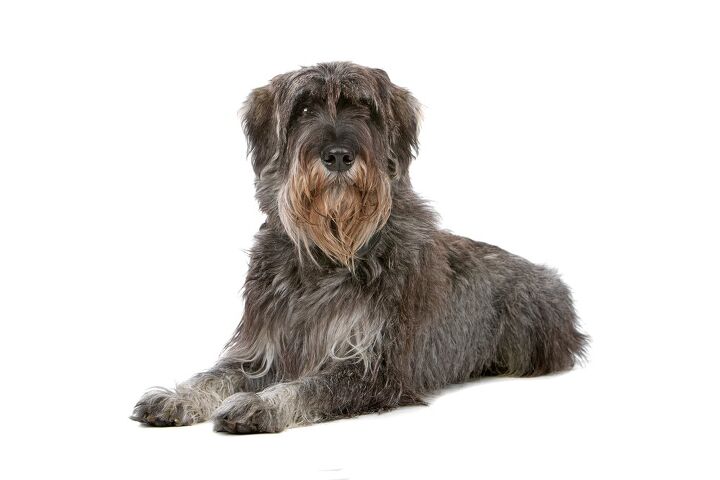
There can be a certain amount of variance in the temperament in the Giant Schnauzer depending on its training, although this is typical of many breeds. The Giant Schnauzer needs to be properly socialized and raised with good discipline if its playful, friendly personality is to be realized. They have a strong guarding instinct, as well.
It’s important that you understand that the Giant Schnauzer is not a great city dog, and is more suited for farm, rural, and country life.
Common Health Problems
These dogs are more prone to cancer than many other breeds, so that will be a concern you’ll want to address in your regular visits with the veterinarian.
Life Expectancy
Expect your Giant Schnauzer to live about 12-15 years, a good amount of time for a dog of its size.
Exercise Requirements
Very high: this is a good dog if you like to exercise and have plenty of space in which to do it. They should be exercised to tire them out so that their calmer personality comes to the forefront.
The Giant Schnauzer is not a great city dog, and is more suited for farm, rural, and country life.
AKC
Says the American Kennel Club of this breed: “An active and spirited dog, his sound, reliable temperament, rugged build, and dense weather-resistant wiry coat make him one of the most useful, powerful, and enduring working breeds.”
Coat
The Giant Schnauzer has a weather-resistant coat, making this dog suitable for rainy climates and winters.
Puppies
These dogs should be properly trained and raised from the puppy age so that they grow to view people and other dogs not as threats, but as potential friends. Good discipline will be important throughout a Giant Schnauzer’s life.
Photo credit: Erik Lam/Shutterstock