How to Transition Your Cat to New Food

Published A Few Days Ago
ADVERTISEMENT
fast facts

DisableScript
viglink
ADVERTISEMENT

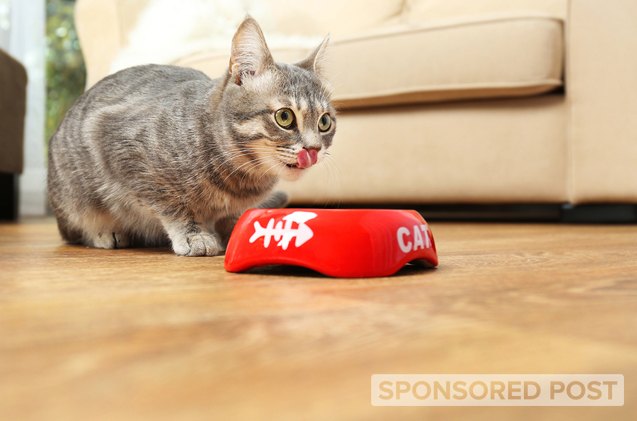
Cats are known as being picky eaters. If you want to switch your feline to a new food, we’ve got some tricks to get picky cats to convert.

Upgrading your kitty’s diet is a great way to ensure she’s getting all of the nutrition she needs to both look and feel great. And as more pet parents become informed about the ingredients found in commercial pet foods, they want higher quality wet and dry meals for their beloved furry companions.

If you’re ready to transition your cat to a new diet, just beware that doing so could lead to digestive upset, so taking things slowly is the key. In this way, your kitty’s body can adjust to the new food without symptoms like diarrhea getting in the way.

Here’s what you need to know to make the switch:

Transition over the Course of 7-10 Days

A good tip to follow is to transition your kitty from her old diet to her new diet gradually over the course of about 7 to 10 days. Mixing the two foods gradually will give your cat a taste of the new food without shocking her system.

Begin with a mix of 25% of your cat’s new food and 75% of her old diet. Feed this for about two to three days. Slowly, increase the amount of new food so that you have a 50/50 mix for your cat to enjoy. After two to three days of half and half, you can move on to a mix of 75% of the new food and 25% of the old diet. Keep that up for another 2 or 3 days before you switch over to 100% of the new food.

Digestive problems like constipation, diarrhea, vomiting, or gas could occur at any point during this transition. If that happens, just slow down on the time between mixes to give your kitty more time to adjust to the new food – instead of two to three days per mixes, stretch it out to four to six days. Remember, every pet is different. But if problems persist, it’s a good idea to contact your veterinarian.

Trick a Picky Kitty

Cats are creatures of habit, so dealing with a picky kitty is common. They like what they like and they aren’t big fans of change, especially when it comes to their diet. But there are things that you can do to entice your pet to eat a new food:

    New and Improved Wellness Options

    Are you ready to feed your pet a higher quality canned or dry food? Wellness is renovating and re-launching their existing dry and wet food lines for felines, making them better than ever.

    Here’s what your cat is in for:

    • carrageenan-free, and free of meat byproducts, fillers, and artificial flavors

    With Wellness’s new, healthier cat food, you’ll likely find her begging for more. The key is to get her there gradually, and maybe even being a little clever when it comes to convincing her that a new food will be better than her old one. And once she gets a taste of Wellness’s new and improved line, she’ll definitely become a feline foodie!
    ADVERTISEMENT

    ADVERTISEMENT

    You May Like

    Gerberian Shepsky

    The Gerberian Shepsky (a hybrid breed) is often employed as a service/police dog, thanks to his alert nature, high intelligence and working dog background

    Meet the All New, AI-Powered Furbo Treat-Tossing Pet Camera

    Furbo Treat-Tossing Pet Camera launches a new, improved model, with an upgraded camera, dog recognition technology, and Smart Alerts.

    How We Can Do Better: Try Compassion, Not Verbal Abuse When Educating

    Sarah Palin’s now-famous photograph shouldn’t be used as a political platform, but as a chance to respectfully educate and openly communicate abo…

    Small Münsterländer

    Known as the Kleiner Mnsterlnder, the Small Mnsterlnder looks like a smaller version of the versatile hunting breed known as the Large Mnsterlnder.

    DIY Doggy Kissing Booth

    This Valentine''s Day, get in the mood with a Kissing Booth that''s perfect for caring canines. Make a Doggy Kissing Booth that''ll get tongues wagging!

    American Bullnese

    The American Bullnese is a mix of breeds, predominately the English Bulldog and the Pekingese. They are short, stocky little clowns who love snuggling.

    Hahn’s Macaw

    Meet the Hahns Macaw. These adorable birds are the smallest, most talkative of all macaw parrots, and are cute and goofy pet birds.

    Study: When It Comes To Sniffing Out Lies, You Can’t Get Fool A Dog

    Even the best poker face won’t work on your dog – a new study shows that dogs can tell if you’re untrustworthy. While we may feel like the…

    Skye Terrier

    With a long, flowing coat, people tend to underestimate the feistiness of the Skye Terrier. They are happy living in apartments, condos, homes or estates.

    Chesa-Poo

    The Chesa-Poo brings together the playful personality of the Poodle and the gentle nature of the Chesapeake Bay Retriever.

    Jumping Dog On TV Makes Pooch Hopping Mad

    Hey, what’s the big idea? Coming onto my TV and jumping up like that? Do you think you can come in here and out jump me? I don’t think so! In fac…

    Cheetoh

    The Cheetoh is a product of the Ocicat and the Bengal cats. This fun-loving kitty enjoys playing, running, and jumping through every room in your house.

    Braque D’Auvergne

    The Braque dAuvergne is a pointing breed and a versatile gundog that also makes a great family pet. This working breed needs plenty of daily exercise.

    Razorback Musk Turtle

    The Razorback Musk Turtle is the biggest type of Musk Turtle. The Razorback Musk Turtle is shy, and might even be the shyest of all of the Musk Turtles.

    Understanding Canine Parovirus

    Knowing all the important details about Canine Parovirus can help you diagnose, seek treatment and prevent this deadly illness from affecting your dog.