Polish Lowland Sheepdog Basics
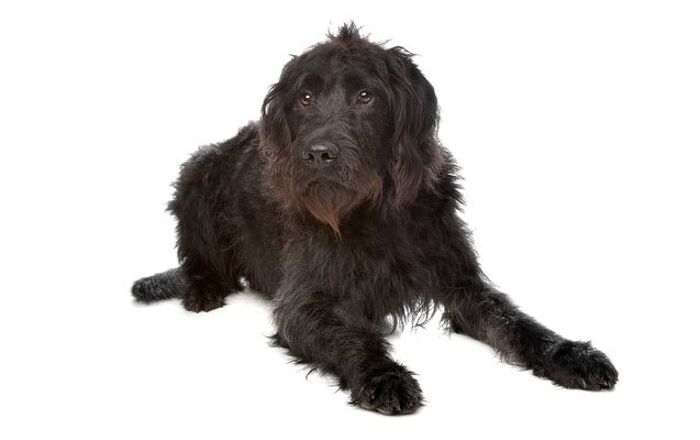
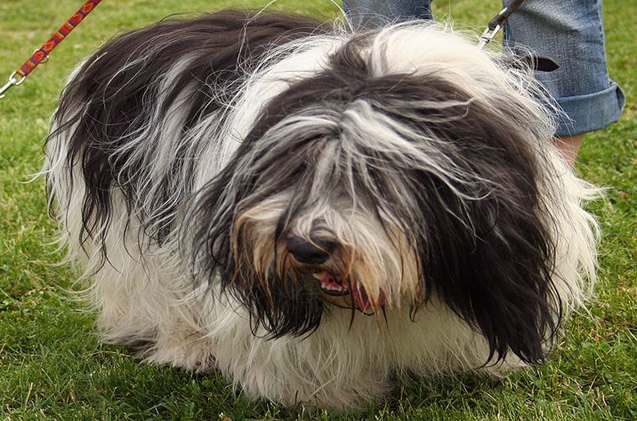
The Polski Owczarek Nizinny (pronounced Pol-skee Ov-cha-rek Nee-zhee-nee) or Polish Lowland Sheepdog is the shaggy herder of Poland. Also referred to commonly as the PON in the United States, this breed is native to Poland and was bred as a specialist sheep herder.
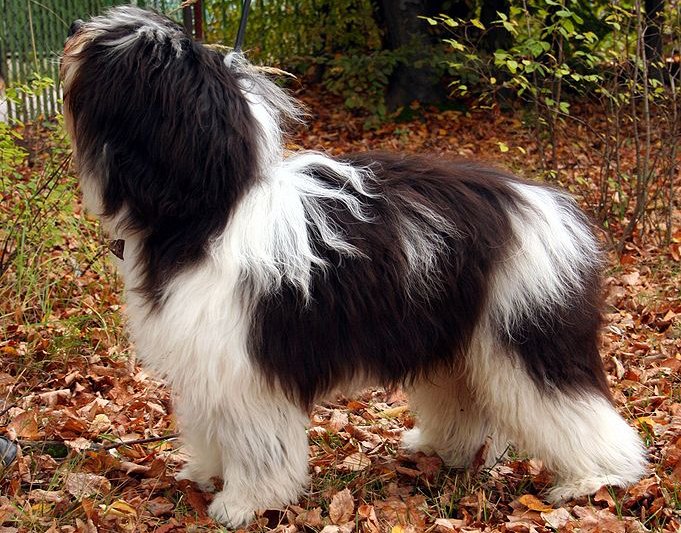
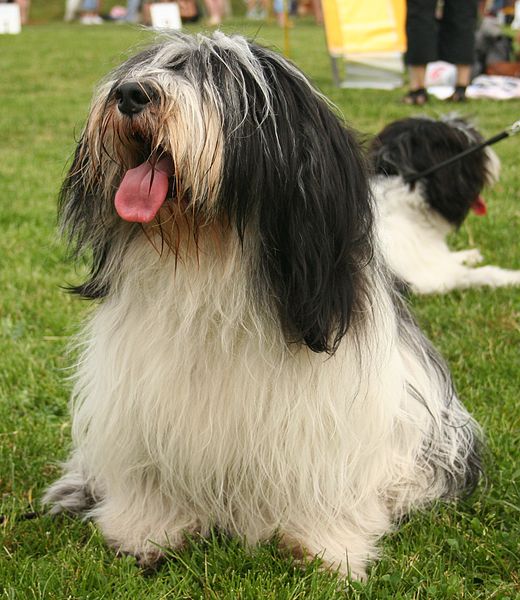
The PON is a medium sized dog and has a square shaped and well-muscled body. Its body is covered in a wavy overcoat and a soft undercoat. The coat can come in a wide array of colors but white, brown and grey are the most common, and often appear with black, grey or brown markings. The PON’s head and withers are often covered in an abundance of hair, which makes the head seem much larger than it really is. The breed has a naturally short tail and some owners opt to dock the tail at puppyhood.
The PON is an extremely intelligent dog and has an excellent memory. However, it is also a very self-assured and confident breed and requires a firm hand. In the care of the right owner and under proper leadership, a PON can make an excellent companion or working dog.
The Polski Owczarek Nizinny or Polish Lowland Sheepdog is the shaggy herder of Poland.
Origin
The history of the PON in Poland dates back to the early thirteenth century. It is believed that the breed originated primarily from the coated working dogs that arrived in Europe from Central Asia.
In 1514, a Polish merchant is said to have traded a shipment of grain for sheep in Scotland and brought six PONs to help herd his livestock. The story goes that a certain Scottish shepherd was so impressed with the dog’s temperament and herding abilities that he traded a ram and two ewes for three PONS. These dogs were then bred with local breeds to produce Scottish herding dogs like the Bearded Collie.
The breed was almost driven to extinction in the aftermath of World War II, but was revived mainly thanks to the efforts of the Polish breeder Dr. Danuta Hryniewicz and her PON Smok. Smok was considered by Dr. Hryniewicz as the epitome of the breed in terms of physique and temperament and sired the first ten litters of PONS. He is often revered as the father of the modern Polish Lowland Sheepdog.
Pedigree
It is believed that the PON’s pedigree consists of bloodlines from various Central Asian herding dogs like the Tibetan Terrier and Lhasa Apso.
Food/Diet
PONs require a low protein diet and should be fed controlled servings as they often tend to over-eat.
PONs have excellent memories and are a highly intelligent breed of dog.
Training
PONs have excellent memories and are a highly intelligent breed of dog. Therefore they respond extremely well to fair and consistent obedience training techniques. However, this breed is naturally very self-assured and confident and can assume leadership over the owner if it senses that its handler is meek or weak.
Weight
A medium-sized dog, a Polish Lowland Sheepdog male can weigh between 40 to 50 pounds.
Temperament and Behavior
In the hands of the right owner, a Polish Lowland Sheepdog is obedient and affectionate and makes for an excellent companion or working dog. However, if this dog senses that its owner is not in control of its “pack” it can often try to assume leadership which can in turn result in various behavioral issues. Therefore it is important that PON owners establish early on that they are the leader of the pack and remain consistent in their leadership.
Bred to be herding dogs, PONs have strong protective instincts and can be extremely vary of strangers. They will often alert its owners to the presence of strangers with loud barking. They are also a brave breed and will not back down when challenged. These qualities make the PON an excellent guard dog.
The PONs herding instincts can sometimes become a problem if not kept in check as they sometimes develop tendencies to nip at their owners’ feet. This sort of undesired behavior should be corrected early on.
PONs get along excellently well with children and should ideally be socialized with children and other pets early on in life.
Common Health Problems
PONs are an extremely healthy breed and have very few known health issues. Breeders often screen for dogs with hip dysplasia and progressive retinal atrophy before breeding.
Life Expectancy
A healthy Polish Lowland Sheepdog can have a life expectancy of up to 12 years.
Exercise Requirements
PONs are a working breed and require at least an hour of daily exercise. When not provided with sufficient physical exercise and mental stimulation, they can often turn moody and destructive. They are often at their happiest when they have a ‘meaningful’ task to work at each day. PONs are often entered in dog agility trials, obedience, showmanship, flyball, tracking and herding events.
In the hands of the right owner, a PON is obedient and affectionate and makes for an excellent companion or working dog.
Recognized Clubs
The Polish Lowland Sheepdog was first recognized by the American Kennel Club in 2001.
The club has this to say about the breed:
“Developed in Poland, the Polish Lowland Sheepdog is better known by his native name: Polski Owczarek Nizinny, or “PON,” as he’s called in the United States. Popular in his home country (they are even featured on stamps!), PONS are intelligent, spirited working dogs that fearlessly protect their flocks from any predators. The breed’s long, shaggy coat hangs over his eyes and can be many colors, including white with black, gray or sandy patches; gray with white; or chocolate.”
Coat
The PON’s overcoat is rough and wavy and its undercoat is soft and thick. These dogs do not shed much an make good pets for dog owners that suffer from mild allergies. Their coats need to be brushed at least once a day to prevent matting.
Puppies
As with most other intelligent working breeds, PON puppies should be socialized with other humans and animals early on in life. Their training should start as early.
Photo credit: Pleple2000/Wikipedia