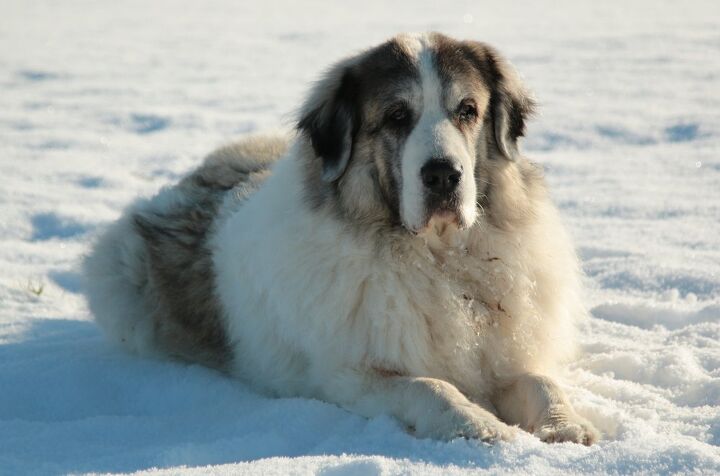
Pyrenean Mastiff Basics
A big, fluffy dog with a calm and even temperament, the Pyrenean Mastiff is a super-sized softie. This breed has a thick double coat and a strong body but it is still docile and well-behaved in the home – he even gets along well with children. Throughout history, they have been used as guardians, but that’s only owing to their imposing stature- these gentle giants don’t have a strong prey drive and will protect their fellow furry roommates. A knight in furry armor, in a way!
Even though this breed traces its origin to ancient Molosser dogs, until recently it was fairly rare outside its place of origin, so the Pyrenean Mastiff doesn’t suffer from heavy inbreeding common for some purebred lines. As a result, you can count on these dogs to be quite healthy as a breed- especially considering their massive size.
Although smart, these dogs can have a bit of a self-reliant side and can sometimes be difficult to manage. That’s why the Pyrenean Mastiff is better suited for experienced owners who know how to assert themselves as a pack leader- and get a worthy canine companion in the process.
A big, fluffy dog with a calm and even temperament, the Pyrenean Mastiff is a super-sized softie.
Origin
The Pyrenean Mastiff originated in the Aragonese Pyrenees region of Spain and experts believe the breed descends from an ancient livestock guardian-type dog. This is a mountain breed, known for its size and protective instincts which make it such an effective livestock guardian.
Little is known about the exact origins or history of the breed but the earliest documentation comes from the Club de Mastin del Pirineo de Espana in 1977. It was only recently that the Pyrenean Mastiff was taken out of its native region and transported to other countries, like the USA. It is not yet recognized by the AKC, but it was recognized by the FCI in 1982.
Pedigree
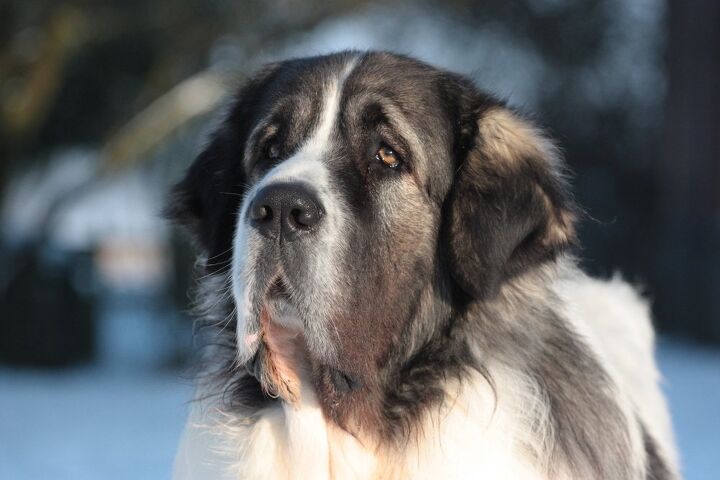
The exact origins of the Pyrenean Mastiff are unknown, but it is thought to have descended from an ancient livestock guardian-type dog.
Food/Diet
Before getting a dog of this size, you should be aware that they need a lot of food to stay full and healthy. The exact daily amounts of food will vary, but 10 to 14 cups is an average. A Pyrenean Mastiff will need 40 to 80 lbs of dog food in a month. Most pet owners decide on high-quality dry food for dogs, as it offers complete nutrition and it is readily available. But, it has to be premium kibble made from high-grade ingredients, as cheap foods full of fillers will leave your Pyrenean Mastiff feeling hungry and even damage their health in the long run.
Because the Pyrenean Mastiff is a big dog you should feed him a dog food diet that is specially formulated for larger breeds. Additionally, you should pay attention that their kibble is age appropriate- puppies, seniors, and adult dogs have very different dietary needs. It is especially important that you feed him a large-breed puppy formula until he is 18 to 24 months old to prevent him from growing too quickly. Otherwise, they could develop serious issues with joints and bones. To prevent bloating and overeating, split their daily dose of kibble into two or more meals.
This breed is intelligent and was developed as a livestock guardian so it can be fairly self-reliant and independent at times.
Training
As a large-breed dog, the Pyrenean Mastiff can be difficult to manage at times. This breed is intelligent and was developed as a livestock guardian so it can be fairly self-reliant and independent at times. This being the case, the Pyrenean Mastiff requires a firm and consistent hand in training and socialization should be started from an early age. You shouldn’t be harsh to them, though- aversive methods of training are counterproductive and can even lead to behavior issues instead of preventing them. Positive reinforcement method of training works best with the Pyrenean Mastiff. Using treats and praise as motivation will make sure you get your new giant furball to see things your way: much faster than you’d expect.
Even with training and socialization, however, this breed will always be a little wary around strangers and the dog will not hesitate to protect its family if it senses a threat. They are not aggressive, though: they would have to be seriously provoked to react in any way. But, still, to make sure their temperament stays wonderful, expose them to children, other pets and strangers from their puppyhood.
Weight
The Pyrenean Mastiff is an extra-large breed of dog with females standing up to 28 inches tall and males growing to 30 inches or more. Males of the breed grow to an average around 180 pounds, though they have been known to grow up to 220 pounds.
Temperament/Behavior
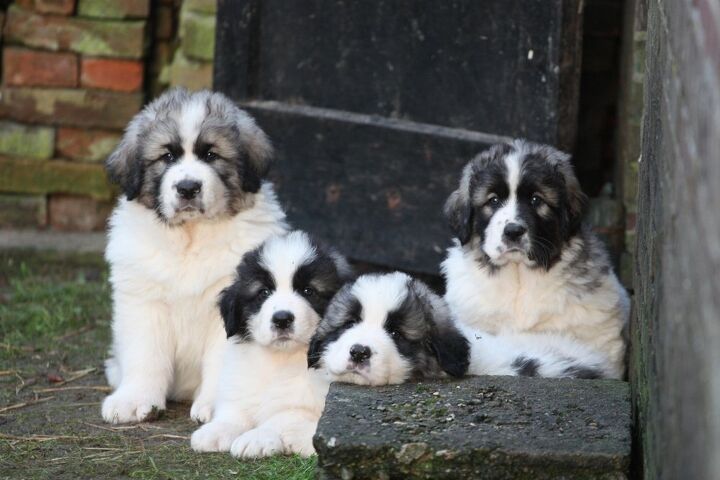
For as large as the Pyrenean Mastiff is, it is a surprisingly calm and gentle breed. The Pyrenean Mastiff was bred to be a livestock guardian so it retains a lot of its protective instincts – this breed will not hesitate to stick up for its family. The Pyrenean Mastiff is even-tempered and gentle at home, often getting along well with children. You should be careful with this dog around small children, however, because of its large size. The Pyrenean Mastiff is generally not aggressive with people but it can be a little wary around strangers. Early training and socialization is needed to help this dog develop the confidence for which the breed is known.
Common Health Problems
Little is known about the health problems to which the Pyrenean Mastiff is prone, but some guesses can be made simply due to its size. Large-breed dogs are often more susceptible to musculoskeletal problems like hip dysplasia and elbow dysplasia – they are also at a higher risk for gastric dilation volvulus (or bloat).
Life Expectancy
The average lifespan for the Pyrenean Mastiff is fairly long for a dog of its size, around 12 to 14 years.
Exercise Requirements
The Pyrenean Mastiff is not an overly active breed, but it was bred to work so it does best when it is trained to perform a job or task. As a pet, this gentle giant will need daily physical activity and mental stimulation to stay happy and fit. Count on taking him on a couple of long daily walks, as well as providing playtime in a securely fenced backyard.
Naturally, these dogs are not well suited to life in condos and apartment buildings- despite their calm nature and moderate exercise needs, they do need a lot of space to feel happy.
For as large as the Pyrenean Mastiff is, it is a surprisingly calm and gentle breed.
Recognized Clubs
The Pyrenean Mastiff is not yet recognized by the American Kennel Club but it has been admitted into the Foundation Stock Service. Once registration numbers are high enough, the breed will be officially recognized and admitted into a group for show.
But, even now, the AKC can appreciate the many qualities these dogs have. The canine club says that: “The Pyrenean Mastiff is friendly towards humans, calm, noble and very intelligent. (…) They love children and welcome friends and family, and only feel the need to protect when its a real threat.”
Coat
The Pyrenean Mastiff has a fairly long double coat that sheds regularly. To keep matting and tangles under control (as well as shedding), you should brush this dog several times a week. The coat is heavy and primarily white in color with large, dark spots typically in black, gray, or shades of brown and tan.
Puppies
Because the Pyrenean Mastiff is such a large breed, puppies may take 18 to 24 months to become fully grown. This being the case, you need to keep them on a dog food diet formulated for large-breed puppies to make sure they do not grow too quickly. This breed should be started with training and socialization from a young age to make sure that it turns into a well-adjusted and friendly adult dog.
Photo credit: AnjavdR/Shutterstock