Russian Toy Basics
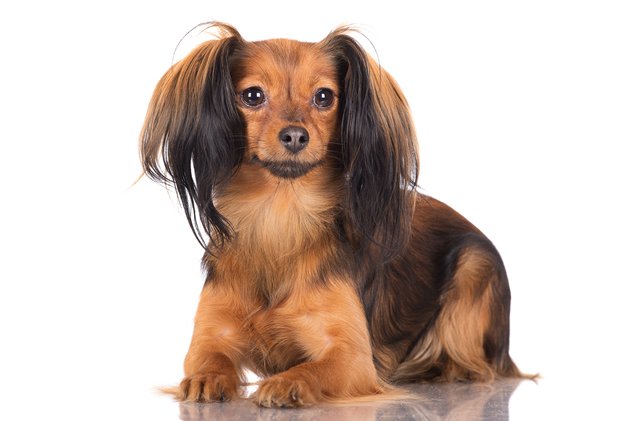
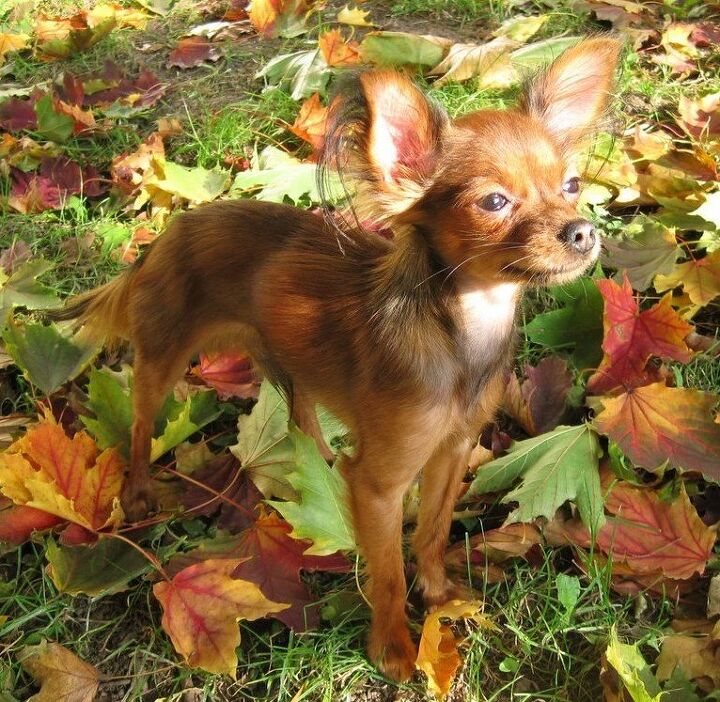
At first glance, the Russian Toy (also known as the Russkiy Toy) looks a lot like a Chihuahua with large, well-furred ears. This toy breed is actually of Russian descent, though its appearance is similar to the signature Mexican toy breed. What makes the Russian Toy unique is its petite stature and its large, triangular ears – it also has a long, curved tail that resembles a sickle.
The Russian Toy is one of the smallest dog breeds in the world.
Origin
The Russian Toy is one of the smallest dog breeds in the world and though it may look like the Mexican Chihuahua breed it is actually of Russian descent. The Russian Toy was developed from the English Toy Terrier, also known as the Manchester Terrier. During the early years of the breed, the Russian Toy was a cherished companion dog among Russian nobility – even Russian Emperor Peter the Great had one. English toy terriers were present in Russia as early as the 1700s, though the most generally accepted first reference to the Russkiy Toy breed comes from a dog show in St. Petersburg in 1874. Until 1988, several varieties of toy terriers were known by the Russian Toy Terrier name until the breed was accepted by the FCI in 2006 and the word “terrier” was dropped from the name.
Pedigree
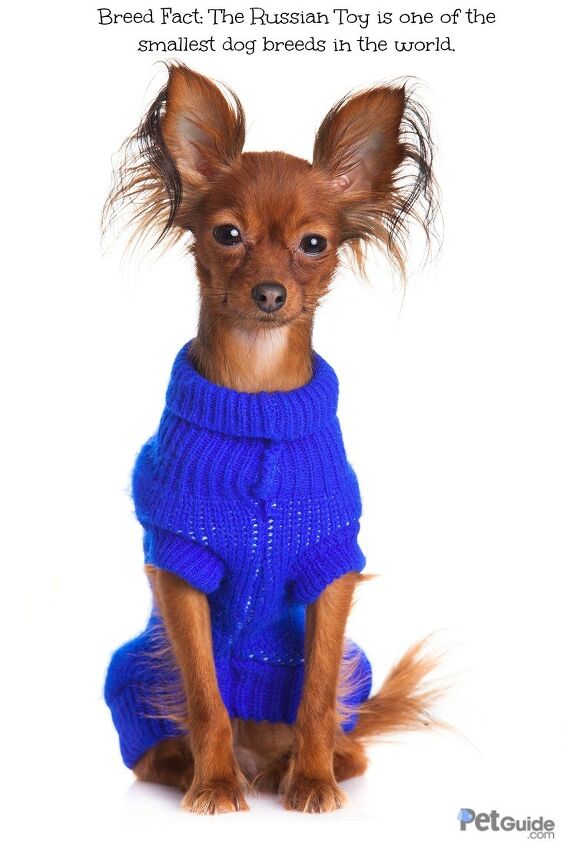
The Russian Toy was developed from the English Toy Terrier in Russia – the breed which is today known as the Manchester Terrier.
Food/Diet
As a small-breed dog, the Russkiy Toy has fairly high energy needs because it has a fast metabolism. This being the case, you should offer your dog a food diet specially formulated for small- or toy-breed dogs.
The Russian Toy is a smart breed which makes him fairly easy to train.
Training
The Russian Toy is a smart breed which makes him fairly easy to train. Like many smaller breeds however, the Russkiy Toy is prone to developing Small Dog Syndrome if you do not maintain the proper authority. Positive reinforcement training methods are recommended and you need to maintain a firm and consistent hand in training. With proper training and socialization, the Russkiy Toy can become a loyal and devoted companion – it also does well as a family pet.
Weight
The Russian Toy is one of the smallest dog breeds in the world, standing just 8 to 10 inches tall and weighing 1 to 3 pounds at maturity.
Temperament/Behavior
The Russkiy Toy is a friendly and energetic breed that bonds closely with its human companions. This breed was developed partially as a watch dog so you should expect it to be fairly vocal, especially when strangers come to the house. Russian Toys can get along with children when they are raised together, though they may not be a good choice for young children who do not understand how to handle a small dog with care. Early socialization is very important for this breed to prevent it from developing problem behaviors and aggression toward other dogs. The Russkiy Toy is often said to have the personality of a much larger dog stuffed into its small body and it certainly is a breed with a unique temperament.
Common Health Problems
The Russian Toy is a fairly healthy breed, though it is prone to several musculoskeletal issues including patellar luxation and bone fractures. He may also need the help of a vet to remove puppy teeth in order to make room for permanent teeth to grow in.
Life Expectancy
The average lifespan for the Russian Toy breed is between 12 and 14 years.
Exercise Requirements
The Russian Toy may be small but it is a fairly active breed that requires plenty of daily exercise. This breed was developed as both a watch dog and a rat dog so it may be prone to chasing small animals.
The Russian Toy exhibits two different coat types – the long coat and the smooth coat.
Recognized Clubs
The Russian Toy was admitted into the Foundation Stock Service for the AKC in 2008 – it is still part of this group today. This breed is allowed to compete only in AKC companion events, though it is also eligible for a Certificate of Merit Points at FSS Open shows.
Coat
The Russian Toy exhibits two different coat types – the long coat and the smooth coat. The long-coated variety has a long coat with profuse feathering evident on the legs, ears, and tail. The smooth-coated variety has a short, close-lying coat. The Russkiy Toy exhibits four main colors – black and tan, brown and tan, blue and tan, and solid red in various shades.
Puppies
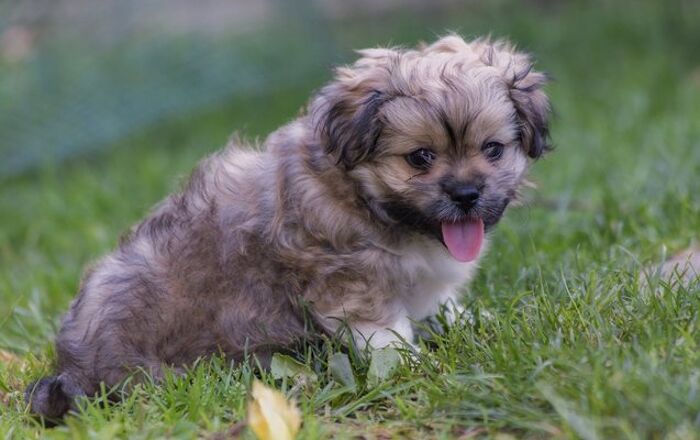
It is possible for Russian Toys to produce both long- and smooth-coated puppies in the same litter and there may even be long-coated puppies in a litter bred from two smooth-coated dogs. The Russian Toy is a small toy breed so puppies do not take long to reach their adult size. As is true for many small breeds, the Russian Toy has a tendency to become willful and independent if not properly disciplined so it is recommended that you start training and socialization as early as possible.
Photo credit: ots-photo/Bigstock; E.W./Bigstock