Part of getting older is slowing down. The same goes for our felines. Take control of your senior cat health problems by keeping her active.
As your cat gets older, the type of care you provide may need to change, especially if she’s been diagnosed with a chronic condition. When it comes to senior cat health problems, the best thing to do is keep her comfortable and active. Remember, though, that every cat is unique, so discuss what’s best for your pet with your vet if you have questions regarding any senior cat health problems that can be aided by the right nutrition and exercise.
Keeping a Senior Cat Physically and Mentally Active
While your cat may have loved running around the house and jumping high into the air to snatch a toy when he was younger, that type of play may no longer be appropriate. But just because your cat has become less active and has slowed down doesn’t mean that she doesn’t need to get at least a little bit of exercise regularly.
Related:How Feline Behavior Can Change With Age
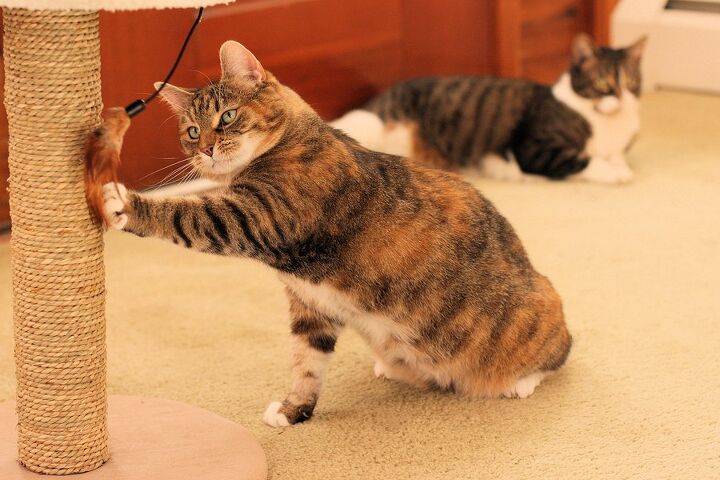
The key is to provide gentle play sessions to maintain a healthy level of activity that promotes happiness and health. Go ahead and encourage your cat to play for a couple of minutes at a time throughout the day. Pouncing on a stuffed mouse that’s been filled with catnip or grabbing a feather on the end of a wand you’re holding are just a couple of ways that your senior cat can maintain strong reflexes, joints, and muscles.
Senior cats also need to keep their minds stimulated. When it comes to keeping your cat mentally active, try puzzle toys, such as food puzzle toys that reward her efforts with treats. Kitty TV and being able to sit at a window to watch the world outside can also prevent boredom while keeping his mind active.
Maintaining a Healthy Weight
As your cat gets older and less active, it might become easier for her to pack on extra pounds. This, in turn, may put increasing amounts of pressure on his joints. Being overweight may also make various internal systems less efficient and weaker, putting your kitty at risk for other illnesses.
Related:6 Gratifying Reasons To Adopt A Senior Cat
Senior cat food formulas with highly digestible nutrients are available to meet your cat’s nutritional needs. But to prevent weight gain, it isn’t only about the food that you’re feeding; it’s also about how much you’re feeding. Avoid free feeding, and determine the right portions to provide several times a day by discussing your cat’s particular needs with your vet. These steps will help your cat remain at the ideal weight.
Nutrition for Chronic Conditions
In addition to feeding your senior cat a nutritious diet that will help her maintain a healthy weight, your vet may also recommend specific foods if your cat suffers from a chronic condition.
You may be able to find a food that’s already formulated to meet your cat’s needs, or your vet may recommend supplements, as a couple of examples. The key is to provide the right nutrients to your cat in order to bring balance back to her body.
Grooming Your Senior Cat
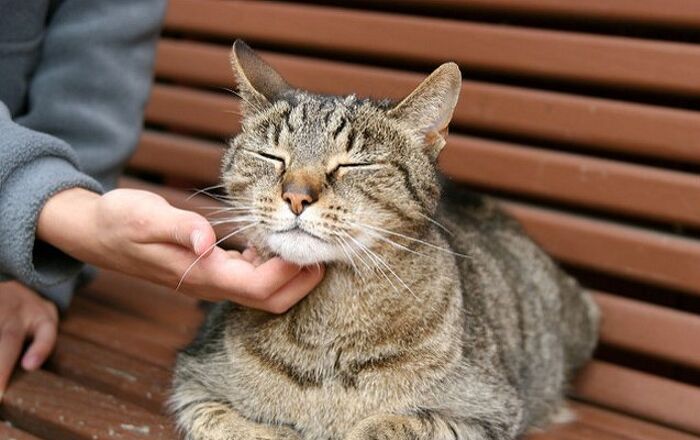
As she gets older, your cat may end up having trouble grooming herself because it might be difficult to reach certain areas of her body. If this is the case, give her a hand by grooming her gently every day. This will make her look and feel great, and it’s a wonderful way to bond with your cat.
Keeping a Senior Kitty Comfortable
There are many things you can do to ensure your senior cat is comfortable at all times. For example, you can provide plenty of warm, well-padded cat beds, and place different types of beds in different rooms in your cat’s favorite spots.
You can also purchase pet stairs or ramps that help your kitty get to high places more easily without having to jump, especially if she suffers with conditions that limit his mobility.
If your cat gets disoriented at night, keep some night lights on around the house.
Consider moving the litter box, or adding an extra one, so that your cat can access it more easily. You may also need to change the type of litter box you’re using so that your kitty can climb into and out of it with ease.
Regular Trips to the Vet
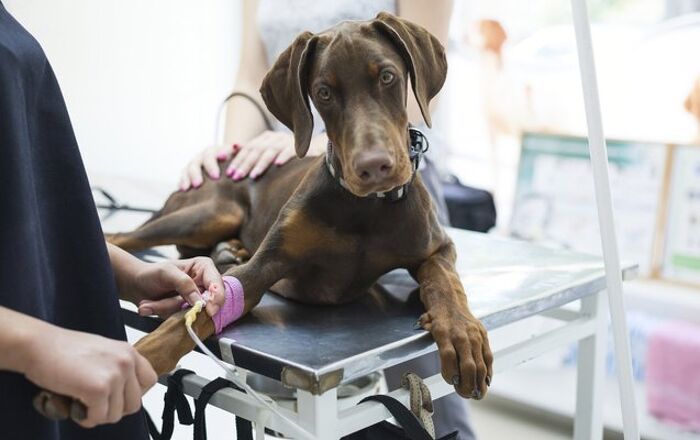
Regular trips to the vet are necessary to diagnose conditions in their earliest stages and provide the appropriate treatments right away. Your vet may recommend bringing your kitty in twice annually so that she can run a blood test, check his teeth and gums, ensure she’s maintaining a healthy weight, and more.
Keeping senior cat health problems at bay is all about following a healthy routine. By starting this regimen as soon as you notice your cat is slowing down, you’ll be able to catch issues before they become overwhelming.