Serbian Hound Basics
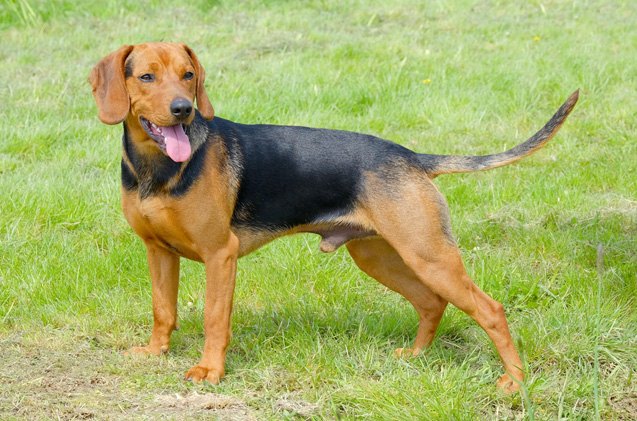
With his deep red coloration, the Serbian Hound is a beautiful breed that serves dual purposes as a talented pack hunter and a devoted family pet. These dogs have excellent stamina and a strong work ethic which makes them invaluable to hunters, though they are also loyal and loving with family. If you’re looking for a breed that offers the best of both worlds as a working breed and loving family pet, the Serbian Hound may be one to consider.
The Serbian Hound is a beautiful breed that serves dual purposes as a talented pack hunter and a devoted family pet.
Origin
Previously known as the Balkan Hound, the Serbian Hound is a medium-sized hound that originated in the Balkans. He is one of several scent hounds native to the area and the first record of the breed can be traced back to the 11th century. These dogs are bred to hunt in packs and, while he is a talented hunter, he also does well as a family pet. The Serbian Hound is known for his work ethic and his tenacious nature in the field, though he is loyal and devoted with family at home.
Pedigree
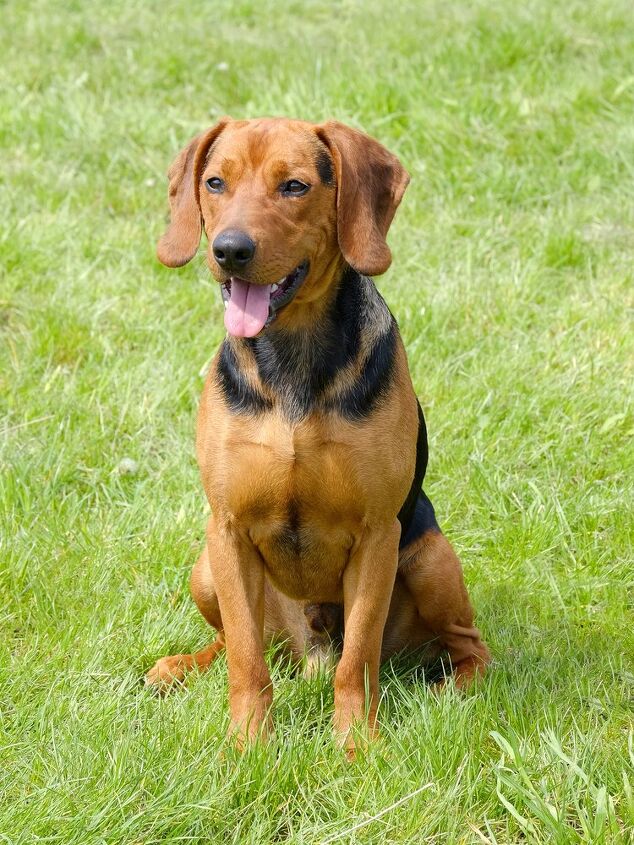
The Serbian Hound is one of many scent hounds that have lived in the Balkans for many years. His exact origins are unknown.
Food/Diet
As a medium-sized breed, the Serbian Hound typically doesn’t require a size-specific dog food formula. A high-quality recipe made with plenty of animal protein, digestible carbohydrates, and healthy fats should be perfectly adequate. Due to his high energy levels, however, you might want to consider a working breed formula instead – especially if you plan to use your dog for hunting. These formulas are still rich in protein but offer higher levels of fat for increased energy.
The Serbian Hound is an intelligent breed but he can be a little difficult to train.
Training
The Serbian Hound is an intelligent breed but he can be a little difficult to train, especially for inexperienced dog owners. These dogs require a firm and consistent hand in training, but they don’t respond to harsh training methods. Patience and persistence are required, but you also need to keep your training sessions short and active to keep your dog engaged. This breed can tend towards independence so they require steady guidance to prevent the development of problem behaviors and they require plenty of socialization to get along with other pets.
Weight
The Serbian Hound is a medium-sized breed, weighing 44 to 50 pounds at maturity. Males stand 18 to 22 inches tall while females are a little smaller, between 17.5 and 21.5 inches tall.
Temperament/Behavior
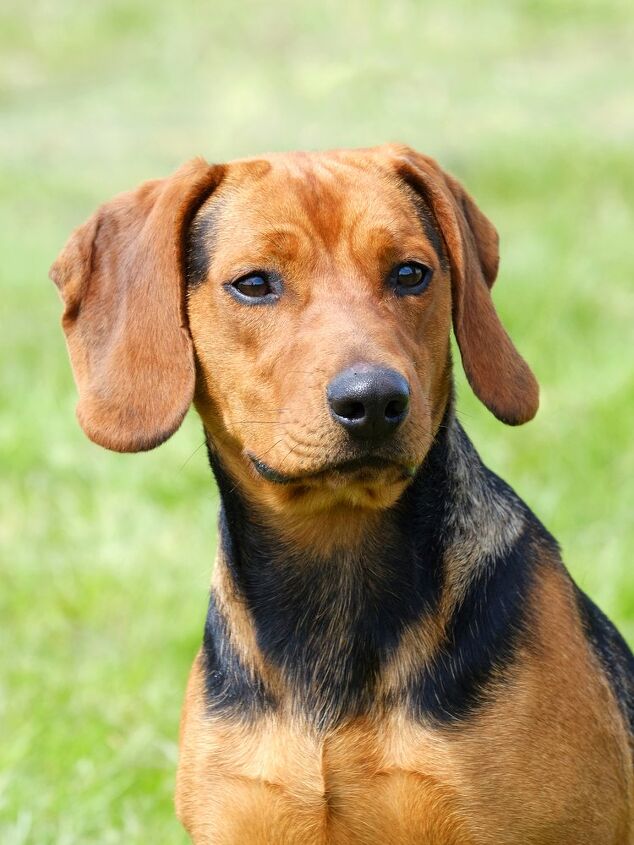
The Serbian Hound is like most hounds in that he is completely dedicated to his work. Known for his work ethic and stamina, the Serbian Hound is a talented hunter but he also does well in a family setting provided his exercise needs are met. This breed can be relaxed in the home and he forms strong bonds with family, even children (when properly socialized). Just be careful with this breed around cats and smaller pets due to his high prey drive.
Common Health Problems
With an average lifespan of 12 to 15 years, the Serbian Hound is a very healthy breed. Unfortunately, little is known about health problems affecting the breed, though he does appear susceptible to hip dysplasia, ear infections, and field injuries. These dogs are particularly prone to ear infections because their ears are large and pendulous, hanging down from the face which traps moisture and creates an environment where bacteria can grow.
Life Expectancy
The average lifespan for the Serbian Hound is about 12 to 15 years.
Exercise Requirements
As a hunting breed, the Serbian Hound has excellent stamina and a great deal of energy. These dogs are not typically hyperactive, but they do require at least an hour or two of rigorous exercise on a daily basis. In addition to physical exercise, these dogs also require mental stimulation to keep their minds sharp and to prevent boredom which could lead to destructive behaviors.
The Serbian Hound is like most hounds in that he is completely dedicated to his work.
Recognized Clubs
The Serbian Hound is not currently recognized by the AKC but he was recognized by the FCI in 1940 and by the United Kennel Club in 2006.
Coat
The Serbian Hound has the typical hound-type coat which is short and abundant with a well-developed undercoat and a slightly harsher top coat. The typical coloration for this breed is red with a black mantle or saddle, often with black markings on either side of the temples. A round white mark no larger than 2cm on the chest is also permitted. Grooming this breed is easy due to its short coat and the breed sheds on a moderate level.
Puppies
The average litter size for the Serbian Hound is 3 to 6 puppies. Puppies should be started with training and socialization as soon as possible, especially if you plan to use your dog for hunting. Because this is a medium-sized breed, puppies, typically reach their adult size within 12 to 18 months and they do not need to be fed a size-specific formula. A high-quality puppy food rich in protein and fat should be adequate to support this breed’s growth and development.
Photo credit: Capture Light/Shutterstock