We all want our precious pooches to be as healthy as they can be. Adding supplements to your dog’s diet can be extremely beneficial to their health. Some supplements are excellent for treating particular problems, whereas others are generally conducive to wellbeing. It’s always a good idea to consult your veterinarian before adding a new supplement into your dog’s diet, so you can be sure about dosage and any potential issues.
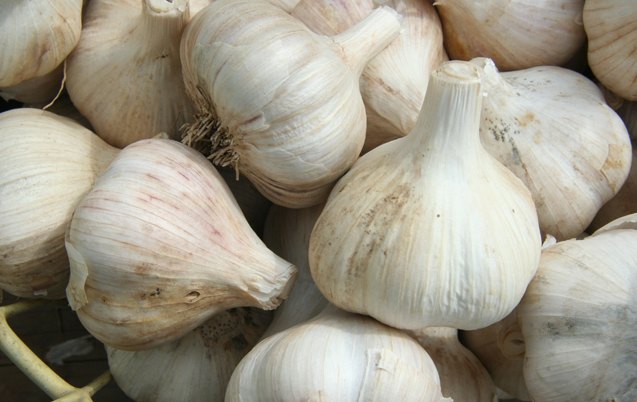
Garlic
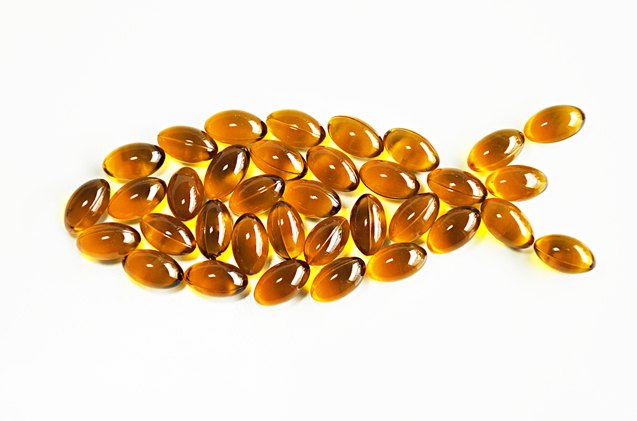
Fish Oil
Fish oil is among the most popular supplements for dogs. There’s some suggestion that it may aid in the prevention of cardiovascular disease, but this is unclear. However, probably the main benefit is improved skin and coat health. It’s known to help with skin-related allergies and irritations. (Photo credit: Kritchanut/Shutterstock)
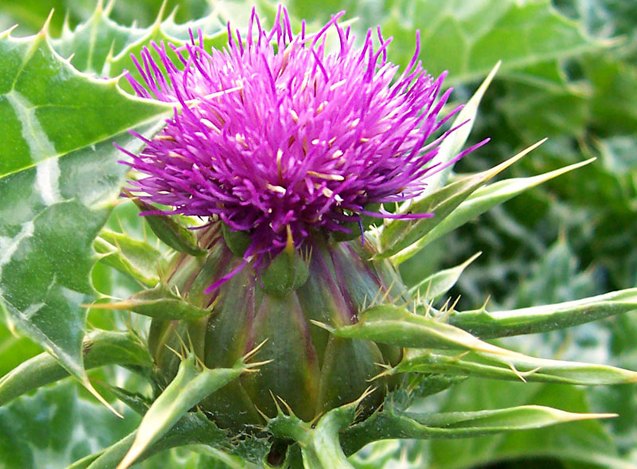
Milk Thistle
This clever little herb improves canine liver function. Milk thistle reduces inflammation and helps to prevent disease in the liver. Although not much research has been carried out to support this claim in canines, the active ingredient in milk thistle is a compound called silymarin, which is known to have a positive effect on the liver and kidneys. (Photo credit: Fir0002/Wikimedia)
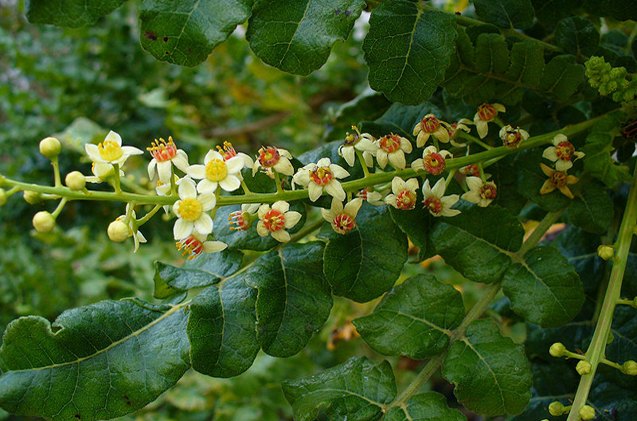
Boswellia
Boswellia has anti-inflammatory properties, which means that it can help dogs who suffer from conditions caused by or linked to inflammation. These include osteoarthritis, rheumatoid arthritis, and inflammatory bowel disease. (Photo credit: Scott Zona/Wikimedia)
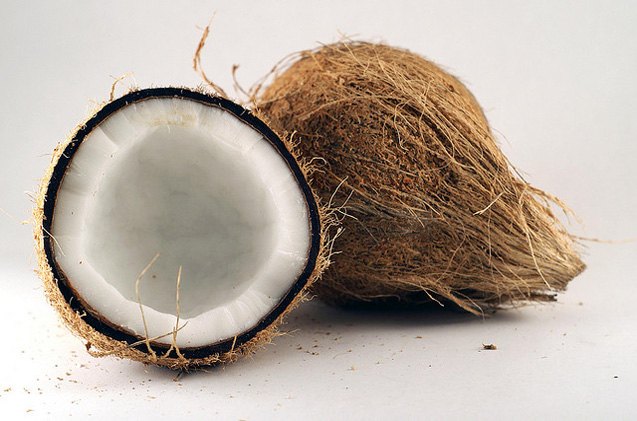
Coconut Oil
If fed regularly to your dog, coconut oil can have a range of health benefits. It’s great for general skin health and can help skin conditions such as allergies, eczema and contact dermatitis, and itchy skin. It’s also good for digestion and may boost the immune system. (Photo credit: Hafiz Issadeen/Flickr)

Apple Cider Vinegar
You might be surprised by how many uses there are for apple cider vinegar. While you can mix it in with your dog’s food, it’s often given diluted in water or sometimes even used topically. It’s said to help with problems such as tear stains, urinary issues and fleas. (Photo credit: Phongnguyen1410/Wikimedia)

Lavender
In supplemental form, lavender can help with digestive issues, travel sickness and can calm dogs. It can also be used topically, in oil form, to help with hot spots and cracked paws. (Photo credit: Riley Huntley/Wikimedia)
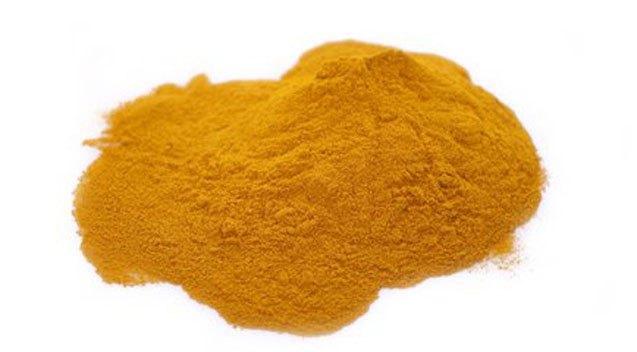
Curcumin
Curcumin is the active ingredient in turmeric. While you can feed your dog food-grade turmeric, it’s generally best to look for a concentrated curcumin supplement designed for canines. Consider introducing turmeric to both yours and your dog’s diet! Curcumin is another anti-inflammatory, which means it’s good for joint health and certain digestive issues. It may also have some anti-cancer properties, though these haven’t been fully substantiated. (Photo credit: BroviPL/Wikimedia)
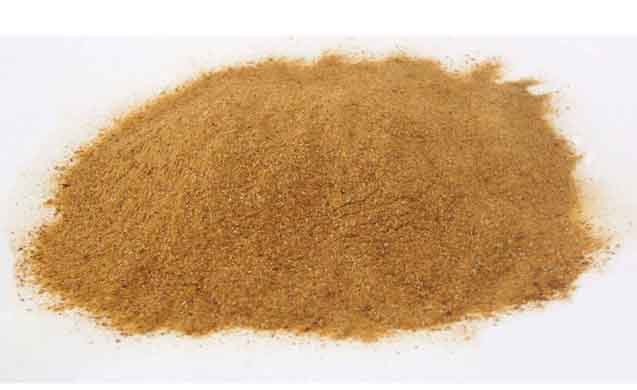
Brewer’s Yeast
Full of B vitamins and omega fatty acids, brewer’s yeast is generally healthy for your dog. It’s known to help with skin complaints and to generally improve the condition of your dog’s skin and coat. Some also claim that it can help to repel biting insects. (Photo credit: Priority Health)

Fiber Supplement
Fiber supplements are extremely useful for dogs who have digestive issues such as irritable bowel syndrome, diarrhea and chronic constipation. You’ll find various kinds of natural fiber supplements on the market, so it’s best to ask your vet which is the best kind for your dog’s particular problems. (Photo credit: Fredde 99/Wikimedia)