Need-to-know tips if you lose a dog
Knock on wood that it never happens to you, but you want to be prepared if your dog gets loose and you can’t find him. You need to be prepared just in case this event ever takes place. We’ve prepared an emergency list of things you should do when you lose a dog.
Photo credit: Aaron Gustafson / Foter.com / CC BY-SA

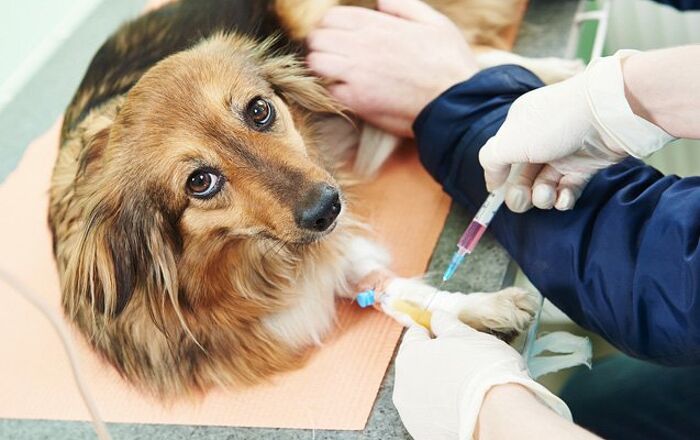
Get your dog microchipped and outfit his collar with tags. If you lose a dog, you want to do both things to ensure your pup gets back to you as quickly as possible. Just in case his collar falls off, a microchip holds onto all your personal information for the lifespan of your dog. A vet or shelter just needs to scan your dog to see where he lives and who is missing him.
With the evolution of technology and the internet, there are even more options available today than ever before. Many companies are now offering tags that have QR codes. If someone finds your dog, they can scan the code and will be provided with all your dog’s information including your contact info, any medical information that they may need to know, and more. Not only does this allow you to include a lot more information than a standard identification tag, but it’s also easier to update if your contact information changes. Simply log on and update the information online. With a standard tag, you will need to completely replace the tag with the current information.
Photo credit: Elf / Foter.com / CC BY-SA

Get to work, fast. As soon as you notice that your dog is missing, you should assemble the troops and start looking for him. Search a two-mile radius of where you live, go to frequent haunts like a local dog park, and hand out flyers of your pooch to people in the area.
Photo credit: Les Chatfield from Brighton, England / Foter.com / CC BY

Call local shelters, rescue organizations, veterinarians, pet stores, and police stations. Make a list of these organizations and keep them on hand. Often, if a dog gets loose and someone finds him, people will alert shelters and the like and keep the dog with them until an owner can be located. If a shelter does have a dog that matches your description, go into to make sure that it is yours – don’t call off the search until you are sure.
Photo Credit: acadmeic

Print up flyers to post and hand out. Use a recent photo that represents the best likeness of your dog. You can post them around the neighborhood, playgrounds, dog parks, local businesses and shelters to get the word out there. Put all pertinent information on the flyer – a detailed description, special markings, the date he went missing, where he was last seen, medical conditions, contact info and a reward.
If you are offering a reward, don’t post the amount. Always say that your dog is spayed or neutered, even if they are not. This will dissuade dishonest breeders from taking advantage of your lost pooch. If your dog is skittish or nervous, make sure to mention it on the poster and ask people NOT to chase the dog if he is spotted. Instead, have them contact you to let you know of the spotting which can help you narrow down where he may be headed.

Use social media networks. If you have active social media accounts on sites such as Facebook and Twitter, post the flyer information in your updates and ask people to share. You’d be surprised how many dogs find their way home thanks to social media.
Share this information to local Facebook groups including both community groups and pet-specific groups. This will put the information in front of people that live in your area. Include in your post a request for people to share it and make sure that your post is public. The more people who share this information, the more likely it is going to reach someone that will spot your dog.

Post an ad in your local newspaper, Craigslist.com or Kijiji.com. Get the word out to as many people as possible by expanding your reach. There are also many websites that are dedicated to lost and found dogs. This includes larger websites like Paw Maw and Petco Love Lost, but also the smaller sites associated with your local shelters. While these larger organizations do cater to a much bigger area, you never know who may be traveling into your hometown and could spot your dog at any given time. The more people that know that you’re pup has gone missing, the more people will be on the lookout.

Alert local schools. If you want plenty of little detectives on the case, ask local schools to broadcast a missing dog bulletin as part of their morning announcements. Most kids love dogs and will keep an eagle-eye out for your pup. For this bulletin, try to keep the description of your dog basic but provide key details for the kids to watch out for. Does your dog have a unique marking? Is his collar a bright color that will stand out against his fur and catch the attention of a young child? This is all great information to mention!

When someone calls to say that they have found your dog, be wary. Ask for specifics, things you left out of your lost flyers. Don’t trust anyone who says they want the money upfront or want you to wire it to them before they hand over your dog. Set up a meeting with this individual in a public space where you feel safe. This could be at your local shelter during their operating hours or in front of the police station. Make sure that they know to bring the dog with them – you don’t want to be in a situation where they are requesting that you follow them back to the dog’s location.

After the first 24 hours go by, start looking farther than your immediate neighborhood. Call local agencies of neighboring towns or communities so they will know you are searching for a lost dog. Dogs can travel a surprising distance if they are lost, turned around, or spooked.

Don’t Give Up!
There are stories out there of people who have been reunited with their lost dog after months, even years, apart. For longer-term searches, consider setting up a Facebook page where you can share information about recent sightings that have been reported. This will help keep everyone informed that is invested in helping bring your dog home.
Stay positive and keep canvasing shelters and rescues to see if a dog matching your description has shown up.