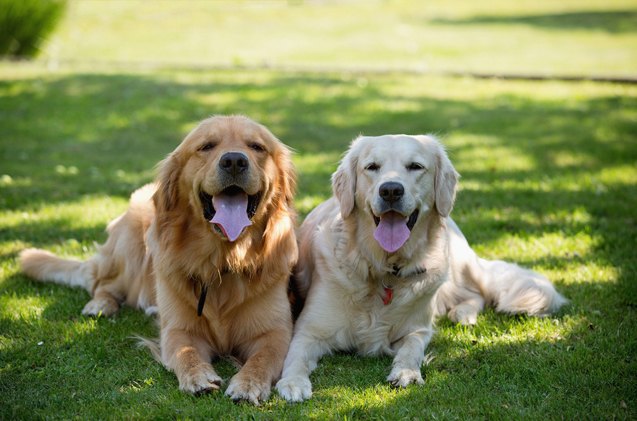
Knowing the facts about hypothyroidism in dogs will help your pooch live a healthy life
The thyroid is a gland located in your dog’s neck which helps to regulate his metabolism by producing certain hormones. In some dogs, the thyroid is underactive which leads to a condition referred to as hypothyroidism. This disease can cause some serious problems in dogs but, with proper education and care, your dog can life a healthy and happy life. In this article you will learn the basics about what hypothyroidism in dogs is, how it affects dogs, and what can be done to treat it.
Causes and Symptoms of Hypothyroidism in Dogs
There are several different ways through which a dog can contract hypothyroidism. The two most common causes involve the immune-mediated destruction of the thyroid gland and the natural atrophy of the thyroid gland. In the first case, an autoimmune disorder called thyroiditis results in the body attacking its own healthy tissues in the thyroid gland. In the second case, the gland simply deteriorates due to vary environmental and dietary factors. Other causes of hypothyroidism may include dietary iodine deficiency or a congenital health problem.
Hypothyroidism most commonly affects middle-aged and elderly dogs and it is known to affect certain breeds more than others. These breeds include Golden Retrievers, Irish Setters, Great Danes, Dachshunds, Boxers and Doberman Pinschers.
This condition manifests in many different ways, though some of the most common symptoms include:
According to a recent study, over 85 percent of dogs diagnosed with hypothyroidism exhibited some kind of skin abnormality and 40 percent experienced hair loss. Of the dogs studied, only 22 percent had a skin infection but nearly 50 percent were obese and just as many exhibit lethargy.
Treatment and Management of Hypothyroidism in Dogs
Unfortunately, testing for hypothyroidism in dogs is not easy. Certain blood tests can be used to detect the auto-antibodies which commonly cause autoimmune thyroiditis but, by the time there is a measurable amount of the antibodies in the blood test, the damage done to the thyroid is already irreparable. Dogs that are diagnosed with hypothyroidism cannot be cured, but the condition can be managed with daily thyroid hormone replacement therapies. Though the condition itself will never be cured, the symptoms of the disease should abate over time.
Because hypothyroidism is so difficult to treat, prevention is the best option. You should have your dog screened for inherited hypothyroidism, especially if you plan to breed the dog. Regular blood tests will help to monitor your dog’s thyroid levels so if your veterinarian notices them declining over time he can begin gland support therapy. Unfortunately, many veterinarians wait until test results show low thyroid hormone values AND for the dog to display three of the six classic symptoms of the disease before they make a diagnosis and begin treatment. By this time, however, it may be too late to stop the progression of the disease.
If you own a dog that is pre-disposed to hypothyroidism, do your research to learn as much as you can about this condition. The more you know, the more closely you can work with your vet to monitor your dog’s health and to look for signs of thyroid deficiency. The more proactive you are, the better your chances are of preventing your dog from developing the disease at all. If you dog does develop the disease, however, being prepared will ensure that your dog gets started on treatment as soon as possible so the disease can be properly managed.