When your new cat comes home, it’s necessary to take her to the vet for a health check. Here are the tests you need to ask your veterinarian to run on your kitty.
When you bring any new cat into your family, such as when you adopt a stray kitty or one that doesn’t have a medical history, your vet can perform a variety of tests to determine the health status of your new pet.
This is important in order to give your cat the best care possible and to target health conditions so that you can treat them right away without wasting any time. And this is also important if you’re introducing a new kitty into your existing feline family, as you don’t want to risk transmitting any illnesses.
What are some of the recommended veterinary tests that you can expect your vet might want to perform when you bring a new cat into your family?
Head to Tail Physical Exam
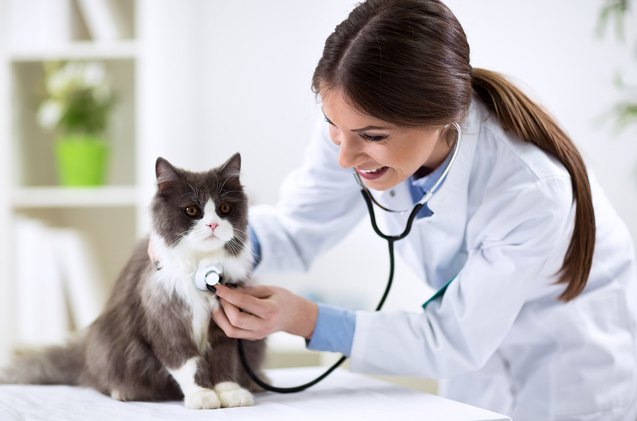
When your vet meets your new kitty for the first time, he or she will perform a thorough physical exam to determine your pet’s state of health from nose to tail. This includes weighing your cat to check if he’s underweight or overweight.
Related:Two Infectious Illnesses You Should Know About
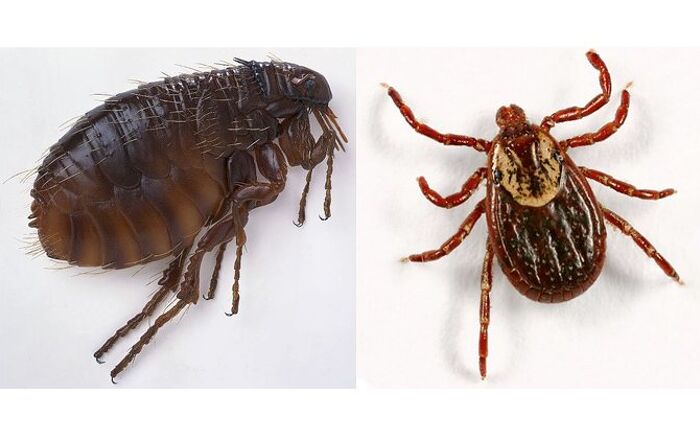
Your vet will check that your cat’s heart and lungs sound healthy, and will also see if the animal is suffering from any external parasites like ticks and fleas. He or she will then take a look at your cat’s mouth to ensure the teeth and gums are healthy, and will also look at the eyes to make sure that they’re bright and clear.
The way your cat looks on the outside will give your vet clues to underlying health issues, so this is an important step in ensuring your new pet is doing well.
Blood Test
A screening blood test is a good way for your vet to look for any signs that would indicate your new cat might have a medical condition, even if the symptoms have not manifested yet. For example, this test could help your vet determine the health of your cat’s thyroid and kidneys, as well as point to early signs of illnesses like diabetes. This is especially helpful for older kitties who are adopted.
Related:Which Feline Vaccinations Are Really Necessary?
Many vets today also recommend performing a blood test prior to having your new pet spayed or neutered. The test will help the vet gauge the animal’s current state of health and his ability to be under anesthesia for the surgery.
Tests for Parasites
A fecal exam is also recommended for a new cat, as this simple test will determine whether or not the animal has any internal parasites that could be harmful to his health and that could be transferred to humans and other pets in the household. Your vet may also recommend testing for heartworm infection.
Some parasitic infections, such as roundworms, will result in your cat eliminating worms in the stool or in vomit. But even if you don’t notice any evidence of worms in your pet’s vomit or stool, this test is recommended, particularly to check for protozoa like Toxoplasma and Giardia.
In the event that your cat tests positive for worms or intestinal parasites, your vet will prescribe the appropriate medications to get rid of them as quickly as possible.
Testing for Infectious Diseases
Another test that your vet may recommend for your new cat is a simple blood test that will check for Feline Immunodeficiency Virus (FIV) and Feline Leukemia Virus (FeLV). These diseases weaken a feline’s immune system, leaving him more vulnerable to a variety of other health problems. And because they can be transferred from one cat to another, it’s important to know whether or not your cat is infected, especially if you’re introducing him to a multi-cat household.
Your vet may also suggest performing other tests, depending upon your new cat’s state of health and medical history. Be sure to take advantage of the first veterinary checkup, as it’s a perfect opportunity to ask any questions you have regarding the care that you need to provide to keep your cat happy and healthy.