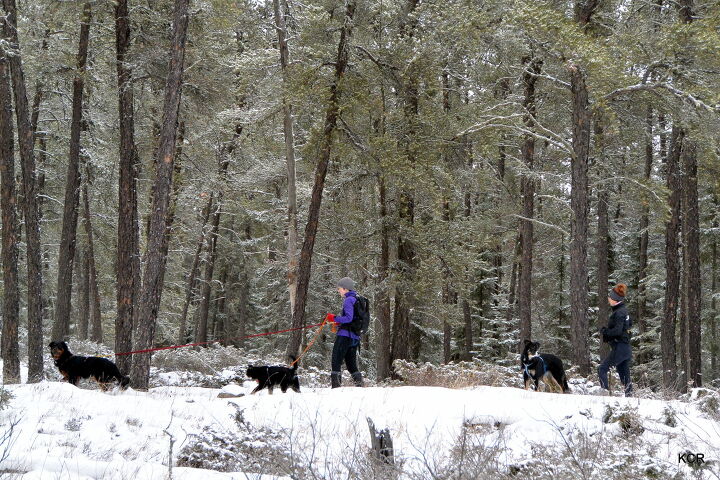
If you find yourself making excuses not to take your pooch out for a walk during snow days, here are some cool benefits of a winter dog walk.
Nothing beats a winter walk or hike with the pack!
I have been accused of being annoyingly pro-winter. Perhaps it’s because I am Canadian, or maybe some of my brain cells froze long ago. But either way, I am a die-hard Winter Walker, they simply are the best! By why you ask? Well, let me enlighten you.
Less Bugs
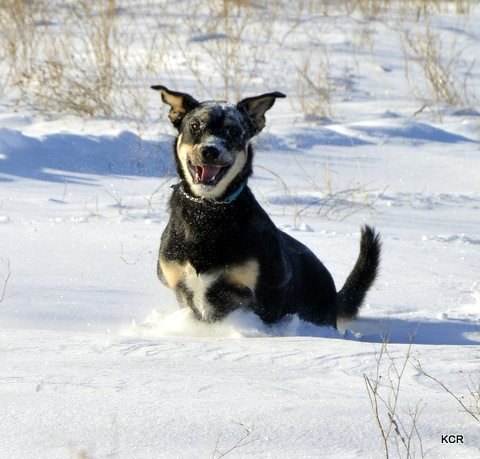
This is the number one reason. Bugs hate the cold. I hate bugs. So it goes that the enemy of my enemy is my friend.
As winter creeps in, most of them die off, disappear or become inactive. I don’t really know where they have all gone, and I don’t care. The point is, the more snow there is, the less bugs there are. Lack of bugs means that my dogs and I can frolic with less concern over heartworm and tick-borne pathogens.
Taking a big breath of air with less chance of breathing in some extra winged protein? Count me in! Sure my lungs may freeze and my lips might turn blue, but at least my frozen blood stays in my body and isn’t a meal for some winged pest.
Now, in the name of responsible journalism, I need to point out that even in the depth of winter, I perform routine tick checks on myself and my crew. With climate change encroaching upon us, Mother Nature is having plenty of mood swings. This means that we have still found ticks to be active when the mercury climbs during the winter. But that’s just another reason to bring on the cold, I say!
Less People
In the warmer months, I enjoy nothing more than paddling in to a remote lake, where there’s no one else around for hundreds of miles. Just me and the dogs. Set up a tent. Swim. Get away from it all. But come winter, I don’t have to travel quite so far to have the same feeling of solitude, and I can often still make it back in time for dinner!
Less people means more peace and quiet. Less chance of a dramatic encounter with a “Don’t worry, he’s friendly” type and more time with just my dogs. The isolation that a snowy scene can bring is just the remedy for life in this modern world. It feels like it’s only me and my dogs in the whole wide world, even if we are really only at the local park, five minutes from home.
Dogs Love Snow
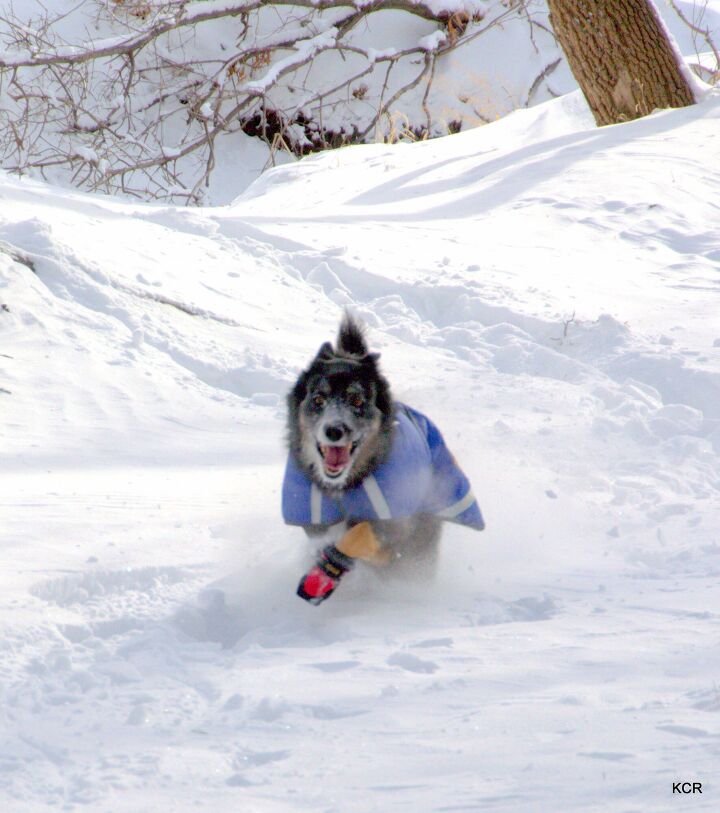
They do! They love to eat it. Pee in it. Chase snowballs, wrestle in it. Roll in it. Make furry snow angels. Be like your dog (except for the pee part). Learn to embrace the white stuff. There’s a certain magic to the snow, and your dog will show you the way to discover it.
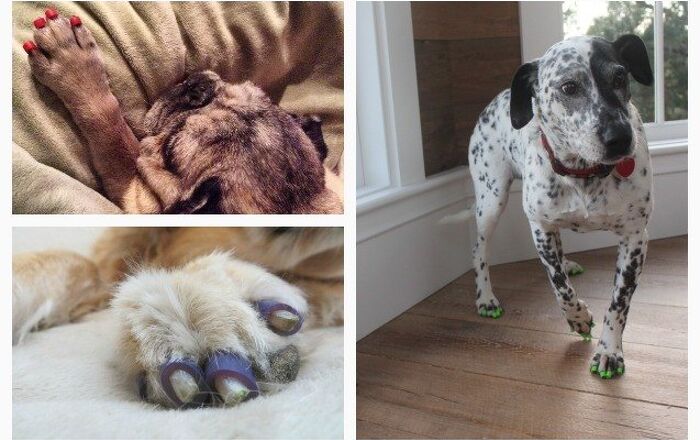
Now of course, some dogs love snow a lot more than others, and some love snow for a lot longer periods of time than others. Pay close attention to your dog to ensure they are safe and comfortable while out frolicking. There is no shame in a proper fitting coat or waxing up the paws before a playdate in the powder. We tend to avoid booties for playing in the deep snow, as the risk of snow and ice trickling down them and building up against the paws can cause the dogs discomfort or injury.
Poops are Easier to Find
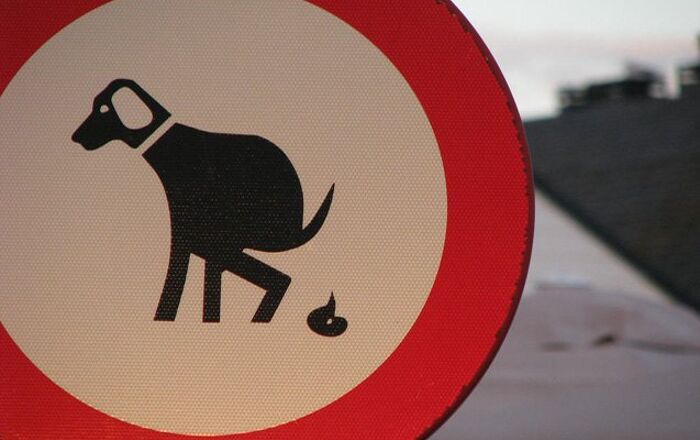
Another good reason for hiking happily in the snow is the poop factor. Long gone are the brown leaves of autumn which served to camouflage the turds. A fresh brown gift left glistening in the snow is like a beacon, easy to spot from even a mile away. Plus, the cold temps help tame the issue of packing out the poop. In summer, even double bagging and bottling it still does little to staunch the stench, but in winter, the cold crisp air serves to neutralize the smell, making carrying it out a breeze.
Plus, maybe this is a Canadian thing, but with frostbitten fingers and shaking hands, it is a welcome relief when I scoop up a turd and feel it’s warmth through the poop bag on my numb hands. Yeah, it must be a Canadian thing.