Keep your dog safe this Halloween with these helpful tricks (that are a treat!)
We love Halloween at PetGuide.com. Any excuse to dress up – we’ll take it! But we’re also aware that for some dogs, it’s not so much fun. Nothing will put a damper on your Halloween festivities like a trip to the emergency veterinarian. That’s why we put together these Halloween safety tips for dogs.
Make sure to consider his well-being before engaging in the festivities.
As you get ready for the spooky season, try to imagine being in your dog’s shoes. With all those strangers coming up to your house and ringing the doorbell, your alert watchdog may drive himself into a tizzy… not to mention that a barking and charging dog may scare your trick or treaters.
Allowing your dog to have free run in the home could create a dangerous situation. Especially as you are opening the door with the arrival of each trick-or-treater (or random costumed stranger, in your dog’s eyes). Your dog may try to make a break for the great outdoors once you open the door. Or he may try to ‘greet’ the trick or treaters. Even if your dog is an overly friendly pup, an enthusiastic greeting could lead to a child being knocked over or some other unintentional injury.
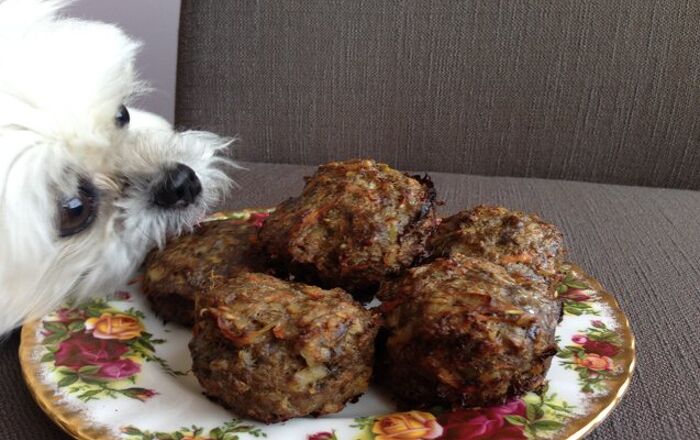
The best thing that you can do for your dog this Halloween is to keep him safely contained. Keep him in a quiet, safe room or kennel, equipped with a comfy bed, a few toys and a family member to reassure him that goblins are not trying to harm you. If you want him to join in on the festivities, consider offering him fun and tasty pumpkin-flavored treats.
You may see your yard as a safe space for your dog, especially if you have a fenced-in backyard space. But, leaving your dog outdoors unsupervised could create a dangerous situation. Your dog may be anxious or stressed out with all the unfamiliar sounds, sights, and smells.
He may get aggressive with all the people coming up to your house and try to escape his fenced space, either breaking free or injuring himself while he tries. Halloween pranksters may pull a trick and let him out of the yard. While we recognize that this isn’t a funny trick, there are many stories of pranksters taking advantage of the ‘trick’ aspect of trick-or-treating to carry out activities that are mean-spirited or harmful in nature.
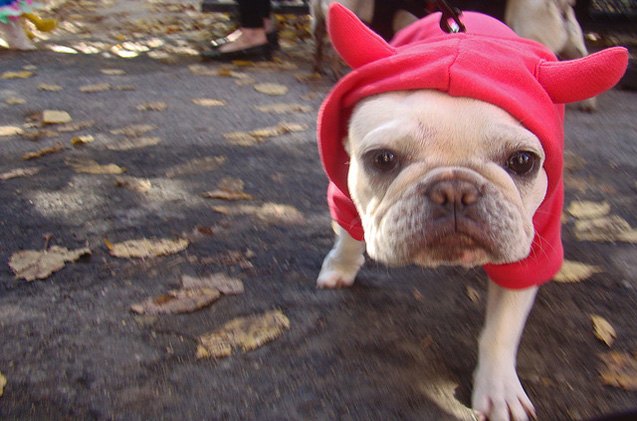
There are few images as cute on Halloween night as a dog sporting an adorable costume. But, forcing your dog to wear something that he isn’t comfortable in just because you like it isn’t fair to him. If he clearly doesn’t like being dressed up, the costume affects his mobility or stresses him out, don’t make him put it on.
If you aren’t sure about your dog’s comfort level, you can take some time to feel it out leading up to Halloween, but not on Halloween night when there is so much excitement going on. Pick a quiet night at home and try introducing your dog to one small part of a costume like a cape that doesn’t feel restricting or overbearing. Make sure to offer him plenty of praise and rewards during this process to create a positive association with wearing his costume. You can slowly work up to a full costume by adding one element at a time while reassuring him. But, if you notice he’s not comfortable, don’t force it.
Even if a Halloween costume is marketed as being for dogs, that doesn’t mean that it’s a good choice for your pup to wear. Check that it doesn’t obstruct vision, hearing, or restrict movement. Take off any small pieces that can be chewed off or swallowed, and if you’re tying anything around his neck, make sure it’s not too tight (to prevent choking or strangling).
Never leave your dog alone when he is wearing a costume. He could chew on it or get tangled up. Keep in mind that he may be experiencing more stress than normal on Halloween night. If you notice that all the excitement is too much and he looks uncomfortable, it’s time to call it a night for Fido.
There are a lot of new people on the street that your dog has never met before. They are running around, screaming and wearing masks. This can freak the calmest dog out. He may turn aggressive or bolt – better to be safe than sorry and leave him at home during this walk.
Boy, does that Halloween candy sure look good! And it looks good to your dog, too. With all the activity on Halloween night, it’s not uncommon for the candy bowl to be set aside and forgotten about momentarily between trick-or-treaters. But, as a dog owner, this could create a serious risk. Keep all candy out of your dog’s reach as chocolate is toxic to dogs and candy can make your pup sick.
Make sure your kids understand the danger of the dog eating their Halloween candy and ensure they put it somewhere the dog can’t get it.
Do you enjoy decorating your home with the eerie glow of a Jack-o-lantern with his fun carved face and spooky smile? If so, pay careful attention to where you are going to place your decorations on Halloween night. Once you light the candle, make sure that your dog keeps his distance. You don’t want him to get burned or knock it over in his excitement to investigate this interesting decoration.
Do you have any additional Halloween safety tips for dogs? Please share them with the community in the comment section below.