Appenzeller Sennenhunde Basics
Also known as the Appenzeller Mountain Dog and Appenzell Cattle Dog, the Appenzeller Sennenhunde is the rarest of the four ancient Swiss mountain dog breeds. The breed gets its name from the Swiss herders known as the Senn and Appenzell region of the Swiss Alps to which this breed is native.
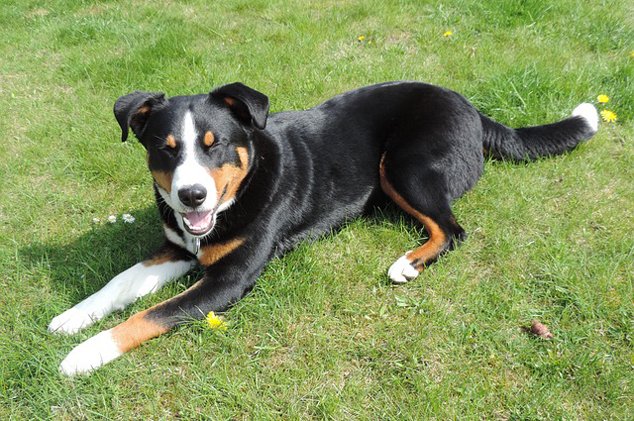
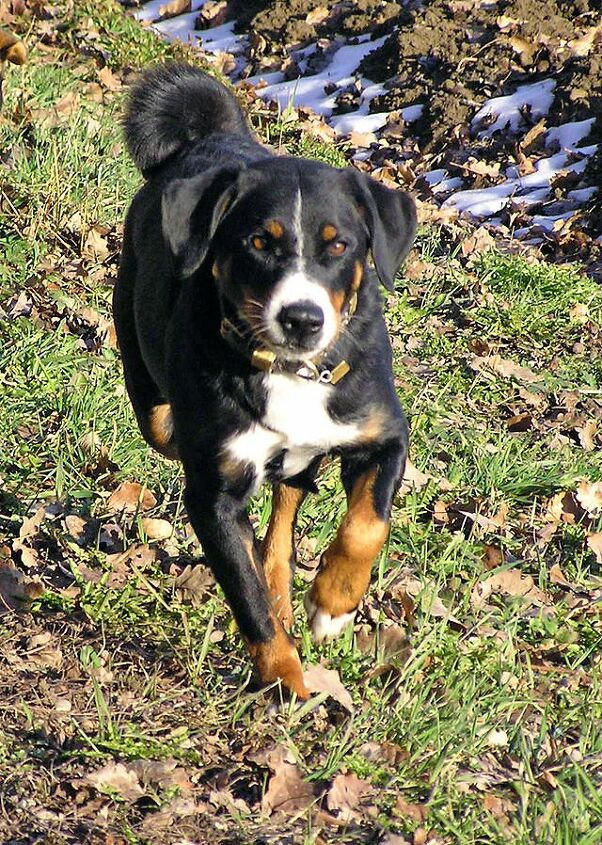
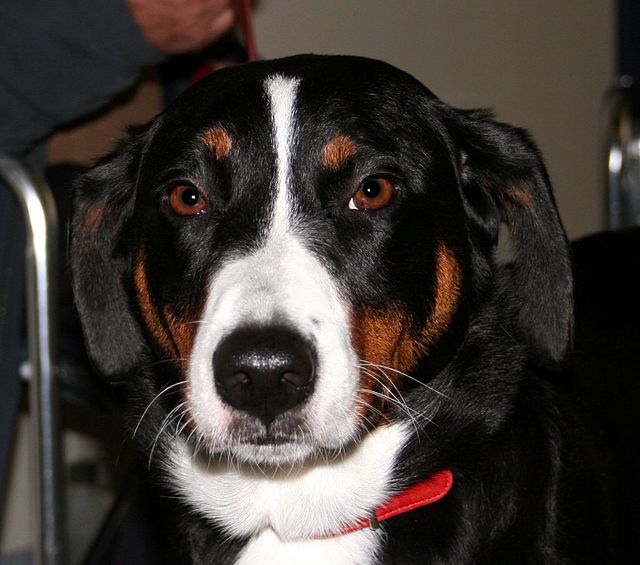
Like its cousins the Entlebucher, the Greater Swiss Mountain Dog and the Bernese Mountain Dog, the Appenzeller is a well-muscled and powerfully built dog. Although a medium-sized dog, it is extremely strong and is capable of pulling small carts and trolleys and working as an all-purpose farm dog. Appenzeller’s have a thick double-coat that is black, brown and white in color and its ears are high set and floppy.
Appenzellers are an extremely hard working breed and require a great deal of physical and mental exercise to remain happy and healthy. Although an excellent herder and guarder of livestock, their high maintenance and high exercise requirements have not made them overly popular in the United States.
Also known as the Appenzeller Mountain Dog and Appenzell Cattle Dog, the Appenzeller Sennenhunde is the rarest of the four ancient Swiss mountain dog breeds.
Origin
The Appenzeller Sennenhunde is an ancient breed and has been used in Switzerland for droving, guarding and general farm work for thousands of years. The breed was recognized as a native Swiss breed requiring conservation in 1897 and the first breed club was formed in 1906 by Dr. Albert Heim. These dogs were first introduced to the U.S in the early 1950s.
Pedigree
It is believed that the Appenzellers, like the other three Swiss mountain dogs, is believed to have descended from the Roman Molossers which were crossed with the native Swiss dogs.
Food/Diet
The Appenzeller Sennenhunde is not a picky eater and will quickly devour any food that is set in front of him. Care should be taken however to ensure that these dogs do not over-eat.
Appenzellers are an extremely intelligent breed and can learn new tasks quickly.
Training
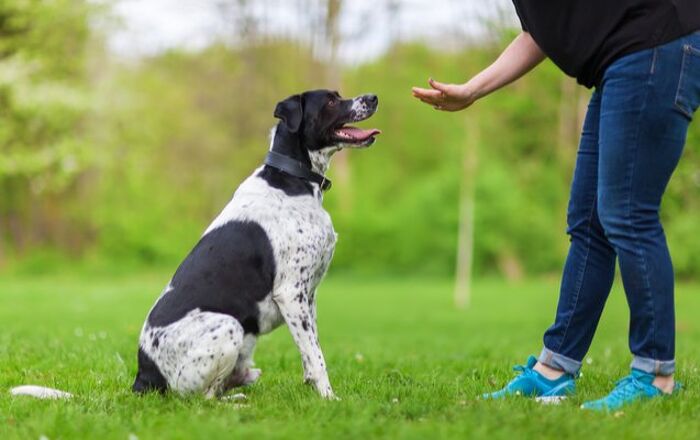
Appenzellers are an extremely intelligent breed and can learn new tasks quickly. However, they are also capable of independent thinking and require owners that can demonstrate loving but firm leadership, consistently. If an owner is meek or unsure, these dogs can quickly assume the role of the pack leader and start trying to dictate terms. This can be dangerous considering the dog’s size and strength. For this reason, Appenzellers are not recommended as a dog breed for first-time owners.
Weight
A full grown Appenzeller Sennenhunde male can weigh anywhere between 50 to 70 pounds.
Temperament and Behavior
Like most other herding breeds, Appenzellers are extremely self-assured and intelligent. When provided with loving but firm leadership, they will bond form an unshakeable bond with their owners and will willingly put their lives at risk to protect them. As a herder and livestock guardian, the Appenzeller Sennenhunde was bred to be brave and to be wary of strangers. These characteristics make them excellent guard dogs. However, they can often bark excessively and should be corrected promptly to ensure that they do not become a nuisance in closely populated neighborhoods.
Appenzellers are extremely affectionate towards children and love to romp and play with them. Care should be taken however considering the dog’s size and strength as they can sometimes unwittingly knock over or injure extremely young children.
Socialization is an extremely important part of this dog’s training. Appenzellers should be socialized early on in life with as many people and animals as possible. This will prevent any overly suspicious or aggressive behavior they may display towards strangers later on in life.
Appenzellers can sometimes become stubborn and willful when not provided with strong and consistent leadership. Therefore it is important that Appenzeller Sennenhunde owners set rules, boundaries and limitations early on in the dog’s life. Owners should also have a rudimentary understanding of dog psychology and ensure that the dog sees them as the pack leader. This is extremely important for such strong and powerful breed.
Common Health Problems
The Appenzeller is an extremely healthy breed of dog with little to no hereditary health issues. This is quite rare for a breed of this size.
Life Expectancy
An Appenzeller that is well cared for will often enjoy a lifespan of up to 14 years.
Exercise Requirements
Appenzellers were bred to work hard throughout the day, and ensuring that they have enough physical and mental exercise is an important aspect of being a responsible Appenzeller owner. Like all working dogs, Appenzellers too require a ‘meaningful’ task that they can apply themselves to each day. When denied of such a job, they can often turn moody and neurotic and can develop various undesirable behaviors.
Like most other herding breeds, the Appenzeller Sennenhunde is extremely self-assured and intelligent.
AKC
The Appenzeller Sennenhunde is included in the American Kennel Club’s Foundation Stock Service.
Coat
The Appenzeller’s double coat is relatively easy to care for and is fairly low maintenance in terms of grooming. The dog’s coat should be brushed with a rubber brush to remove any dead hairs once in every two weeks.
Puppies
Appenzellers are highly intelligent and are extremely fast learners. Therefore they should be given a clear and consistent picture of what acceptable and unacceptable behaviors are from an early age. Training too should start early on in the dog’s life. It is also important that they be socialized with humans and other animals from a young age.
Photo credit: Appenzeller Blaess/Wikimedia; Finy/Pixabay; Pleple2000/Wikimedia