Bloodhound Basics
While the name might suggest a dog that comes from Transylvania, the true nature of Bloodhounds is far different than you might expect, particularly if you’ve never worked with a Bloodhound before. One of the most famous “noses” – that is, strength of scent detection – in the world of dogs, Bloodhounds aren’t only friendly and loyal dogs but make exceptionally useful assistants in the world of law enforcement and security. So why does this breed end up with such a nasty name?
Well, before we get to that, let’s focus on what makes the Bloodhound unique in a world of hounds, spaniels, and terriers. Why would you want a Bloodhound for your family? They’re a relatively plain dog that usually wouldn’t be described as “cute” unless you’ve raised one from a puppy. As you’re about to find out, there’s always more than meets the eye, and a great pet is more reliant on personality. The Bloodhound’s personality is among the best in the world of dogs and makes for a loyal house pet, a friendly companion, and a great long-term friend.
So let’s get to it and find out if the Bloodhound is really a good choice for you and your family’s next pet.
The Bloodhound’s personality is among the best in the world of dogs and makes for a loyal house pet, a friendly companion, and a great long-term friend.
Origin
When you’re talking about Bloodhounds, you’re talking about an animal with a very rich and clearly defined history dating back to the Middle Ages. Essentially descended from a dog known as the St. Hubert’s Hound, the Bloodhound made its mark on history by accompanying nobility and royalty on hunting excursions.The Bloodhound’s personality is among the best in the world of dogs and makes for a loyal house pet, a friendly companion, and a great long-term friend. These dogs would be able to sniff out prey, track down a wounded animal and generally assist with various aspects of the hunt. Its legendary nose becoming more famous, the name “Bloodhound” is perhaps a reference to the way Bloodhounds were great at sniffing out the blood of wounded prey.
Some report that the Bloodhound first made its way into England at around the time of the Norman Conquest under William the Conqueror, but there are no official sources to corroborate this. Nobility used Bloodhounds not only for the hunt, but eventually as tracking dogs to assist in law enforcement. One legend states that a dog was able to track down a criminal over seven miles along a route that was heavily trafficked.
Pedigree
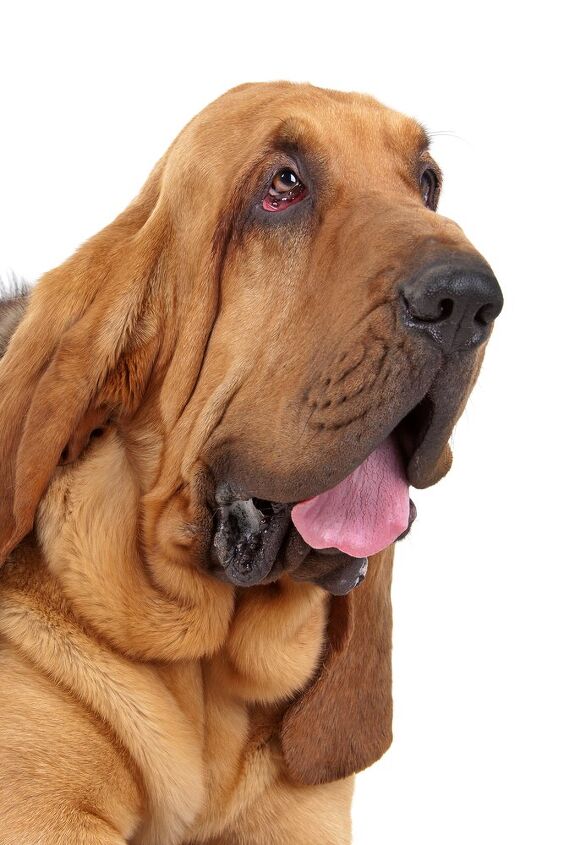
Descending quite clearly from the St. Hubert’s Hound as well as the Sleuth Hound, the Bloodhound is able to track its pedigree back several hundred years, first earning its historical mentions and descriptions well ahead of many other dogs – minus the ancient dogs like the Pug. The pedigree of many Bloodhounds can actually be quite strong because of its relatively noble lineage and even today, many upper-scale dog owners love to have a Bloodhound as part of their pack.
It’s also known that the Bloodhound had a relatively strong identity prior to classification, as old paintings show us examples of Bloodhounds before they were ever given formal classification in organizations such as the American Kennel Club.
Food / Diet
Bloodhounds have a droopy face and ears, so it’s important not to give them a diet full of messy food that can get stuck in the creases of its face. A normal dog’s diet of meat and whole ingredients like vegetables and potatoes can really give your Bloodhound plenty to chew on. Be sure to incorporate treats as part of its diet, rationing them so you don’t over feed them while training.
The Bloodhound made its mark on history by accompanying nobility and royalty on hunting excursions.
Training
The most spectacular element of the Bloodhound’s behavior is its ability to track. So let your Bloodhound use that skill in the wild – it’s important for every dog to feel that it has its own unique role in your pack. Bloodhounds are popular because of its loyalty and its relatively high rate of obedience. Bloodhounds aren’t very independent dogs who like to go roaming without you.
Weight
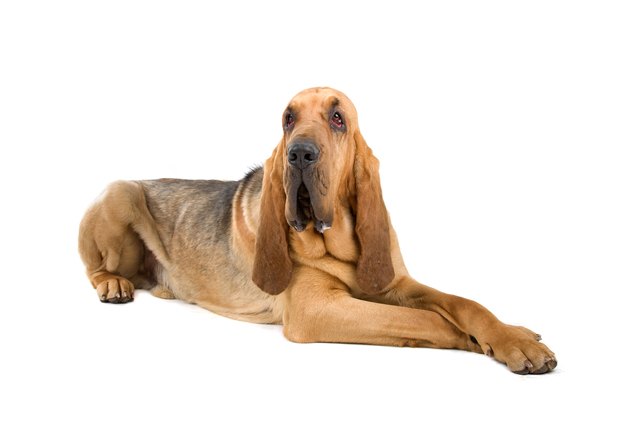
Typically, a Bloodhound should be considered a mid-to-large-sized dog weighing around 80 to 110 pounds, but Bloodhounds can sometimes get larger than that. Be sure to aim for a healthy weight relative to your Bloodhound’s frame and you should have no trouble encouraging longevity and a high quality of life for your pet.
Temperament / Behavior
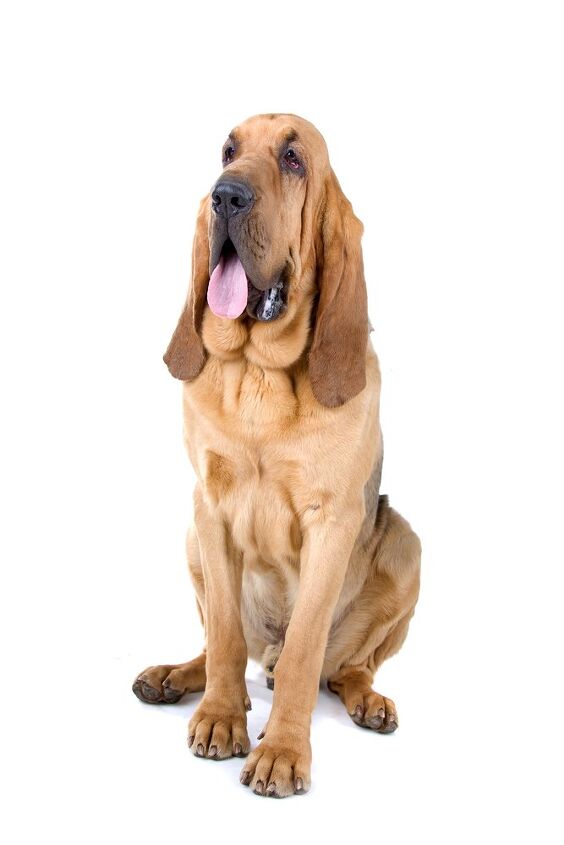
This breed should be considered gentle, but it can be relentless in its pursuit of a scent, which is why it’s important for you to give your Bloodhound some scents to sniff out every once in a while. It should act out any pent up energy in this kind of healthy activity rather than around the house. Generally speaking, these dogs are a low-maintenance dog with a near-ideal behavior for lovers of more passive dogs that just enjoy being loyal.
Common Health Problems
Bloodhounds have higher rates of gastrointestinal conditions including bloating. Be sure to check your Bloodhound’s eyes, ears, and nose for issues as its characteristically droopy face can sometimes hide ailments that have been developing.
Life Expectancy
Bloodhounds typically live around 12 years, typical for a dog of its size.
Exercise Requirements
Bloodhounds can use regular exercise like any animal, but it’s also important to let them work with you in open areas so that it can sniff out scents. Letting an animal exercise in the way it was born and bred to exercise is a great, natural way to get it to live out its most instinctual behaviors in a healthy, energetic way.
Generally speaking, these dogs are a low-maintenance dog with a near-ideal behavior for lovers of more passive dogs that just enjoy being loyal.
AKC
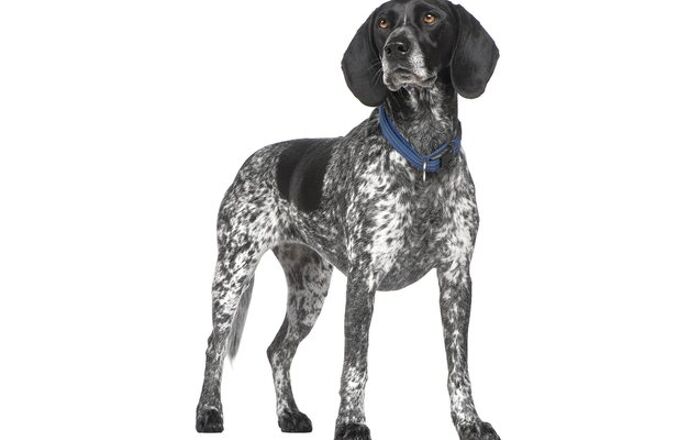
According to the American Kennel Club, “Although affectionate, they can possess shy natures, sensitive to kindness or correction by their master. Colors of the Bloodhound include black and tan, liver and tan, and red, sometimes flecked with white.”
Coat
Maintain your Bloodhound’s coat with a weekly brushing to keep them looking and feeling good.
Puppies
Be sure to not over exercise your puppies and to adequately socialize them, as Bloodhounds can actually become quite shy.
Photo credit: Erik Lam/Shutterstock