Surgeonfish

Published A Few Days Ago
ADVERTISEMENT
fast facts

About Surgeonfish

Aquarium Size
Very Large
Difficulty Of Care
Daily
Group
Saltwater
Size
Small, Medium
Suitable Tank Mates
Other Non-Aggressive Species of Similar Size; Other Surgeonfish, Tangs, Unicornfish
Swimming Region
Mid-Range
Temperament
Community
Fish Water Condition
Tropical Temperature with Moderate Hardness and Slightly Alkaline pH
ADVERTISEMENT

General Description

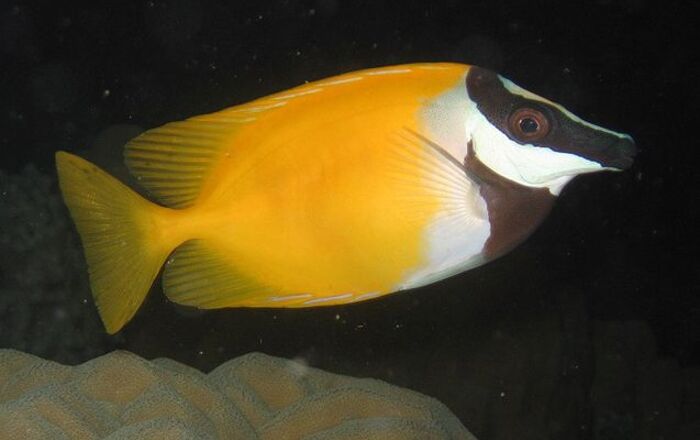
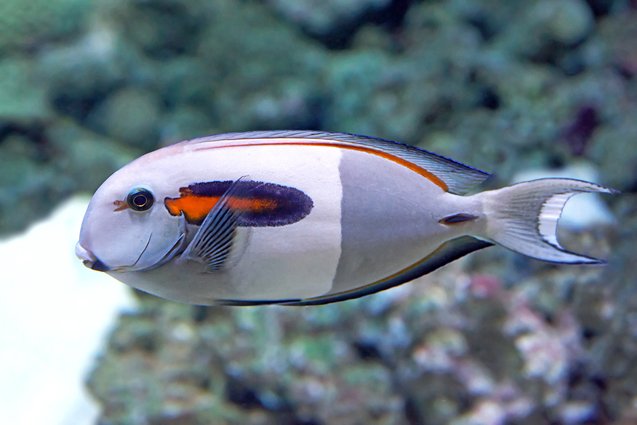
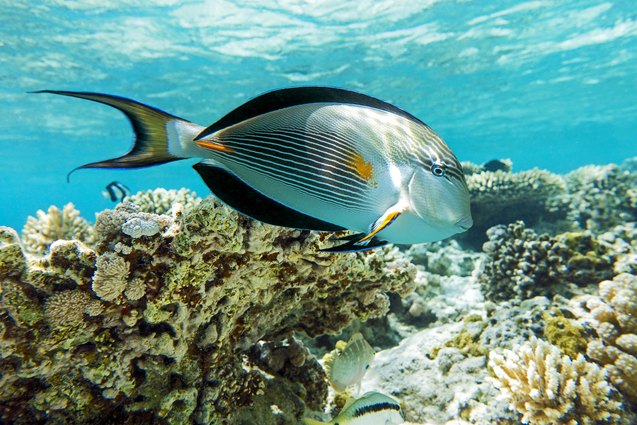
The species known as surgeonfish belong to the Acanthuridae family. This is the same family that contains tangs, unicornfish, and doctorfish so these names are somewhat interchangeable. Surgeonfish vary greatly in size from one species to another, though most stay within the 6 to 16 inch range, making them a small- to medium-sized fish. Though these are not some of the largest saltwater fish, they still require very large tanks (250 gallons or more because they are very active. Surgeonfish are generally very peaceful fish, often traveling and feeding in schools, so they can be kept with other surgeonfish as well as other non-aggressive species. Some species, however, are very aggressive – this is true for the Sohal Surgeonfish.

The species known as surgeonfish belong to the Acanthuridae family.

Origins

Surgeonfish are tropical saltwater fish that can be found in coral reefs in all of the world’s major seas and oceans except for the Mediterranean Sea.

Color

Because there are so many different species of surgeonfish, their coloration is greatly varied. It is not uncommon for surgeonfish to exhibit vibrant colors and patterns with bright yellows, blues, reds, and greens as well as various shades of orange, pink, and purple. Where surgeonfish get their name is from the erectable razor-sharp spines along the base of the body near the tail fin which can be used as a defense mechanism.

Maintenance and Care
ADVERTISEMENT

Surgeonfish are a tropical group of fishes so they prefer very warm waters in the 72°F to 78°F range. These fish require very large tanks with plenty of swimming space and they should be decorated with hardy corals and live rock as well as fine gravel or live sand substrate. In terms of water conditions, surgeonfish prefer a slightly alkaline pH range between 8.1 and 8.4 is ideal with moderate hardness between 8 and 12 dKH.

Surgeonfish vary greatly in size from one species to another, though most stay within the 6 to 16 inch range.

Feeding

Most surgeonfish follow a primarily herbivorous diet in the wild, feeding on a variety of plankton and algae. In the home aquarium, surgeonfish will graze from live sand and live rock, sometimes sifting through the sand for detritus as well. Many surgeonfish will accept meaty foods in the home aquarium if offered, though their main diet should be composed of plant materials.

Also read:Setting a Schedule for Routine Tank Maintenance

Breeding Info

Surgeonfish often travel and feed in schools, so they sometimes spawn in schools as well. It is not uncommon for large groups of thousands of surgeonfish to gather near the full moon, spawning all at once in a great mass. Surgeonfish are pelagic spawners which means that they release buoyant eggs into the water column where they float freely until hatching.

Aquarium Varieties

There are approximately 82 species of fish belonging to the family Acanthuridae. Most species known as surgeonfish belong to the genus Acanthurus. Some of the most popular surgeonfish for the aquarium hobby include the following:

    Photo credit: DennisJacobsen/Bigstock; mirecca/Bigstock

    ADVERTISEMENT

    ADVERTISEMENT

    You May Like

    Alpine Dachsbracke

    The Alpine Dachsbracke has the ability to track game over the roughest terrain, even through the brush, following the trail long after it has gone cold.

    Australian Shepherd

    With its trainability and eagerness to please, the Australian Shepherd is regarded for its skills in obedience and its considerable energy and drive.

    Turkish Van

    Curious and intelligent by nature, the Turkish Van is an adventurous and entertaining companion. Unlike many cats, they love water, and will even swim.

    Blue Naped Parrot

    Long-lived, affectionate and interesting, the Blue Naped Parrot will make a great companion- sometimes even for more than one family generation.

    Sussex Rabbit

    The Sussex Rabbit is greedy with food and prone to excess weight gain. This rabbit is considered one of the best breeds for families with children.

    Hygenhund

    The Hygenhund is a medium-sized breed with the typical hound appearance - he''s lithe, muscular, and active, making him a wonderful hunting dog.

    Can Dogs Get Dandruff?

    Dogs can''t use Head & Shoulders, so what do you when your dog has dandruff? Let''s talk about what can be done about this itchy problem.

    Top Proteins - Which Protein is Best for Your Dog

    Most pet parents are well aware that the dog food they buy needs to be protein-rich to satisfy their dog’s basic dietary needs.

    Glen of Imaal Terrier

    The Glen of Imaal Terrier is small and spirited, though not as excitable as other terrier breeds. Often described by owners as a big dog on short legs.

    Michael Vick Spotted Taking Dog Training Classes

    Philadelphia Eagles quarterback and infamous dog fighter Michael Vick was spotted at a PetSmart, attending dog training classes.

    Bullmatian

    The Bullmatian is a cross between a purebred Bulldog and Dalmatian. These dogs are friendly and charming, as well as affectionate and social.

    Golden Sammy

    It''s hard not to be enamored with the fluffy Golden Sammy, the Golden Retriever and Samoyed mix with a big heart and perfect personality.

    Best Litter Deodorizers for Cats

    We love our cats, but we hate the smell of their bathroom! Want to get rid of the stink? Try one of these best litter deodorizers for cats.?

    Adoptable Dog Of The Week – Gabby

    Meet Gabby, our Adoptable Dog of the Week. Gabby is an adult Shih Tzu that lives in Lexington, KY. She is spayed, housetrained, and up to date with shots.

    How To House Train An Older Dog

    Just because your dog''s not puppy, it doesn''t mean that indoor accidents won''t happen. We''ve put together some tips on how to house train an older dog.