Can Dogs Eat Lettuce?

Published A Few Days Ago
ADVERTISEMENT

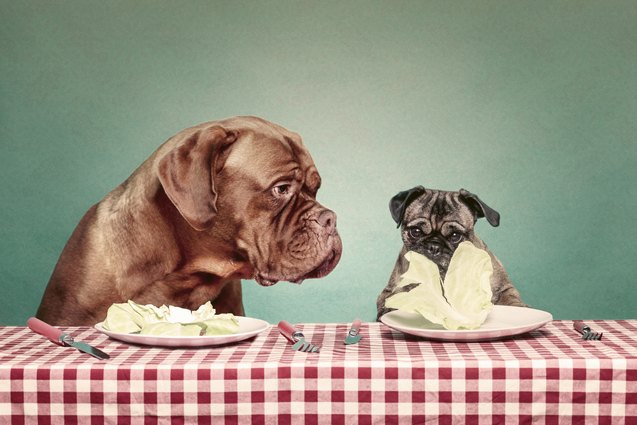
The backbone of salads, we can’t get enough of lettuce. But can dogs eat lettuce? Read on to find out if you can share this veggie with your pooch.

If you’re looking for a light but refreshing meal, you might opt for a salad made with crisp lettuce and fresh veggies. Though low in calories, lettuce is rich in moisture and healthy nutrients which makes it a staple of a healthy diet. But is it safe for dogs?

Many foods that are staples in the human diet are not safe for dogs, so you may be wondering whether lettuce is included in this list. Keep reading to learn whether it is safe to feed your dog lettuce and, if so, how to include it in your dog’s diet.

As you may already know, lettuce is 90% water. This means that it is extremely low in calories for both you and your dog – it also means that there isn’t much in it that could be harmful. Lettuce contains several different nutrients including vitamins A, B, C, and K as well as dietary fiber. The actual content for these nutrients varies from one type of lettuce to another with leafy greens like spinach and kale being the most nutritious and iceberg lettuce being the least.

Though fresh lettuce contains fiber and certain nutrients, the fact that it is 90% water means that the actual content for these nutrients is fairly low. This means that, while lettuce is technically safe for dogs, it isn’t particularly beneficial – there are many other vegetables that are more nutrient-dense. If you choose to feed your dog lettuce, make sure it has been thoroughly washed to remove all traces of pesticides and herbicides. You could also simply purchase organic lettuce for your dog.

Lettuce is safe for dogs in both raw form and cooked, though cooked lettuce isn’t particularly appetizing. The important thing to remember is that while lettuce is safe for dogs, you shouldn’t just give your dog the leftovers from your salad – it could contain other ingredients that are not safe for dogs.

You also need to be mindful of the fiber content in lettuce and other leafy greens because too much fiber at once can cause your dog to develop digestive upset or diarrhea. Chopping the lettuce into small pieces is a simple way to make it more digestible for your dog, or you could blanch it for a few seconds in boiling water. Lettuce is best fed as an occasional treat.

In addition to lettuce, there are plenty of other vegetables that are safe for dogs. Green beans, peas, cucumber, zucchini, leafy greens, and bell peppers are all safe to feed your dog, as long as you are mindful of the fiber content. Certain vegetables like squash, sweet potatoes, beets, and turnips are also safe but should be cooked prior to feeding to ensure digestibility.

Before introducing new foods into your dog’s diet, it’s always a good idea to check with your veterinarian. Your vet will be able to tell you whether lettuce is a healthy addition to your dog’s diet and, if so, how much you can feed him.


ADVERTISEMENT

ADVERTISEMENT

You May Like

Cannonball! Check Out These Adorable Pictures Of Puppies Underwater

Yes, this is actually someone’s day job (and it’s okay to be jealous). Professional photographer Seth Casteel has made a career out of taking gre…

Study: Feline Hyperthyroidism May Linked To Carpet and Furniture Chemi

New research about the chemicals that are found in carpeting and certain upholsteries suggests that your cat’s thyroid may be in danger. Dr. Miaomiao…

Chinook

The Chinook has an even temperament and is gentle and loving. Because they are mellow and patient, they are great with children as well as disabled people.

Can Dogs Be Racist?

Dogs love everyone... or do they? Is it possible for dogs to be racist? Let''s look at a few reasons why you might think your dog a bias toward certain people.

Best Flea Powders for Cats

No one wants to have fleas in their home or on their pets, so there are various products on the market designed to repel and kill these pests. One option is flea powder. What are the benefits of using this type of flea control product, and what are some things to think about before buying it to give it a try? We’ve got you covered with some helpful information and tips below.

French Bulldog

This stocky and adorable little fellow always looks like it''s in a good mood. A wonderful friend, the French Bulldog has a sweet and funny personality.

Silver Rabbit

The Silver Rabbit is primarily brown, fawn or brown, and its coat is intertwined with white guard hairs, giving it a beautiful silvery luster.

Green Cheeked Conure

Sharing many similarities with some of the more common and popular conures, Green Cheeked Conure is equally silly but much more tempered and calmer.

How To Administer Medications To Your Cat

Have you ever tried to give a cat medicine? Here’s how to do it safely and effectively. No one ever said that giving a cat medication would be easy, bu…

Belgian Hare

The Belgian Hare is usually kept mainly for show purposes, and not as a pet. Sudden noises or unfamiliar sounds can easily startle this rabbit.

7 Questions To Ask Yourself Before You Adopt A Dog

You''ve been thinking about this for a while now and you really want to adopt a dog. Ask yourself the following 7 questions before taking the plunge.

Coton Tzu

The Coton Tzu is a mix between Coton de Tulear and the Shih Tzu. Read on to find out more about their looks, temperament and care requirements.

From Rescue To Runway: Cavalier Newest Model For Designer Karen Walker

Puppy mill rescue Toast is now a fetching model, looking too cool for training school in designer sunglasses The reality behind that puppy in the window &nda…

Shichi

The Shichi is a small dog with a big personality - just look at our Dog-in-Residence, Oscar! A cross between a purebred Chihuahua and Shih Tzu.

Turquoise Parrot

The ease of care, lovable temperament and charming looks all make the Turquoise Parrot a wonderful choice for a pet- particularly if you''re a senior.