Cheeks Basics
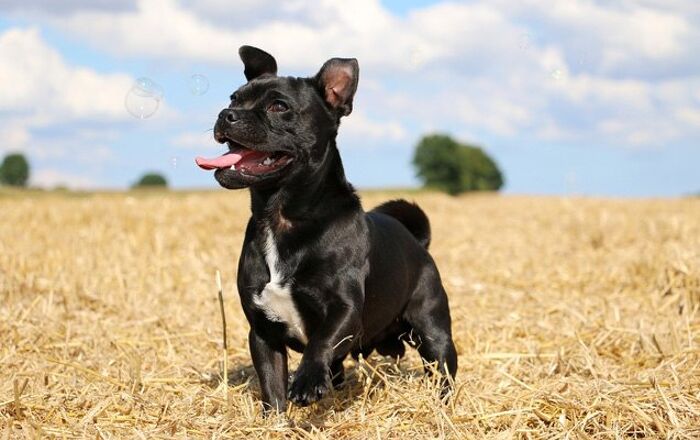
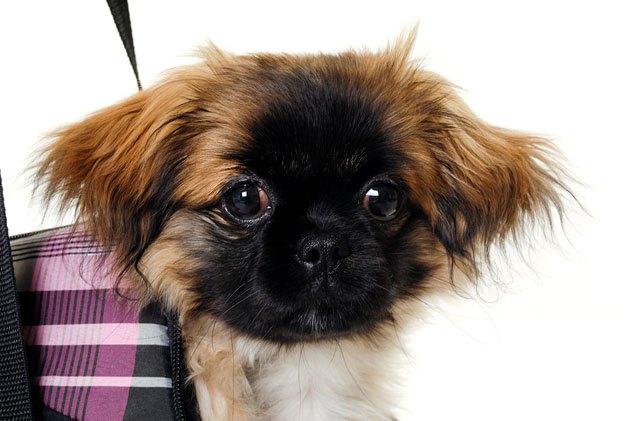
Cheeks, also known as Pek-A-Chis or Pekachi, are a hybrid between a Chihuahua and a Pekingese. These dogs make fantastic family pets, as they do well with children and seniors, and are low maintenance. The breed can vary in appearance, looking more like a Pekingese or a Chihuahua depending on the lineage.
They are relatively low energy and don’t mind being left alone – making them ideal for a busy person who doesn’t have time to take their dog running every day.
Cheeks, also known as Pek-A-Chis or Pekachi, are a hybrid between a Chihuahua and a Pekingese.
Origin
The exact origin of the Cheeks is unknown because they have been bred for years as mixed breeds. It isn’t until recently that they have been considered a designer breed.
Pedigree

The Cheeks are a mix between a Chihuahua and a Pekingese. Further down the breeding lines Cheeks who are second and third generation can be found – meaning both parents were cheeks. They can look more like a Chihuahua or more like a Pekingese depending on their breed line. Some have long hair, while others have short, and they can be just about any color. That’s the beauty of the breed – no two look alike.
Food/Diet
Since Cheeks are so tiny, a grain free diet is recommended. A small breed formula packed with protein and lacking in fillers will help keep them happy and healthy. Omega 3 supplements will help keep their coat nice and shiny.
It’s important to get the Cheeks into a group puppy class as soon as you bring them home.
Training
Training can be difficult when it comes to the Cheeks, as both parent breeds have a tendency to be tough to train. It’s important to get your dog into a group puppy class as soon as you bring them home. They aren’t easy to potty train, and having some professional guidance is important.
While the breed can be social, they can also be very fearful if they aren’t socialized at a young age. A puppy class with supervised play time will help prevent these fears. The class will also teach the puppy Cheeks to listen and respect his owners. They can be obstinate when not trained.
Weight
Cheeks weigh between 3 and 9 pounds.
Temperament/Behavior
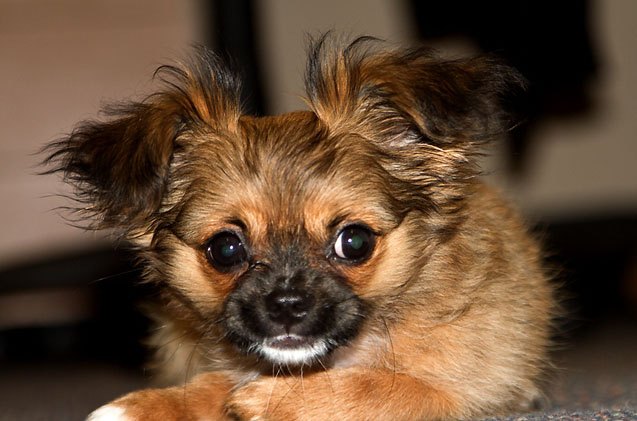
Cheeks are loyal, loving pets towards their owners. Without proper socialization they can become aggressive or timid in new situations and around new people. They do well around kids when both the dog and the child are supervised and taught how to interact properly.
He is not a good guard dog, and will be more likely to bark at the doorbell ringing than an intruder breaking in. They are not extremely active so they do well with busy people and families. They are not recommended for a first time dog owner, unless the owner has done research and knows what to expect. They need a confident parent to keep them from becoming fearful and protective.
Common Health Problems
There are no particular health problems for the Cheeks, but they can take on the health problems of either of the parent breeds. Chihuahuas are prone to joint problems, teeth problems and hypoglycemia. Pekingese are prone to back problems, allergies and eye problems. Most of these issues (especially the eye problems and allergies) are bred out when combining the two breeds. But keeping an eye on the Cheek’s joints and back and being careful while handling them will help keep them healthy.
Life Expectancy
The life expectancy of the Cheeks is between 10 and 14 years.
Exercise Requirements
Cheeks are relatively low maintenance dogs, and don’t require much exercise. One walk a day will suffice, along with some playtime. They need to be mentally stimulated to stay out of trouble, so obedience training and treat-dispensing toys are a good idea. They may be tiny, but some of them even love doing agility.
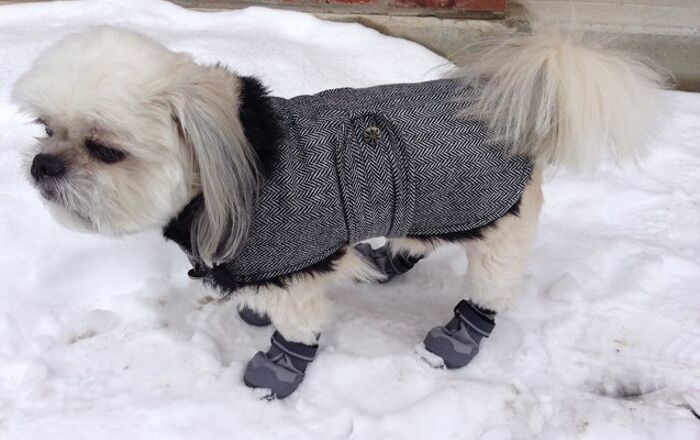
Their low energy makes them great for busy people, seniors, and apartment life. They don’t do well in extreme temperatures and will require a jacket in the cold.
Cheeks are loyal, loving pets towards their owners.
Recognized Clubs
The Chihuahua and Pekingese mix are not recognized by the AKC. However, this hybrid dog is recognized by the Dog Registry of America, Inc. (DRA), the Designer Breed Registry (DBR), the American Canine Hybrid Club (ACHC), the Designer Dog Kennel Club (DDKC), and the International Designer Canine Registry (IDCR).
Coat
The coat of the Cheeks will vary depending on the dog. It is always dense, but sometimes it’s short like the Chihuahua or long like the Pekingese. The colors can be black, blue, cream, red, white or a mix. The short-haired Cheeks require minimal grooming, whereas the long ones might require trims every now and then.
Puppies
Cheeks puppies are tiny little balls of fluff. They come in a variety of colors and their fur can be long or short. They need to be socialized immediately upon bringing them home to prevent them from being nervous as adults. Cheeks make a great family pet when brought up properly.
Photo credit: Kenny Williamson/Flickr; c-foto/Bigstock