Finnish Lapphund Basics
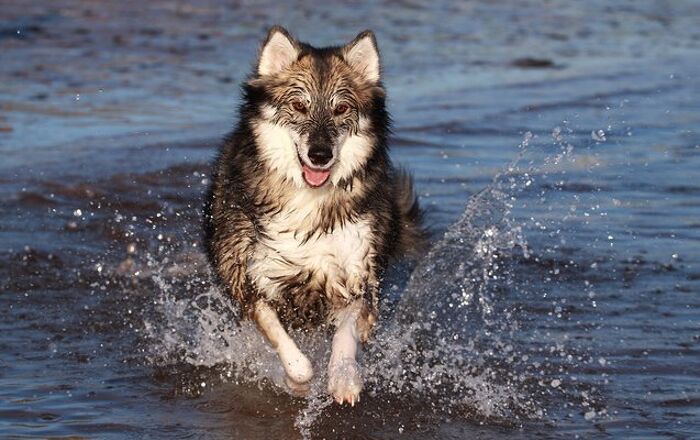
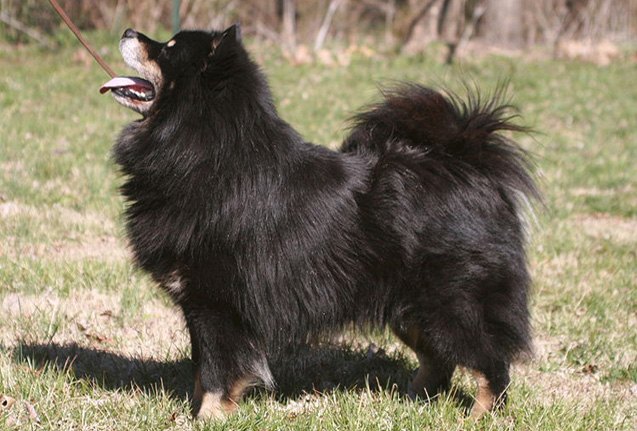
The Finnish Lapphund combines the physical characteristics of a typical Northern dog with the temperament and personality of a herder. Originally used to herd reindeer, these dogs are medium-sized and powerfully built. They have a thick double coat which insulates them from the harshest of weather conditions. In fact, Finnish Lapphunds are one of the only two dog breeds that owners are allowed to kennel outdoors during the winter in their native Finland.
The Finnish Lapphund combines the physical characteristics of a typical Northern dog with the temperament and personality of a herder.
Origin
It is believed that Finnish Lapphunds were created by the Sami, an indigenous group of people that still reside in areas divided between Finland, Sweden, Norway and Russia. Reindeer herding is an important aspect of Sami life and culture and the Finnish Lapphund was bred specifically for this purpose. However, it was the Swedes and Norwegians that first sought to standardize the breed prior to World War II.
The breed faced a steep decline immediately after World War II due to a serious outbreak of distemper. However, the breed was maintained by various Scandinavian kennel clubs.
Around the late 1960s, with the invention of the snowmobile the use of Finnish Lapphunds in herding started to decline sharply. The breed however remained widely popular among the Finnish, and even ranked 6th in a list of most popular companion animals in Finland.
Pedigree
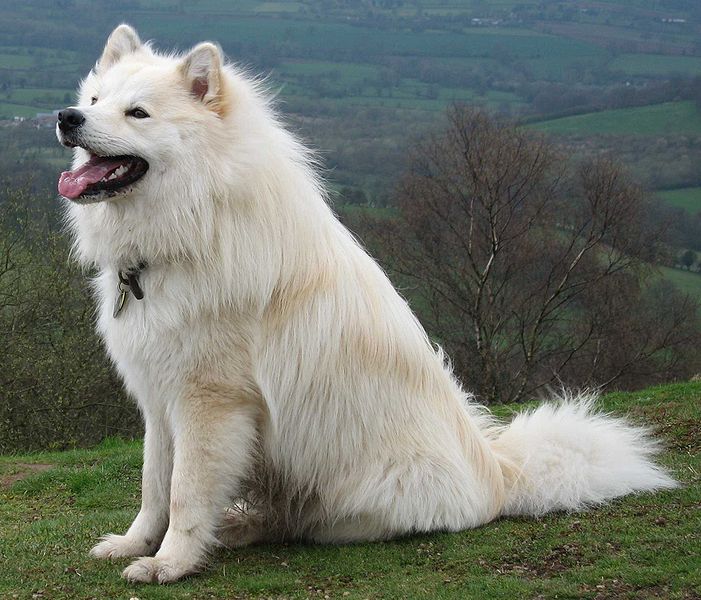
It is believed that the Finnish Lapphund is a direct descendant of the Lapponian Shepherd Dog.
Food/Diet
As with all working-type dogs, Finnish Lapphunds require a well-balanced diet fortified with essential vitamins and nutrients. They are greedy eaters and overfeeding can result in obesity.
Finnish Lapphunds are an extremely intelligent breed of dog and are eager to please.
Training
Finnish Lapphunds are an extremely intelligent breed of dog and are eager to please. This makes training them an extremely pleasurable task. Finnish Lapphunds often excel in obedience trials, herding and agility events. They do however tend to get bored quite easily, so it is recommended that training sessions be kept short and interesting.
Weight
Finnish Lapphunds weigh between 37 to 42 pounds.
Temperament and Behavior
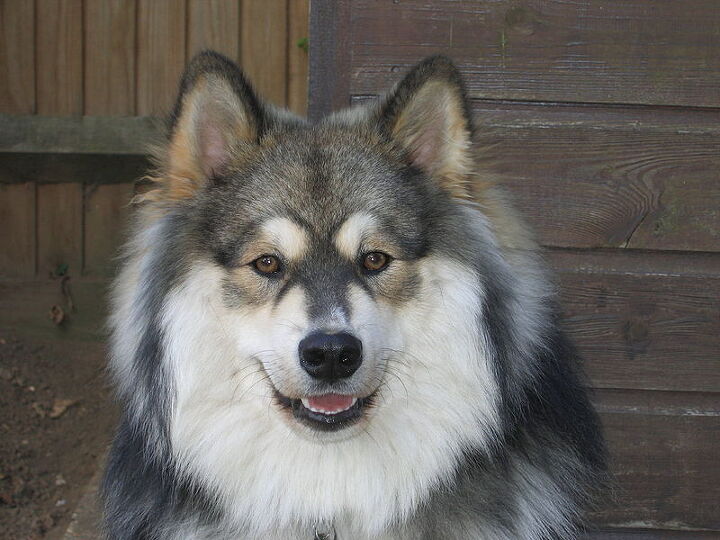
Finnish Lapphunds are loving and faithful, and make excellent companions for owners young and old. However, it is important that they receive sufficient mental stimulation as well as physical exercise so as to prevent any destructive behaviors that can occur as a result of frustration and pent up energy. They are at their happiest when able to exercise their natural herding instincts.
Finnish Lapphunds are also a very sociable breed of dog and gets along excellently well with children and other animals. They do however bark at unfamiliar people and this makes them fairly good watchdogs. That said, they are hardly ever aggressive and tend to avoid threatening situations.
Common Health Problems
Finnish Lapphunds are generally a very healthy breed of dog and do not suffer from a great number of hereditary ailments. They are however prone to eye problems like cataracts and GPRA, the latter which can cause permanent blindness.
Life Expectancy
Most Finnish Lapphunds enjoy a lifespan of 12 to 14 years.
Exercise Requirements
Finnish Lapphunds are a very high energy breed of dog and require regular, vigorous exercise. They should be exercised for at least an hour each day. They also make excellent hiking, jogging and running partners. It is important to note that Finnish Lapphunds are best suited for colder climates and can suffer from heat stroke in warmer environments.
Finnish Lapphunds are loving and faithful, and make excellent companions for owners young and old.
AKC
The Finnish Lapphund was recognized by the American Kennel Association in 2001.
The AKC also has this to say about the Finnish Lapphund: “The Finnish Lapphund is a medium sized breed that combines the look of the northern type dog with the temperament of the herding dog. Developed north of the Arctic Circle to live and work outside, the breed has a thick, profuse coat, allowing it to withstand extremely cold temperatures. The breed has a soft, sweet, expressive face which can be likened to that of a teddy bear. Coat colors can include black, blonde, brown, and tan, among other color and marking combinations.”
Coat
Finnish Lapphunds are seasonal shedders, and despite their copious coats, are quite easy to groom. Their coats should be combed and brushed at least twice a week.
Puppies
Finnish Lapphund puppies are almost sickeningly cute and extremely playful. They do however require early socialization with people and other animals to curb any aggression related issues later on in life.
Photo credit: Apdevries/Wikipedia