Groenendael Basics
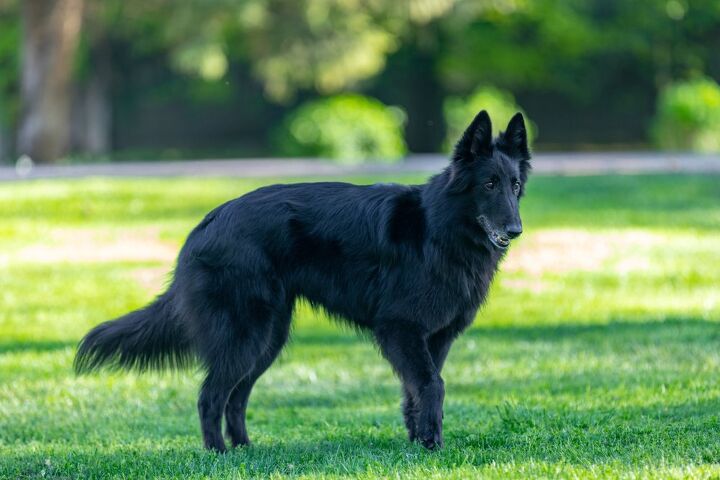
With his solid black coat, athletic build, and bright temperament, the Groenendael sets himself apart from other breeds. Developed for herding in Belgium, this breed of dog is very smart and trainable, but they do require an experienced dog owner who will maintain a firm and consistent hand in training. The Groenendael is a natural protective and territorial breed, but they can do well with children when properly socialized and they make good family pets as long as their exercise requirements are met.
With his solid black coat, athletic build, and bright temperament, the Groenendael sets himself apart from other breeds.
Origin
While the name Groenendael may not ring any bells, the name Belgian Shepherd might. The Belgian Shepherd is a medium- to large-sized herding breed that originated in Belgium during the 1800s. Foundation stock was gathered from several different areas which resulted in the development of four distinct varieties for the breed: Malinois, Tervuren, Laekenois, and Groenendael. The Groenendael can be distinguished from the other varieties by its long, double coat that typically comes in solid black. Though recognized as a separate breed in some non-FCI countries, the AKC currently recognizes the Groenendael under the name Belgian Sheepdog.
Pedigree
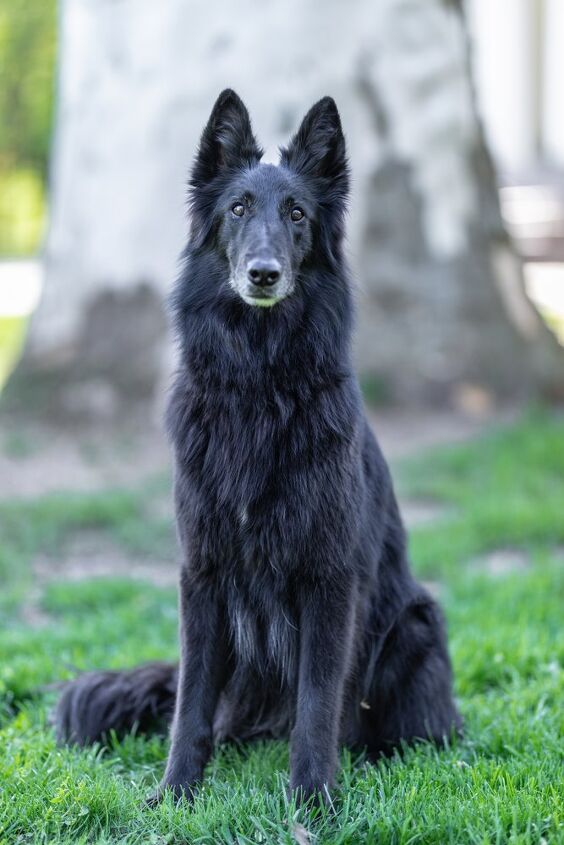
The Groenendael is one of four varieties of Belgian Shepherd and was developed from various herding breeds in the Groenendael region of Belgium including the Dutch Shepherd, German Shepherd, and the Briard.
Food/Diet
There are two things to consider when choosing a diet for your Groenendael. First, you must remember that he is a large-breed dog based on the fact that his adult size is over 50 pounds. Second, remember that he is a herding breed and therefore has high needs for exercise and energy. You should choose a high-quality large-breed dog food for your Groenendael or an active/working breed formula. As long as this dog gets adequate exercise, obesity shouldn’t be a problem.
The Groenendael is a highly intelligent breed that has the potential to respond very well to training.
Training
The Groenendael is a highly intelligent breed that has the potential to respond very well to training. These dogs do require a high degree of socialization, however, and it should be started at a very young age. While you might not be able to teach advanced obedience to your Groenendael puppy, you can still start with the basics very early on and then maintain a firm and consistent hand in leadership and training throughout the dog’s life. These dogs enjoy close interaction with family and may be more likely to bond with their trainer, but they can still do well as a family pet. When it comes to training, use plenty of positive reinforcement and try to keep the training sessions short and fun so your dog doesn’t lose interest and develop a habit of ignoring you.
Weight
The Groenendael is a medium- to large-sized dog, standing 22 to 26 inches tall and weighing 60 to 75 pounds. Females of the breed are slightly smaller than males.
Temperament/Behavior
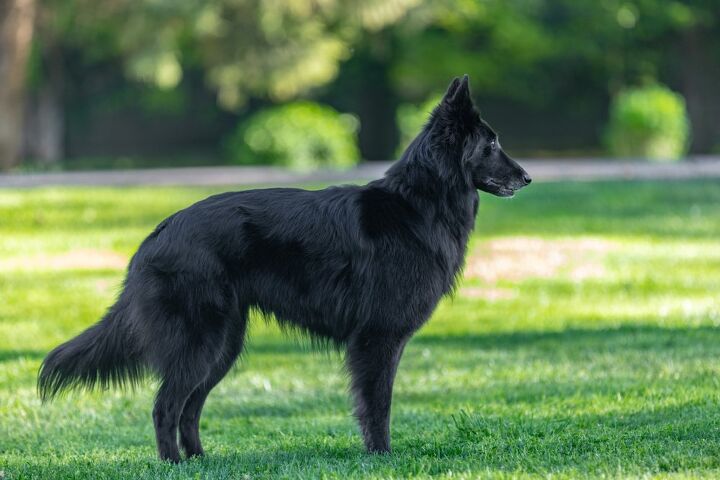
The Groenendael is an alert and sensitive breed – he always knows what’s going on around him and he can be very protective of his family and his territory. These dogs form very strong bonds with family and they can be very affectionate and playful as well. The Groenendael tends to get along well with other dogs and is generally friendly toward strangers – they also tend to do well with children. Keep in mind, however, that this breed has a very high prey drive so he may not be the best choice for a family with cats or other small pets. He doesn’t tend to bark or howl, but he will roam if he gets the chance to make sure your yard is fenced in.
Common Health Problems
As a larger dog, the Groenendael is prone to health problems such as musculoskeletal issues and bloat. This breed in particular may also be at risk for cataracts, epilepsy, thyroid disease, progressive retinal atrophy, and pannus.
Life Expectancy
The average lifespan for the Groenendael is 10 to 14 years.
Exercise Requirements
The Groenendael is a very active breed and he is likely to become destructive in the house if his daily exercise needs aren’t met. These dogs need at least an hour of moderate to vigorous activity on a daily basis and they will appreciate having a fenced yard in which to run and play.
The Groenendael is an alert and sensitive breed.
Recognized Clubs
The Groenendael is currently recognized by the AKC under the name Belgian Sheepdog.
Coat
The Groenendael has a thick double coat that comes in solid black. The undercoat is soft and fine while the outer layer is long and coarse in texture. The overall coat texture is thick, stiff, and tight – it is designed to withstand the elements. Though solid black is the primary coloration, some dogs have small white markings on the toes or chest. Frequent brushing is recommended for this breed to control shedding and to prevent the longer fur from matting.
Puppies
The average litter size for the Groenendael is 6 to 10 puppies. Because this breed can develop a tendency toward independence, it is recommended that you start puppies with training and socialization as early as possible. You should also make sure to feed your Groenendael puppy a large-breed puppy formula to prevent him from growing too fast. Overgrowth at a young age can predispose a dog to musculoskeletal issues in adulthood.
Photo credit: icemanphotos/Shutterstock