Foodle Basics
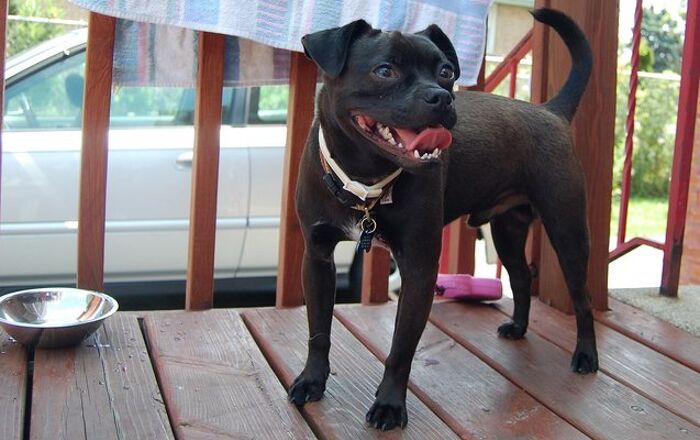
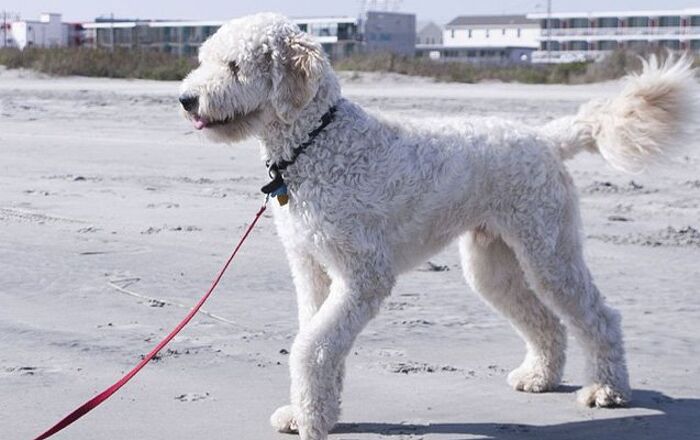
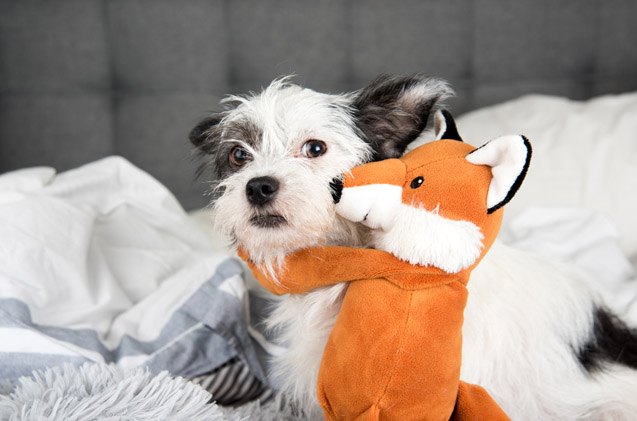
The spirited little Foodle brings the smarts of the fun-loving Miniature Poodle together with the alert and feisty nature of the Toy Fox Terrier for an active little family dog that loves to play, cuddle and take on the role of watchdog as he feels necessary.
The high energy little Foodle brings together the fun-loving Miniature Poodle and the feisty Toy Fox Terrier.
Origin
As a designer dog, the Foodle almost certainly dates back to the 1980s when breeders first begin mixing pure-bred dogs to produce puppies that carried the desired traits of both parent breeds – typically a healthier, smaller, hypo-allergenic or gentler form of a popular breed.
Pedigree

The Foodle is the off-spring of 2 different purebred dogs and therefore doesn’t qualify to join the American Kennel Club (AKC) however both parent breeds are long-time members; the Poodle joined AKCs “sporting” group in 1887 while the Toy Fox Terrier was named to AKC’s “toy” group as recently as 2003.
Food/Diet
The Foodle is a small but highly active dog and his food should be a nutrient-rich kibble that is suited to his age, size and activity levels. Because Poodles can run into digestive issues, look for a low-fat food and plan to feed him 2 to 3 times a day versus free-feeding in order to prevent him from overeating.
The Foodle is a loving, sometimes stubborn and always high energy dog.
Training
Foodles are highly intelligent little dogs that are quick to pick up commands. The Terrier in him means he will want to chase other small animals and if you’re bringing him into a multi-pet household, early socialization will be key to making it work. This pooch can become easily distracted so be patient and take a firm, consistent approach to his training. Rewards such as treats and loads of praise for a job well done will go a long way in reaching your obedience goals.
Weight
Your Foodle is just a little guy and will weigh no more than 9 to 13 pounds once he reaches adulthood.
Temperament/Behavior

The Foodle is a loving, sometimes stubborn and always high energy dog that needs to be kept active to prevent destructive behaviors such as barking and chewing. Loyalty to his family makes him a great non-aggressive watchdog – but not always the best choice for apartments. As a Terrier he is prone to chasing smaller animals if not properly socialized so off-leash situations will need supervision and homes with smaller pets should take note. Overall, he is a loving family pet who enjoys active playtime, cuddling up on the sofa with his human pack and long walks.
Common Health Problems
Designer dogs have usually been bred with an eye to eliminating many of the health issues that can often plague the purebred parents. Pet parents should always read up on what their new pup may inherit and in the case of the Foodle, that can include joint and digestive issues such as bloat as well as mitral valve disease of the heart.
Life Expectancy
You can expect your Foodle to live between 10 and 13 years.
Exercise Requirements
The Foodle is non-stop action on four legs. Expect to devote at least 60 to 90 minutes a day to walking or running with your pooch to keep him physically fit and mentally stimulated. He excels at agility so a tossed ball or Frisbee in your yard or a dog park will keep him happy however his Terrier DNA means he may be quick to take off after squirrels, rabbits or other small animals so ensure any leash-free space is fully fenced.
The affectionate Foodle loves active playtime, snuggling with his human pack and long walks.
Recognized Clubs
The Foodle is also known as the Foxipoo, Toy Foodle, Toy Foxpoo and Toy Foxdoodle and while his mixed breed status means he doesn’t qualify to be a member of the American Kennel Club, he is recognized by the American Canine Hybrid Club (ACHC), Designer Breed Registry (DBR), Designer Dogs Kennel Club, (DDKC), Dog Registry of America, Inc. (DRA) and the International Designer Canine Registry (IDCR).
Coat
The Foodle’s coat can be either short, thick and curly like the Poodle or thin and wiry like the Fox Terrier. Either way, he will be a low- to non-shedding dog that needs brushing just 2 to 3 times a week to keep his coat matt- and tangle-free. If more Poodle, a trip to the groomers every 2 to 3 months will be needed and because he is a floppy eared dog, weekly ear cleaning is a must to prevent infection. Foodles can be susceptible to skin conditions so bathe only as necessary and using only shampoos designed for a dog.
Puppies
Foodles will grow to be small but spirited dogs who will need socialization and obedience training early on to ensure he obeys commands and can co-exist with other animals and people. This tiny pup can also be prone to joint issues so ensure he is handled carefully and that playtime doesn’t injure vulnerable joints and limbs. They are known to have a fairly strong bite, so the purchase of sturdy chew toys is recommended.
Photo credit: Anna Hoychuk/Shutterstock; Mila Atkovska/Shutterstock; Elya Vatel/Shutterstock