Golden Akita Basics
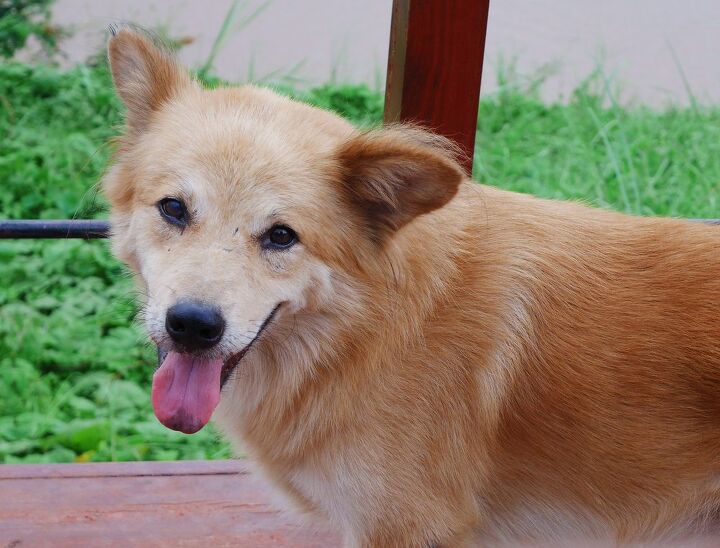
The protective Golden Akita is the result of crossing the gentle, easy-going Golden Retriever with the rather territorial Akita and results in a dog that is great with kids and other animals when socialized. This pooch has a strong sense of loyalty and his protective nature makes him a great watchdog.
The loyal, protective Golden Akita brings the easy-going nature of the Golden Retriever together with the territorial traits of the Akita.
Origin
The Golden Akita comes from crossing the Golden Retriever that goes back to mid-1800’s America and the Akita that dates to 15th century Japan. Of note, it was deaf-blind author Helen Keller who brought the first Akita to the United States. And although he has an impressive lineage, the Golden Akita himself goes back just 30 years or so to when designer dogs first surfaced. Breeders were trying to develop dogs that were free of many of the health issues experienced by their pure-bred parents or for smaller, gentler or hypo-allergenic variations on popular breeds.
Pedigree

While the Golden Akita isn’t eligible to join the American Kennel Club (AKC), both his parent breeds are long time members. The Golden Retriever joined the “sporting” group back in 1925 while the Akita became a member of the “working” group in 1972.
Food/Diet
The Golden Akita is high energy and will need a nutrient-rich kibble that meets his needs related to age, size and activity level. Plan to feed him 2 to 3 smaller meals throughout the day versus allowing him to free-feed and always opt for a food that is free of fillers that will make him want to overeat to feel full. This pooch can inherit an issue with bloat so always make sure that activity isn’t planned for sooner than 1 hour after eating.
This loyal and loving family dog brings the gentle disposition of the Golden Retriever and the more territorial character of the Akita.
Training
The Golden Akita comes from two very smart breeds that are known to pick up commands quickly. The Akita side of this dog does bring a willful nature which can require patience when training. Early socialization is imperative with this big boy as he can pick up territorial traits which makes him hard to handle at dog parks or with other pets. As with any dog, a firm, consistent approach to training with rewards and praise for a job well done will go a long way in getting the best results.
Weight
When grown, the sturdy Golden Akita will weigh between 70 and 90 pounds.
Temperament/Behavior
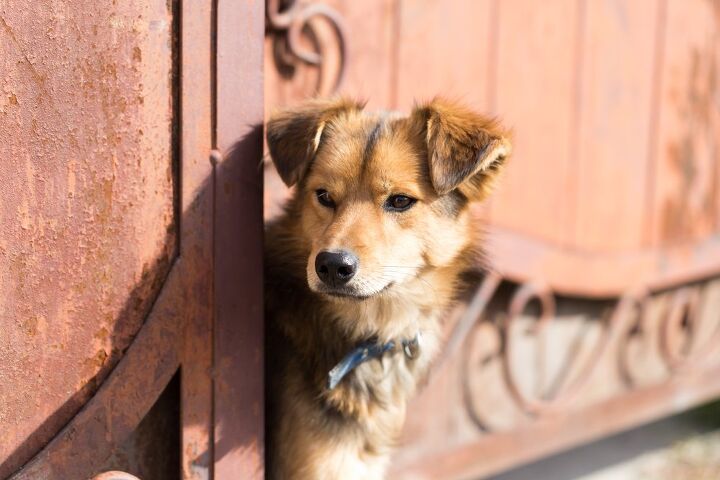
This loyal and loving family dog brings the gentle disposition of the Golden Retriever and the more territorial character of the Akita. He is cautious around new faces and can become overly protective which is great for a watchdog but requires socialization in order keep it in check. He is a patient dog that gets along with kids and is comfortable with others dogs and pets in the home with appropriate training. While he can inherit the Akita’s stubborn streak it is often tempered by the eager-to-please Retriever and ultimately results in an intelligent, affectionate companion dog.
Common Health Problems
Although the Golden Akita is considered a healthy dog, its important to always be aware of what your new pup could inherit from his parents. With the Golden Akita, that can include joint issues including hip dysplasia, bloat, skin conditions such as dermatitis and certain forms of cancer.
Life Expectancy
The Golden Akita will typically live between 10 and 12 years.
Exercise Requirements
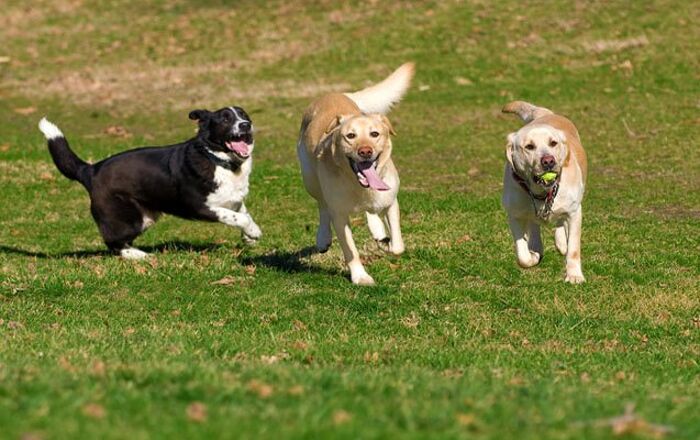
Lace up your runners because the Golden Akita is a highly active dog. Long daily walks are a must and should be of a higher intensity – think jog or slow run. Letting him run at his own pace in a dog park is a great way for him to burn off extra energy and socialize with other animals. The Akita side of this dog can be aggressive toward other animals if not properly socialized, so be aware and keep the leash handy in case of encounters.
The Golden Akita is a great family dog although he can be overly cautious with new faces and other animals.
Recognized Clubs
The Golden Akita isn’t a member of the American Kennel Club (AKC) however he is recognized by the Designer Breed Registry (DBR).
Coat
The Golden Akita is a heavy-shedding dog that will require brushing at least 2 to 3 times per week to keep the flying fur in check. Because he has sensitive skin and is prone to dermatitis, bathing should only be as absolutely needed and additional brushing would be a better alternative to keep his coat clean and free of debris. Particularly if he inherits the Golden’s floppy ears, plan to inspect and clean weekly to prevent potential infection.
Puppies
This little guy will grow to be a large, athletic dog who can be willful and have territorial issues if not curbed early on. Plan to socialize him at a very young age and because he is a smart dog, begin his obedience training at the same time.
Photo credit: Maximilian100/Shutterstock; Kotchaporn Kuha/Shutterstock; schankz/Shutterstock