Helping A Child Cope With A Loss Of A Pet

Published A Few Days Ago
ADVERTISEMENT

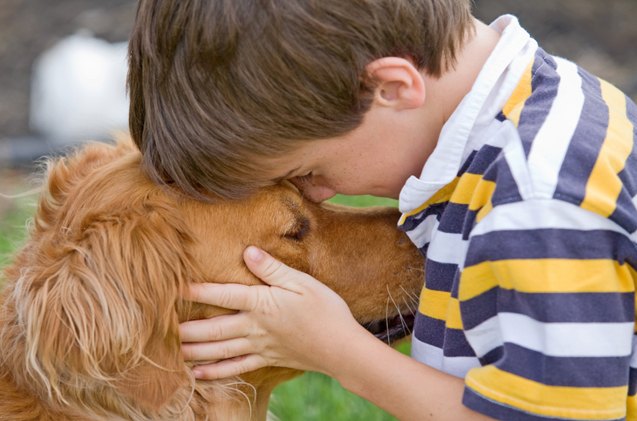
Losing a pet is hard on the whole family, no matter the circumstances. Children are often especially burdened by the loss of a pet as death is hard for them to understand. This type of a loss can be one of the most traumatic events in a child’s life. Make sure to take the proper precautions and to allow your child a safe space to work through their grief.

What Not to Do:

    Related:Dealing With The Death Of Your Dog

    The Grieving Process

    One of the first things you can do following a loss is to consider having a memorial service. A funeral can allow family members to express their feelings, and assist in closure. While this may not be appropriate for every family, it can be very beneficial for healing, and something to consider for your child.

    When it comes to your child, always allow the child to feel their emotions. Allow them to be angry, sad, hurt, or scared. Emphasize to them that having these emotions is normal, and it’s okay to feel them. While you may want to distract them from these feelings, the only way for them to heal is to acknowledge the pain first.

    The death of a pet can bring a lot of scary thoughts into a young ones life; they may also worry about you, or other friends or family members dying, discuss these fears with your child, so that they aren’t left to wonder. Make sure to also let the child know that it wasn’t their fault. Children oftentimes blame themselves or other family members for the death, which is an unhealthy behavior.

    Related:Top 5 Things NOT To Say When a Friend’s Pet Dies

    As your child is grieving, they will also be following your lead. They will be looking at you to see how you are handling the loss. Take note of that, if you are manic or depressed, a child will act similarly. Allow your child to see you grieve, but also exercise a certain amount of decency if you are heavily affected by the loss.

    How to Help

    Allow your child a listening ear; let them know you are there if they would like to talk about the pet, or the situation. If your children are older, encourage them to talk to their friends too, to see if they have friends in similar situations that can emphasize with the loss.

    Encourage your children to still go outside, play, and maintain a semi-normal life. Don’t allow a child to sit in his room all day and sulk, as this is an unhealthy behavior. Encourage your child to write, draw, or create a memo about your pet. If you have pictures of your pet, allow your child to keep them to remember the pet by.

    No matter the age of family member or pet, the loss of a pet isn’t easy for anyone involved. Make sure to be sensitive to your child’s needs, and allow your family time to grieve the loss before considering adopting a new animal, and always make sure to keep a piece of the old pet in your heart.

    ADVERTISEMENT

    ADVERTISEMENT

    ADVERTISEMENT

    You May Like

    German Wirehaired Pointer

    Loving, easily trainable, independent, amiable, and responsive - all of these things describe the German Wirehaired Pointer. Read on to find out more.

    Skye Terrier

    With a long, flowing coat, people tend to underestimate the feistiness of the Skye Terrier. They are happy living in apartments, condos, homes or estates.

    Cane Corso

    Nobel and brave, the Cane Corso is strong in mind, body and conviction. His intelligence makes him the perfect candidate for obedience training.

    Central American Wood Turtle

    The Central American Wood Turtle (also known as the Ornate Wood Turtle) is a popular pet. These turtles are intelligent and personable.

    Goldenapso

    The friendly Goldenapso brings together the gentle nature of the Golden Retriever and the mischievous personality of the Lhasa Apso.

    Tan Rabbit

    The Tan rabbit is one of the few ARBA-accepted breeds that has a fully arched body. Its friendly nature makes it an excellent pet for a variety of owners.

    Vizsla

    Gentle, sensitive, and affectionate, Vizslas are a wonderful breed for a family. Silky and muscular, the average-sized Vizsla is a rare breed.

    Corgidor

    The Corgidor is a cross between a purebred Labrador Retriever and Corgi. Corgidors make great family pets because they are loving and happy companions.

    Bassugg

    A mix of Basset Hound and Pug, the Bassugg is a friendly, loveable pooch that''s ideal for couples, singles or families looking for their first dog.

    Formosan Mountain Dog

    More commonly known as the Taiwan Dog, the Formosan Mountain Dog is a small landrace indigenous to Taiwan and needs an experienced owner.

    Injectable Antibiotics for Cats: Pros and Cons

    If you cat is sick, you may be told that you should give her an injectable antibiotic. But is it safe? Here''s what you need to know.

    It’s All Greek Yogurt To Me Dog Treat Recipe

    One of my favorite snacks is Greek yogurt. Smooth, creamy and rich, Greek yogurt is a taste of the Mediterranean you can enjoy in the middle of the day.

    Winter Training Tips: Getting Started In Skijoring

    Skijoring is a team sport. You and your dog work together to get around a trail, tour the back country or glide across the snow on your local golf course.

    Majorca Shepherd Dog

    The Majorca Shepherd Dog is a Spanish breed developed for shepherding cattle and is often used as an all-purpose farm dog.

    Norwegian Buhund

    Boasting Viking heritage, the Norwegian Buhund is brave, loyal and fearless. These protective instincts make him a trusted watchdog and companion.