Drever Basics
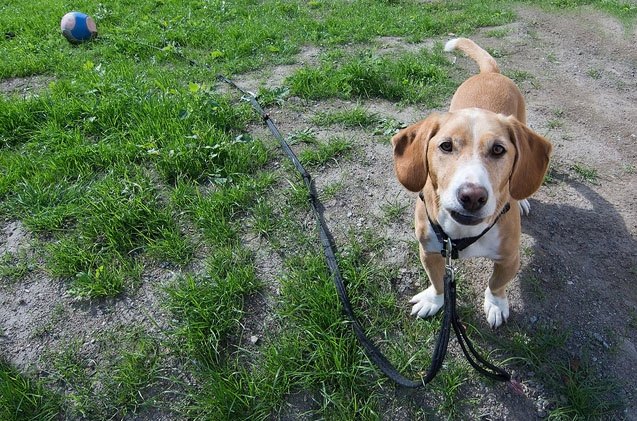
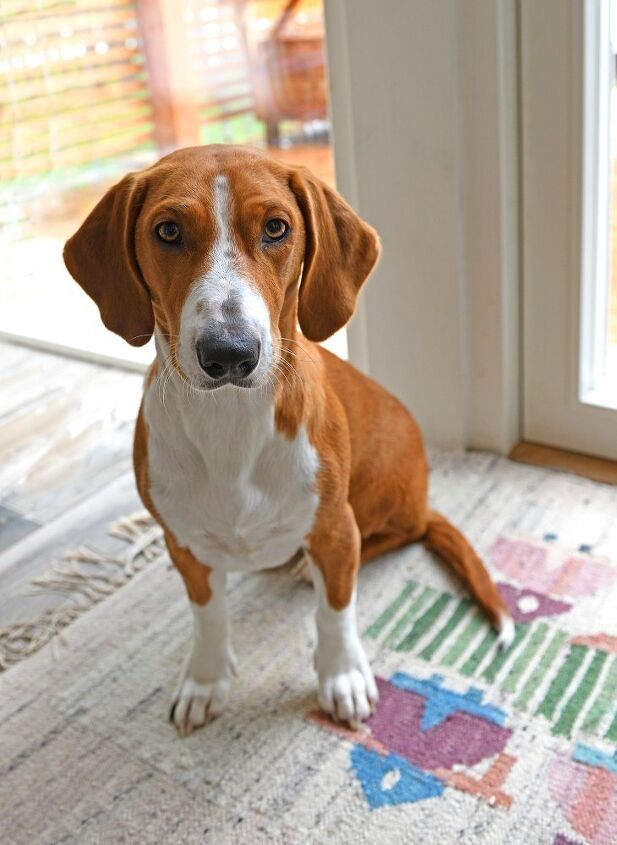
When you see the Drever for the first time, you may not think much of him. He is a medium-sized dog with short legs – not the kind of dog you would expect to have great stamina. But the Drever is a talented hunting dog known for his keen nose and strong work ethic – he is also known for his particular talent in tracking deer.
The Drever is a talented hunting dog known for his keen nose and strong work ethic.
Origin
The Drever is technically a smaller version of the Westphalian Dachsbracke. The Westphalian Dachsbracke was developed from the Deutsche Bracke, an ancient German scenthound that was developed from various Bracke-type dogs and local German hounds during the 18th century. The Deutsche Bracke was officially named in 1900, up until which point the Westphalian Dachsbracke was still considered a German hound. It was recognized by the FCI in 1935, though there were still two distinctive sizes for the breed. The smaller version of the Westphalian Dachsbracke was given the name Drever and was recognized by the Swedish Kennel Club in 1947.
Pedigree
The Drever was developed from the Westphalian Dachsbracke after it was brought from Germany to Sweden in 1910. It was also crossbred with other Swedish hounds.
Food/Diet
As a small to medium-breed dog, the Drever should be fed a high-quality dry food formulated for dogs of its size. This is a hunting breed, so he may respond well to an active or working breed formula. You still need to be careful about overfeeding, however, to prevent obesity.
The Drever is a smart and trainable breed with great stamina and determination.
Training
The Drever is a highly skilled hunting breed, known for its aptitude in tracking hares and roe deer. It has also been used to track fox and larger red deer. This dog is a talented scenthound and has a great deal of stamina – it also has a strong work ethic. This breed is almost exclusively kept as a working dog, though it may adapt to family life in some cases as long as its need for exercise are met. These dogs are intelligent and respond well to training, though they do require a firm hand in leadership. This breed can do well as a watchdog, though their short stature is not particularly threatening.
Weight
The Drever is a medium-sized dog, standing 13 to 15 inches tall and weighing anywhere from 30 to 35 pounds at maturity. Males of the breed tend to be larger than females.
Temperament/Behavior
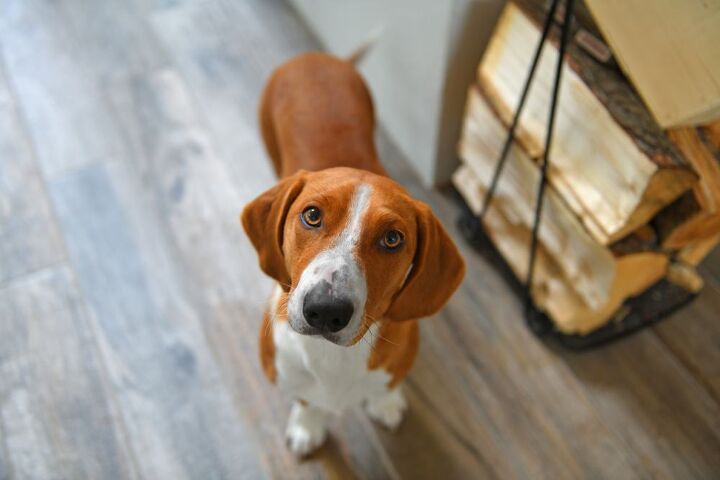
The Drever is almost exclusively kept for hunting, so it is a smart and trainable breed with great stamina and determination – these dogs may also have a bit of a stubborn side. Though this breed is usually kept for hunting, its temperament is amenable to family life. These dogs have the potential to form strong bonds with family and many owners would classify the breed’s personality as sweet. This breed does require plenty of early socialization and training, especially if you want him to get along with children and other household pets. This breed can be a bit independent at times, but they are never aggressive.
Common Health Problems
The Drever is a healthy breed, as evidenced by its average lifespan of 13 to 15 years. This breed is generally regarded as healthy, though there are few health studies to either prove or disprove this fact. It is worth noting that the Drever is bred almost exclusively for its working ability, so any health defects would be quickly eliminated. This breed has been shown to develop musculoskeletal problems in some cases as well as various eye problems.
Life Expectancy
The average lifespan for the Drever is between 13 to 15 years.
Exercise Requirements
As a hunting breed, the Drever has fairly high needs for exercise. Despite their short stature, Drever dogs have excellent stamina and they love having a job to do. This breed requires a long daily walk and will also appreciate having a fenced yard in which to play.
The Drever is a highly skilled hunting breed, known for its aptitude in tracking hares and roe deer.
AKC
The Drever is not currently recognized by the AKC but it is part of the Foundation Stock Service. The Drever has been classified in the Scenthound group by the UKC and the Scenthound group (Group 6) by the FCI. It is part of Group 2 for the Canadian Kennel Club.
Coat
Like many scenthounds, the Drever has a short, harsh coat. This dog’s coat is a little longer than most scenthounds and the length is uniform over the entire body, but slightly longer on the back, neck, and rump. Color is not the most important characteristic for this breed but there is a requirement for white markings on the chest, neck, face, and feet. As long as these markings are there, the coat can be any color or combination of colors.
Puppies
The average litter size for the Drever breed is 3 to 6 puppies. Because this is a fairly small breed, puppies grow to reach their maximize size quickly. This is why it is important to feed your puppy a high-quality puppy food formulated for small or medium breed puppies. Puppies should also be started with socialization and training from an early age.
Photo credit: ArtesiaWells/Bigstock; Popova Valeriya/Shutterstock