Istrian Shorthaired Hound Basics
If you are looking for a dog that does well as a house pet, the Istrian Shorthaired Hound is probably not the best breed to consider. This breed has excellent hunting skills and a unique appearance, but it was developed to work in the field and needs a great deal of daily exercise.
The Istrian Shorthaired Hound is a hunting dog, not a household pet.
Origin
The Istrian Shorthaired Hound is of the European hound type, though the exact details of its development are unknown. Images resembling this hound have been seen as early as 1497, and other dogs of the same type are mentioned in recordings from 1719 and 1859. The breed is closely related to the Posavaz Hound and the Istrian Coarse-haired Hound; the Istrian Shorthaired Hound and the Istrian Coarse-haired Hound are thought to be the oldest hound breeds developed in the Balkan region. The first studbook was established in 1924 and the breed was recognized by the FCI in 1949. In its homeland of Croatia, the Istrian Shorthaired Hound is kept for hunting rabbit and fox – it is generally not kept as a pet.
Pedigree
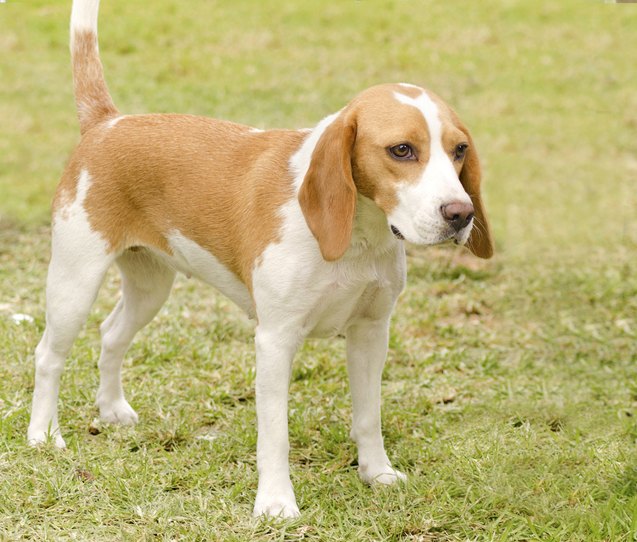
The Istrian Shorthaired Hound is descended from hounds of the Balkan region and closely related to the Posavaz Hound and the Istrian Coarse-haired Hound. It is thought to have been developed by using the French Griffon Vendeen as part of its breed stock.
Food/Diet
As a medium-sized dog, the Istrian Shorthaired Hound should be fed a high-quality dry food formulated for large breeds. The Istrian Shorthaired Hound is also a hunting breed, so he may respond well to an active or working breed formula to provide for his high energy needs.
Istrian Shorthaired Hounds are highly intelligent and agile working dogs.
Training
The Istrian Shorthaired Hound is a highly intelligent and agile working breed. These dogs were developed for hunting and they have excellent stamina and strong hunting skills. This dog loves to be out in the field and responds well to commands, though he can sometimes get caught up in the hunt and may not always respond immediately. This dog requires a firm and consistent hand in leadership – he will take advantage of an owner who is not authoritative. This dog is not recommended for inexperienced dog owners.
Weight
The Istrian Shorthaired Hound is a small to medium-sized dog, standing 18.5 to 19.5 inches tall and weighing an average of 40 pounds at maturity. Males of the breed tend to be a little larger than females.
Temperament/Behavior
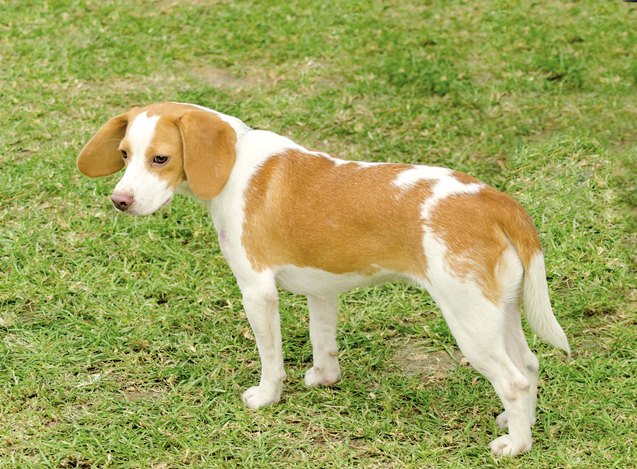
The Istrian Shorthaired Hound is a smart and trainable dog, but it is generally not recommended as a house pet. This breed was developed to hunt, and that is what it is best at. These dogs tend not to do well with children and they have a high tendency to chase cats and other household pets, though early socialization and training may help to reduce these behaviors. As far as temperament goes, however, this hound is a calm and even-tempered breed. This dog is devoted to his owner and lively in the field.
Common Health Problems
The Istrian Shorthaired Hound has a fairly long lifespan befitting a dog of its size and is relatively unbothered by major health problems. As a hunting breed, this dog may be prone to field injuries and, due to his drop ears, may also be prone to ear infections.
Life Expectancy
The average lifespan for the Istrian Shorthaired Hound is between 12 and 15 years which is average for a dog of its size.
Exercise Requirements
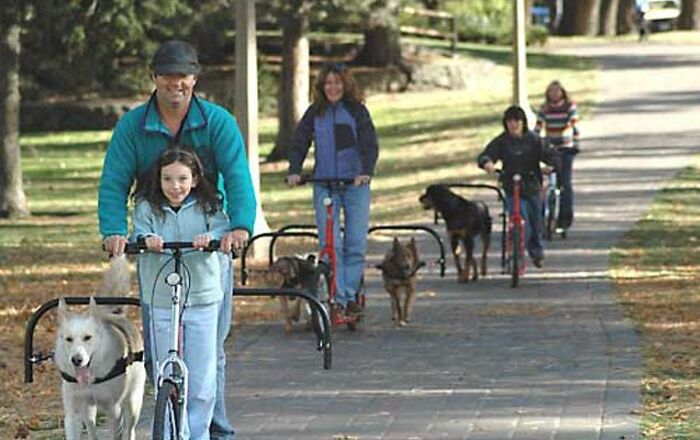
The Istrian Shorthaired Hound is an active and energetic breed that requires a lot of daily exercise – that is one of the many reasons this breed isn’t recommended as a house pet. These dogs require a long daily walk and need plenty of outdoor space to run as well.
The Istrian Shorthaired Hound is a calm and even-tempered breed.
AKC
The Istrian Shorthaired Hound has not yet been accepted by the AKC but it is a member of the Scenthound group with the UKC and part of Group 6 (Scenthounds) for the FCI.
Coat
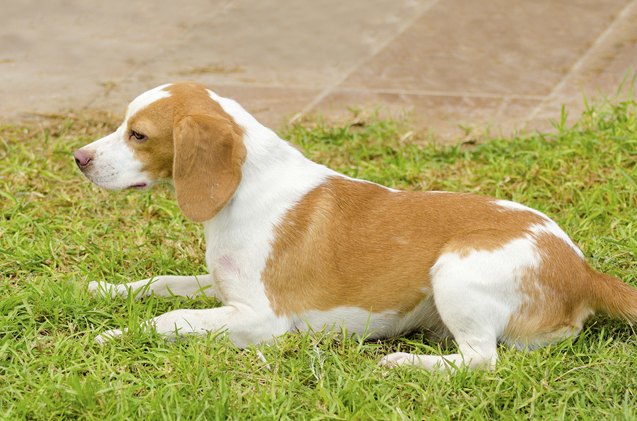
Like many hounds, the Istrian Shorthaired Hound has a short, hard coat with a smooth and glossy texture. The primary color for this breed is white with random patches of red-orange fur. These dogs have the typical muscular hound body with long legs, a broad head, and drop ears. Because its coat is short and smooth, this breed doesn’t require much coat maintenance – occasional brushing is adequate to reduce shedding.
Puppies
The Istrian Shorthaired Hound has a large litter size of 8 to 14 puppies. Puppies are born with short coats that become coarse over time. Because it is a hunting breed, early training is recommended to develop the breed’s skills. If you plan to keep the Istrian Shorthaired Hound as a house pet, early training and socialization will be even more important to ensure that the dog gets along with children and other household pets.
Photo credit: f8grapher/Bigstock