Kakariki General Info
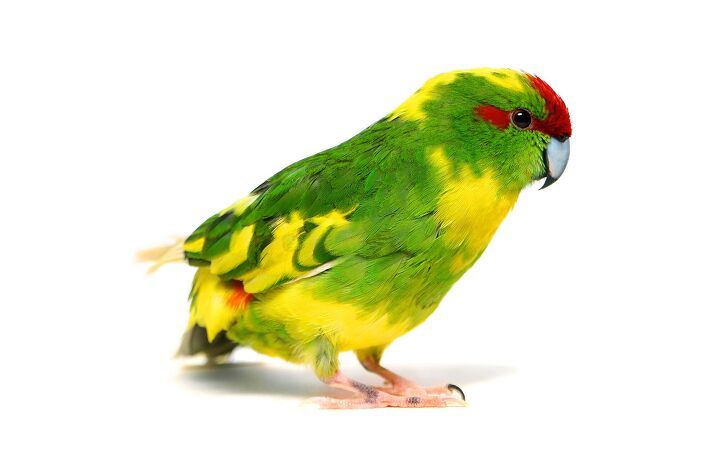
Are you ready to fall in love? If the answer is yes, then allow us to introduce Kakariki! These cute and goofy little parrots are a ton of fun. They are also known as the Red Crowned Parakeet, but this name is rarely used. These are parrots with a rich history and a lot of popularity around the world. Kakariki has all the traits you’d want in a pet parrot- fun, friendly and smart. These cute birds will also surprise you with their ability to talk and learn tricks.
Did you know that their name, Kākāriki, is a Māori word, meaning “little parrot”? They are a part of Māori legends.
Native Region/Natural Habitat
The Kakariki and its several subspecies are all native to New Zealand. They are also seen on nearby small islands, such as the Kermadec, Chatham, and Auckland islands. They thrive in the varied regional habitats, mostly the open areas – the scrubland, grasslands, and forests. Although stable and of least concern, the Kakariki once suffered from habitat loss and being hunted for food. Their main threats became rats and possums – introduced predators. Today they are a protected species and numbers are steadily rising.
Overall Description
These are nimble and attractive parrots, with a couple of very distinct features. As they are truly an unusual breed in the world of parrots, the Kakariki have more than enough one-of-a-kind traits. Their chubby body and unique face will make for easy recognition. The adults reach an average length of 11 inches (27 centimeters) and can weigh up to 4 ounces (113 grams). Almost a half of their overall length is made up of a long and tapered tail. Although they look a bit chubby, they are robust and hardy birds, with strong beaks. The females are slightly smaller.
Speech and Sounds
These intriguing little parrots are full of surprises, and their vocal abilities will leave you speechless. Although not really noisy, they do produce a lot of cute sounds. Whether it is soft goofy mumbling, remarkably talented talking, or just simple mimicry, the Kakariki will always put a smile on your face. They have the talent to learn new words incredibly quickly, so you can always expect something new. When playing by themselves, the Kakariki will chatter softly and mumble to itself. These little goofy conversations will melt you!
Colors
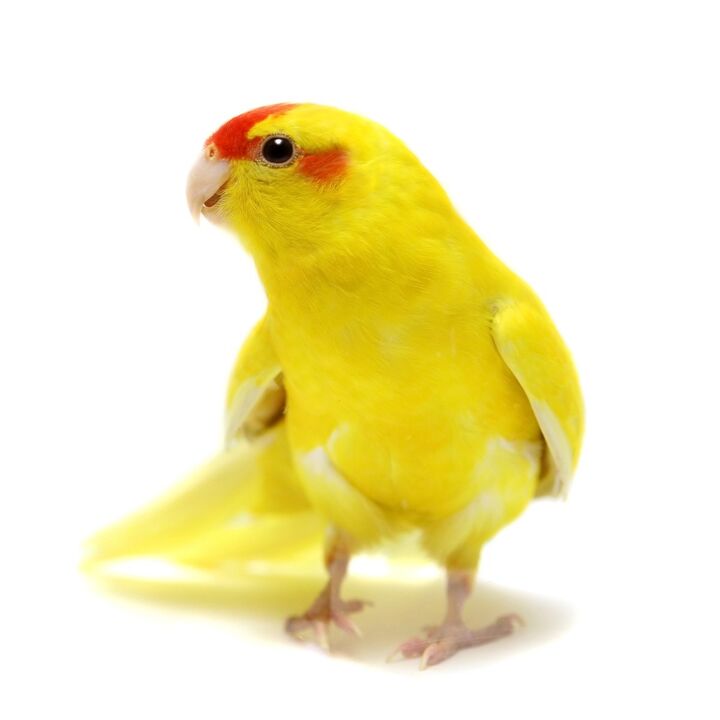
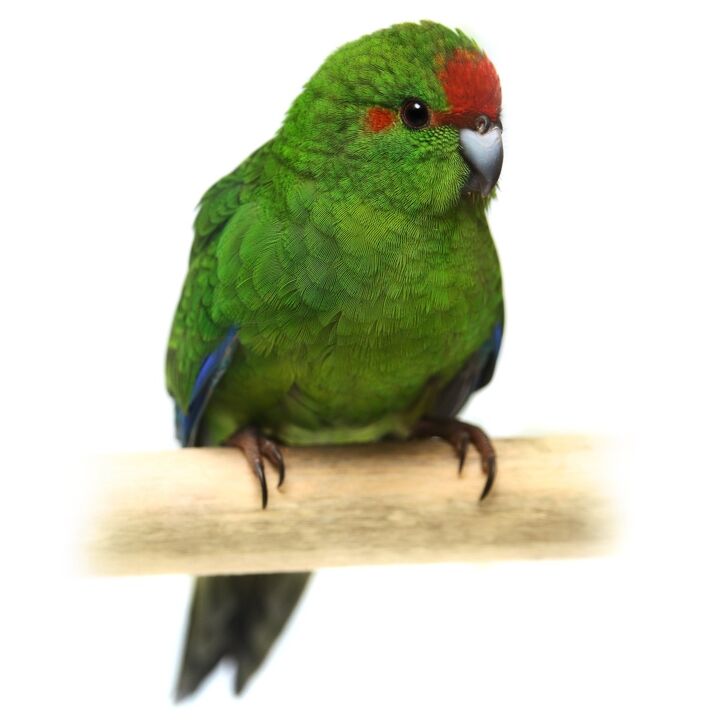
A Kakariki is a parrot of simple colors, but pretty nonetheless. In aviculture, breeders offer a few color mutations which give you a greater variety and just make these parrots even lovelier. The body is mostly a dim, tropical green, with slightly lighter, airy tones on the chest. The primary flight feathers are blue. On their forehead is a bright red patch, giving them their scientific name – the Red Crowned Parakeet. A small red circle on the cheeks gives that familiar, “blushing” detail, and makes for an even cuter bird. One of the more popular variants of Kakariki on the pet market is the yellow mutation. This dramatic and vibrant look truly suits these lovely pet parrots.
Don’t be confused by Kakariki’s varying looks – these birds come in several different color combinations.
Care and Feeding
The mainstay of their wild diet consists of grass seeds, flowers, leaves, and fruits. For your pet, a commercial small parrot seed mix will work best. To give them a necessary supplement of calcium, experts recommend a cuttlebone. They also come in a form of a perch – it acts as a toy and an important supplement at the same time.
Kakariki parrots LOVE baths. You can fill up your sink with a few centimeters of water and offer your sparky pet a well-deserved bath. The way they flap their wings and go nuts in a bath will leave you laughing.
Health and Common Conditions
The Kakariki doesn’t have a very long lifespan, 10 to 15 years, but they are nonetheless hardy and healthy birds. Keep in mind that these are parrots with a lot of energy and a great love of flying. You will need to give them plenty of room to ensure optimal health. Free flight around the house is encouraged and will create a deeper bond between you and your little pet.
A Kakariki pet is a true joy to have around. Their friendly personality makes them wonderful companions!
Personality & Behavior
These parrots are popular for a reason. With their goofy behavior and cute looks, Kakariki is easy to love and have so much to offer to any owner. Their silly tricks and lively attitude are very similar to breeds like Budgies and Cockatiels. Talking to themselves in the mirror, mumbling away in some cute and unknown parrot-chatter, or simply playing with toys, the Kakariki will never fail to bring a ton of fun into your everyday routine. In time, they can become quite affectionate and bond closely with their owner.
Photo credit: Rosa Jay/Shutterstock