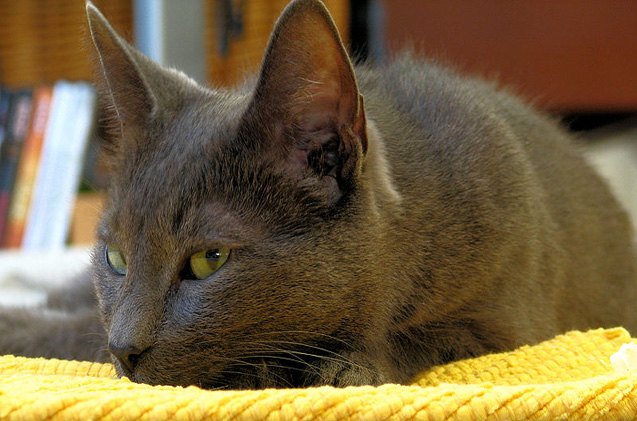
Korat

Published A Few Days Ago
ADVERTISEMENT
fast facts

About Korat

Weight
5-11 lb
Physique
Heavy, semi-cobby body
Lifespan
10-15 years
Best Suited For
Families with older children, well-behaved dogs, singles
Temperament
Active, playful, affectionate, intelligent
Comparable Breeds
Devonshire Rex, Somali
Height
10-12 inches
ADVERTISEMENT

Korat Breed History

The Korat cat originated in Ampur Pimai in the Korat region of Thailand, and is the national cat of Thailand today. The first reference to the breed is in the Smud Khoi of Cats, a book of poetry, which names seventeen “good luck” cats including the Korat. The breed is mentioned in other manuscripts from the period 1350 to 1767, and modern Korats look very much like their ancient ancestors. Owning a Korat is still considered to be good fortune in Thailand today, and the cats are often presented as gifts to newlyweds. The breed came to the United States in 1959, and the Cat Fanciers’ Association recognized the Korat in 1967. Today the breed is recognized by all the U.S. registries, although Korats are still relatively rare and confined to a dedicated breeder and fancier community.

An affectionate and cuddly cat, the Korat bonds strongly with its humans, but will single out a favorite.

Breed Traits
ADVERTISEMENT

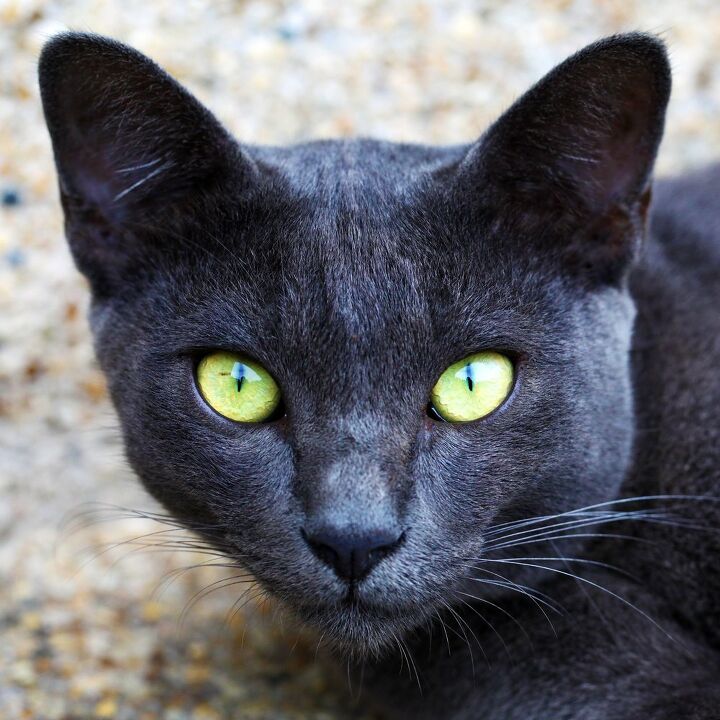
An affectionate and cuddly cat, the Korat bonds strongly with its humans, but will single out a favorite. They are playful, but surprisingly gentle with children. That being said, they are not well suited for noisy, boisterous households because loud noises will startle them into disappearing from sight until they’re sure the “coast is clear.” Possessed of keen senses of sight, hearing, and scent, it’s almost impossible to hide a treat from a Korat, or for any errant insect to escape detection. Intelligent, talkative, and interactive, these cats do not like to be alone for long periods of time, but they are willing to seek companionship from other animals, even dogs. Many will happily play fetch, and they enjoy their lap time, lavishing expressive affection on their humans and exhibiting great trust in their owners. Although not aggressive, they can be given to horseplay, so it’s good to keep your Korat’s nails trimmed.

Overall Description

The Korat’s head is heart-shaped, with additional hearts appearing around the nose and in the face. They have a semi-cobby body, which tapers at the waist. They are surprisingly heavy cats, with the bulk of their heft carried in the front of the body, in and around the muscular and rounded shoulders. A heavy, short neck supports the head and if looked at straight on, the shoulders are wider than the chest itself. These cats are somewhat slow to develop physically, and can appear awkward and gawky up to four years of age. Even their eye color can fluctuate until they are fully developed.

Colors
ADVERTISEMENT

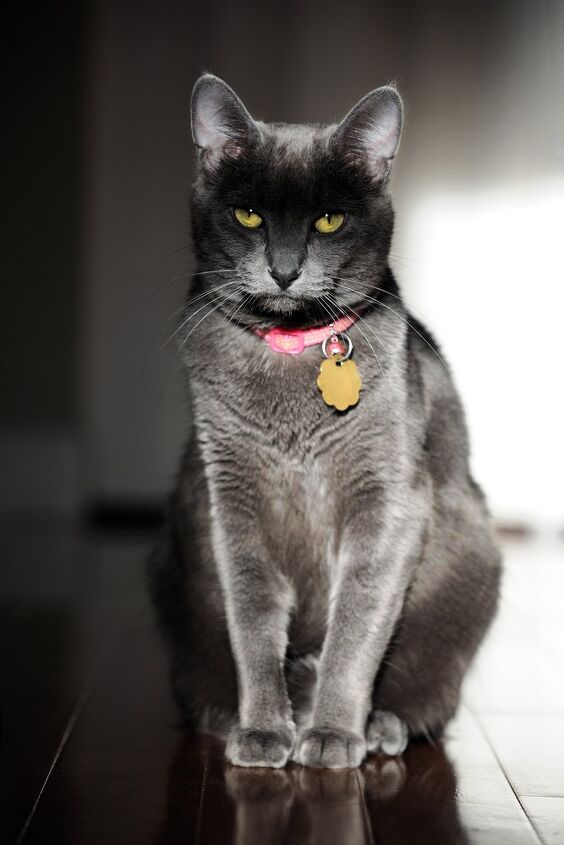
The Korat’s color is described as a silver tipped blue, a highlighting which gives its coat something of a shimmer. The light color at the roots increases in tones of blue up the shaft to the silver tip. The muzzle and toes especially display this silver highlighting.

Grooming Requirements

The Korat’s coat has only one layer. The hair lies close to the body, and does not float up when petted or stroked. They only shed heavily when getting rid of their winter coats, and otherwise need only a weekly brushing, a maintenance chore which the Korat loves.

Photo credit: R. Gino Santa Maria/Shutterstock; sippakorn/Shutterstock; Goele/Wikimedia Commons
ADVERTISEMENT

ADVERTISEMENT

You May Like

What A Treat: Choosing The Best Dog Treats

Your dog deserves a treat now and then. But how do you pick the best dog treats for your pooch? Let''s go over what to look for and when to give them.

Toyger

The name ""Toyger"" is a combination of the words ""toy"" and ""tiger."" When you see one, you''ll know why it has this name: it looks like a miniature tiger.

How Much Playtime Does My Cat Need?

Without adequate mental and physical stimulation, cats can become bored, stressed, and even develop behavioral issues. This is why playtime is not “just” a matter of playing for felines. It meets their most basic needs and it''s an essential component of their overall well-being.

Kinkalow

The Kinkalow dates back to the middle of the ‘90s, making it a newer feline breed, made by crossing Munchkins with American Curls.

Saint Bernard

The Saint Bernard originally made a name for itself as a Swiss rescue dog. A friendly, unassuming breed that is loved by all who cross its path.

Bossi-Poo

The Bossi-Poo is a fun, well-behaved family dog that brings together the personalities of the Poodle and the Boston Terrier.

Simple Ways To Keep Your Dog Safe When Home Alone

You want to take your dog everywhere with you, but it''s just not possible. Ensure your dog''s home alone time is safe with a few simple house hacks.

Catfish

Catfish are a large family of freshwater fish extremely popular in the aquarium trade. Extremely hardy and make for fascinating aquarium specimens.

Adoptable Dog Of The Week – Ida

What a sweet face! There’s no resisting Ida, our Adoptable Dog of the Week from Adoptapet.com. Ida is an adult female Boston Terrier from Providence, R…

Basic Dog Training Tips

We put together some basic dog training tips. When you''re just starting out, there are a few important things you should know before you start dog training.

Peterbald

The Peterbald is a new hairless cat breed that originated in Russia in the 1990s. These cats are renowned for their dog-like loyalty toward their humans.

Pumpkin Spice Pet Essentials For a Perfect Fall

It’s that time of year…the Pumpkin Spice is back and better than ever. As you sip your seasonal latte, don’t leave our furry friends out i…

How To Train A Cat To Walk On A Leash

Did you know that dogs aren''t the only pets that like to take a stroll with their humans? We''re going to teach you how to train a cat to walk on a leash!

Oscar Takes a Bite Out of Best Bully Sticks

Oscar loves when the mailman comes to the door. And today it''s because he''s bringing Oscar a special delivery from Best Bully Sticks!

How Can I Help My Dog Adjust to a New Routine

Dogs thrive when they have an established routine. They like things to be predictable, so surprises are not always welcomed with enthusiasm. This means that any major changes in that established routine will require plenty of adjustment and could result in some odd behaviors.