Lab Pei Basics
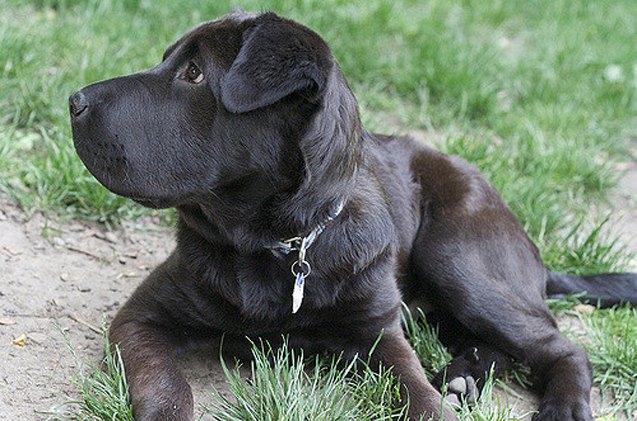
The sweet, rumple-faced Lab Pei makes a wonderful addition to any family as they get along well with children and other pets. While they are protective, they are not aggressive and would lean more towards a warning bark to strangers, rather than a lunge. Their Labrador Retriever and Chinese Shar-Pei lineage makes for a loving, intelligent dog that is easy to train and keen-to-please his owner. While they are not demanding, they do thrive on human attention and love to be involved in any family activity.
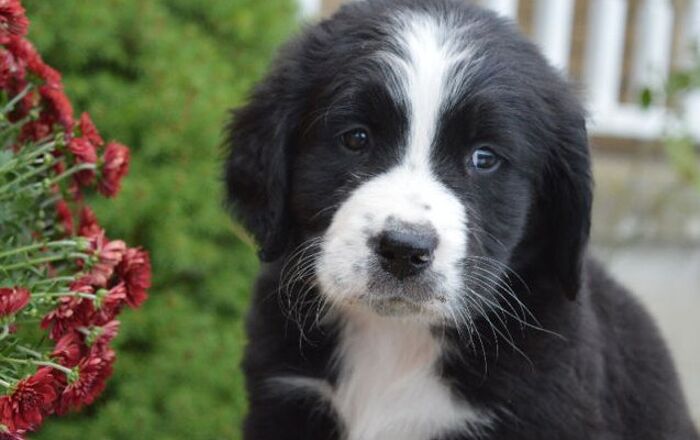
The Lab Pei is a mix of Labrador Retriever and Chinese Shar-Pei.
Origin
The Lab Pei is considered a hybrid dog, produced from a pure-bred Labrador retriever and pure-bred Shar-Pei. Although he is a relatively new breed of designer dog, his lineage dates back centuries. Labs were originally used back in the 19th century to help fishermen in Newfoundland, Canada haul nets, ropes and pull in fish. The Shar-Pei was bred for fighting and dates back to 220 AD China, where they ultimately became a favorite pet of emperors.
Pedigree
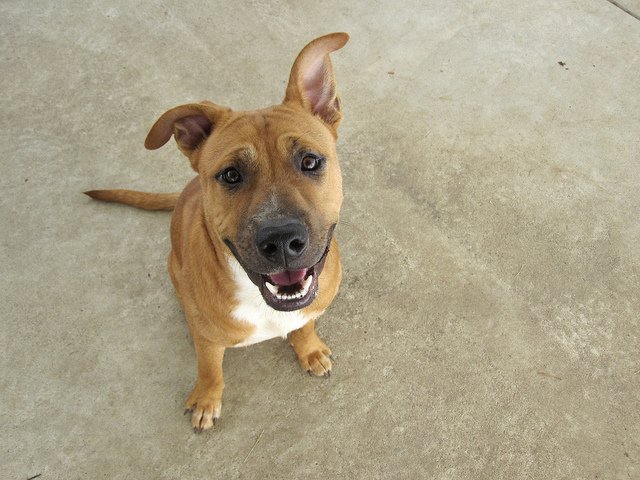
As a hybrid, the Lab Pei does not qualify to be a member of the elite American Kennel Club’s (AKC) roster of purebreds. His parents however, have both achieved AKC status; the Labrador retriever was admitted to the club’s “sporting” group back in 1917 and the Shar-Pei became a member of the “non-sporting” group as recently as 1992.
Food / Diet
The Lab Pei is a large-sized dog that will consume up to 3-4 cups of dry food daily. Kibble size should be large (to avoid gobbling) and should be geared specifically to his age and activity level. Always opt for ingredients that indicate “meat” as a first ingredient and because he may be prone to hip dysplasia and joint issues, foods that include glucosamine are a good option. Labradors are known to over-eat so don’t plan to free-feed your dog. Meals should be spaced over two feedings and avoid fillers such as carbohydrates and grains that will further induce him to overeat in order to feel full.
The Lab Pei makes a wonderful addition to any family as they get along well with children and other pets.
Training
The Lab Pei is the hybrid of two very intelligent breeds that are keen-to-please and easy to train. As a result, your Lab Pei will quickly pick up on your verbal and hand instructions and you should find you require few repetitions to train him in both obedience and socialization. Because of the Shar-Pei “influence”, he may be willful so make sure he understands that you are the pack leader. Failure to do so may encourage an independent streak that requires a professional trainer’s assistance. As with all dog breeds, a positive, rewards-based approach to obedience and socialization training is best. Firm, consistent instructions accompanied by lots of praise and your choice of reward will result in a quick and successful training process.
Weight
The Lab Pei is considered a medium sized breed and when fully grown, he will weight 55-70 pounds depending on whether you have a male or a female.
Temperament / Behavior
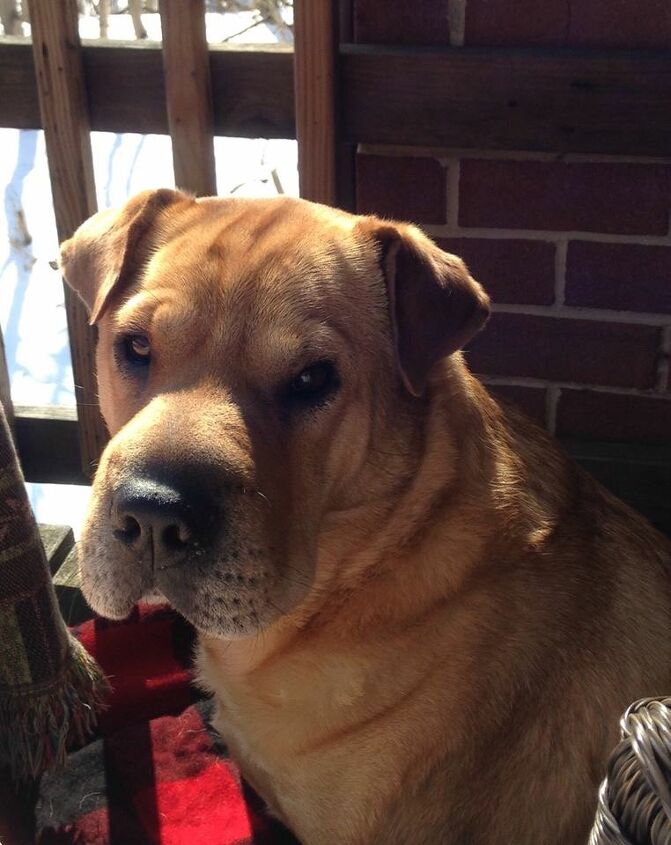
The Lab Pei is considered a loyal and loving dog that is even-tempered, highly responsive and ready to please his family. He enjoys active playtime that can include a tossed ball or stick, as well as a good long walk to stretch his legs. Since he is easy to train, he walks well on a leash and should be perfect for a child who has been trained on how to handle a dog. Although he isn’t aggressive, he is cautious around strangers and will bark if he feels the need. Because the Shar-Pei side of this dog’s lineage is known for being rather independent, early training is important. Note that this dog requires mental as well as physical stimulation or he can become bored and destructive.
Common Health Problems
Hybrid dogs (the offspring of two purebred dogs) won’t necessarily experience the same health issues as his parents. Many genetic disorders by-pass the hybrid entirely, however prospective owners need to research their pup’s lineage and potential health issues. As well, this breed may suffer from entropion (wrinkles causing eyelids to fold in) from the Shar Pei side (as our did). Early recognition is important for treatment, which can include tacking and surgery. If not treated, entropion can cause permanent blindness. Labrador retrievers can suffer from hip and elbow dysplasia as can the Shar-Pei who is also known to be troubled with skin issues because of the many folds in their coat. The good news is that a Shar-Pei hybrid will not have the same amount of wrinkling and should not be troubled by these issues
Life Expectancy
The Lab Pei has a life expectancy of 8 to 10 years.
Exercise Requirements
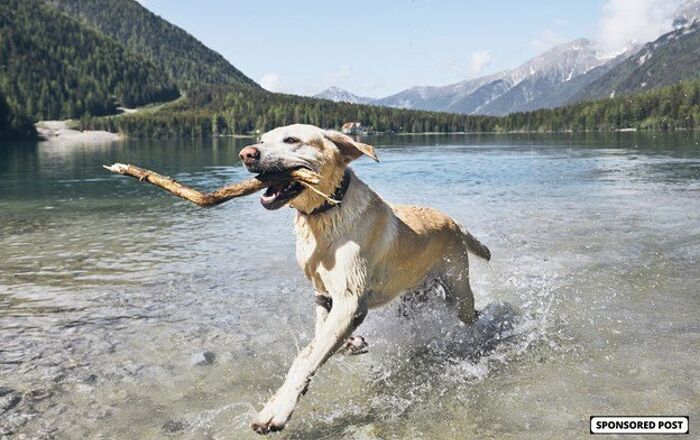
The Lab Pei is considered a large dog which means he’s going to need daily exercise that includes long walks or jogs. He has a strong instinct for play so a fenced yard or off-leash zone where he can run and interact with other dogs is ideal. Because both the Labrador retriever and the Shar-Pei tend to be on the heavier side, it’s important his exercise routine daily and rigorous in order to help him stay fit and healthy. Oddly enough, the Lab Pei doesn’t take after the Lab side of his family when it comes to water activities. He isn’t a big fan of water at all!
The Lab Pei is the hybrid of two very intelligent breeds that are keen-to-please and easy to train.
Recognized Clubs
Also known as Shar-Pei Labs, the Lab Pei is not included on the American Kennel Club’s roster of pure-bred dogs. He is however a member of the Dog Registry of America, Inc. (DRA).
Coat
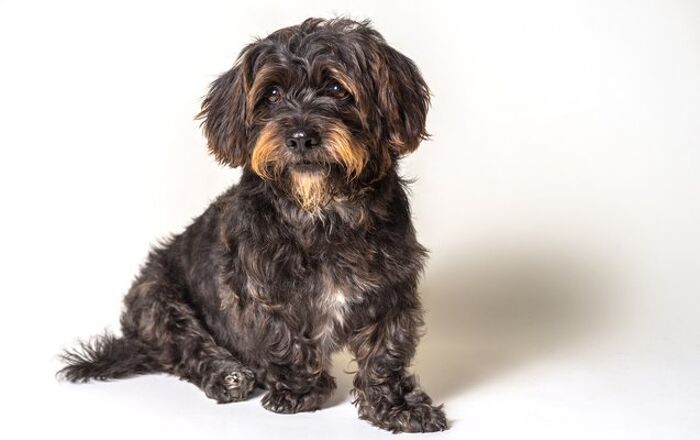
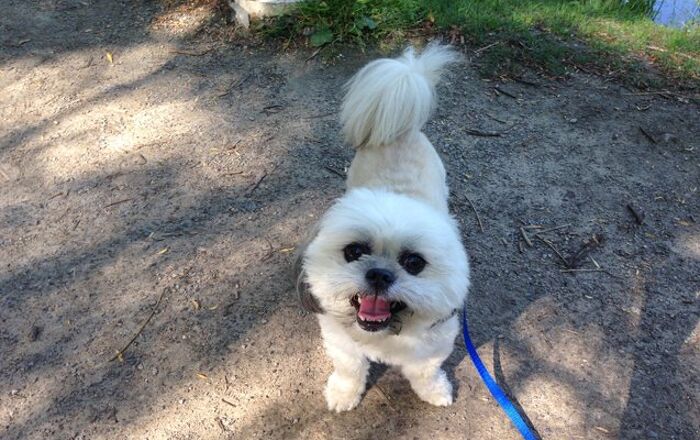
The Lab Pei’s coat tends to be similar to that of the Shar-Pei; harsh, rough and short. In fact, the English translation of “Shar-Pei” is “sand skin” and refers to the texture of his rather coarse, bristly coat. The upside is that he is a light shedder and regular brushing should be sufficient to keep him looking his best. Their coloring is typically that of the Shar-Pei which includes cream, golden, white and dark tan.
Puppies
Your Lab Pei puppy will need to be put on a diet specific for large breed dog puppies to help maintain a slower growth rate. Typically 1 cup per 6 pounds of body weight should be sufficient for growth of 2-3 pounds per week. Don’t forget that your pup comes from breeds prone to joint issues so be careful to not overexert him. Too much exercise may tire him out but can also result in joint injuries that may plague him the rest of his life. Feed him over several meal periods and ensure he has plenty of toys to keep him mentally stimulated and out of trouble.
Photo credit: bullcitydogs/Flickr; Amy the Nurse/Flickr; Kathleen Repley