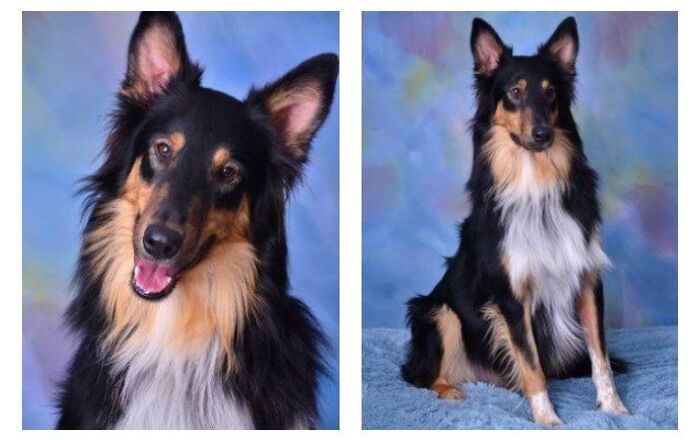
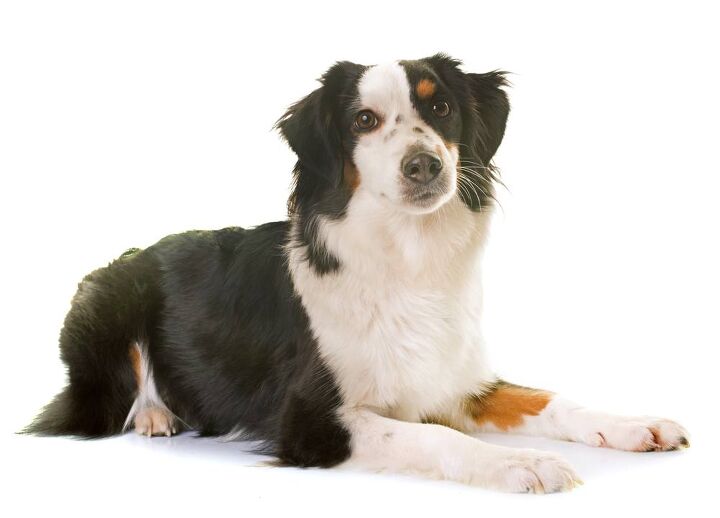
Miniature American Shepherd Basics
The Miniature American Shepherd is somewhat confusing as a breed because it looks incredibly similar to the Miniature Australian Shepherd. In fact, the Miniature American Shepherd diverged from the Miniature Australian Shepherd which is actually bred from small Australian Shepherds. If you are looking for an active and loyal companion or a smart dog that can be trained for various dog sports, this dog may be the right choice for you.
If you are looking for an active and loyal companion or a smart dog that can be trained for various dog sports, the Miniature American Shepherd is the right choice for you.
Origin
The history of the Miniature American Shepherd began in 1968 when Doris Cordova of Norco, California set out to breed a smaller version of the Australian Shepherd. By the mid-1970s, the breed reached its desired size and bred true. In 1990, the Miniature Australian Shepherd Club of the USA (MASCUSA) was formed – that was the same year the AKC recognized the Australian Shepherd as a breed. By 1993, the Miniature Australian Shepherd was no longer allowed to participate in the AKC because it was too similar to the Australian Shepherd.
In that same year (1993), the MASCUSA was asked by the AKC to change its name – thus, it became the North American Miniature Australian Shepherd Club. With this split came a split between the Miniature Australian Shepherd and the Miniature American Shepherd. In 2011, the MASCUSA became the parent club of the new Miniature American Shepherd breed and, in 2012, the Miniature American Shepherd was admitted into the AKC Foundation Stock Service. On July 1, 2015, the AKC fully recognized this breed, and has assigned the Miniature American Shepherd to the Herding Group. As well, the breed was recognized by the United Kennel Club on January 1, 2015.
Pedigree
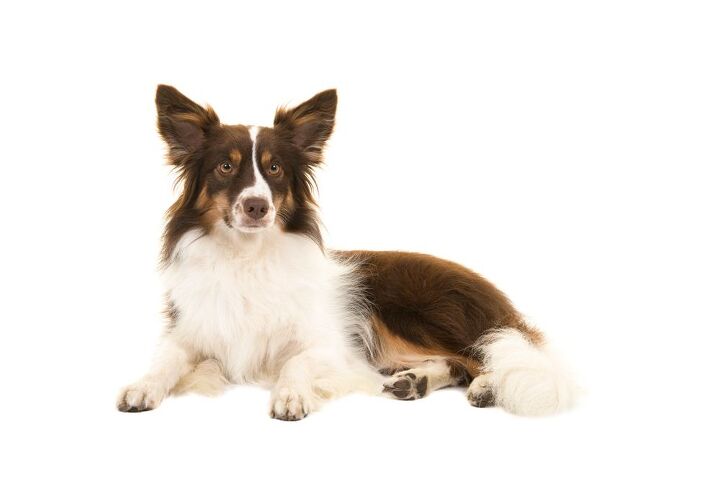
The Miniature American Shepherd was bred from small specimens of the Australian Shepherd breed starting in 1968 under the name Miniature Australian Shepherd. The current Miniature American Shepherd is similar in appearance to the Australian Shepherd but in a smaller size.
Food/Diet
The Miniature American Shepherd is a fairly small dog but it does not qualify as a toy breed, so avoid dog food formulated for small-breed dogs. The better choice for this breed is a dog food formulated for active dogs – this food will ensure that the energy needs of the breed are met.
These dogs require plenty of mental and physical stimulation to prevent the development of unwanted behaviors.
Training
Like the Australian Shepherd, the Miniature American Shepherd is an intelligent and trainable breed. As is true with many small breeds, however, housebreaking and training this dog can be a little trickier than with its larger counterparts. The key to training the breed is to start early and to maintain a firm and consistent hand in training. These dogs require plenty of mental and physical stimulation to prevent the development of unwanted behaviors.
Weight
The average weight of the Miniature American Shepherd is between 17 and 30 lbs.
Temperament/Behavior
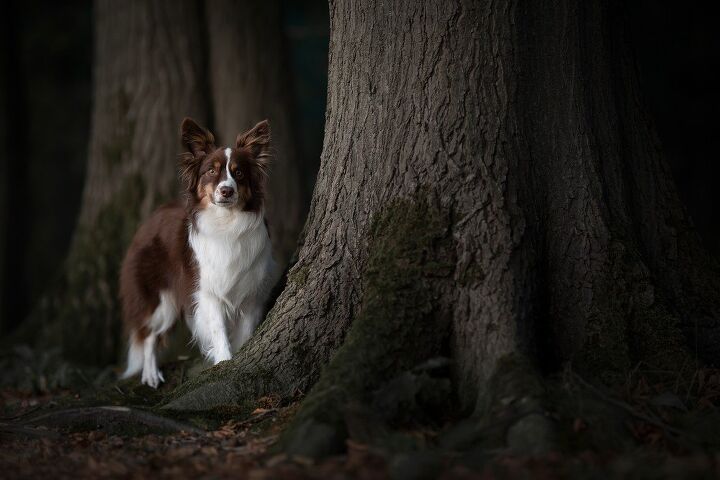
The Miniature American Shepherd is a friendly and playful breed that has lots of energy and an eager-to-please attitude. These dogs make great family pets because they are loyal and affectionate with family and because they get along well with children. Miniature American Shepherds are naturally a little wary around strangers but they are not shy and they are unlikely to become aggressive. Early socialization and training is recommended for this breed to prevent the development of problem behaviors.
Common Health Problems
Because the Miniature American Shepherd is not genetically different from the Australian Shepherd (except for its size), it is prone to the same conditions. Some of the most common conditions affecting this breed include hip dysplasia, patellar luxation, cataracts, epilepsy, collie eye abnormality, and spinal defects. In many cases, health problems are related to the genes that are responsible for the common merle coloration in this breed – particularly hearing and vision-related conditions.
Life Expectancy
The average life expectancy of the Miniature American Shepherd is between 12 and 15 years.
Exercise Requirements
The Miniature American Shepherd is an incredibly active and energetic breed that requires plenty of daily exercise. In addition to long daily walks, this breed does very well when given training for various dog sports including fly ball, disc dog, agility and obedience – this training provides valuable mental and physical stimulation the keeps the dog in shape. If not given adequate daily exercise and mental stimulation, this breed is likely to develop behavioral problems.
The Miniature American Shepherd is a friendly and playful breed that has lots of energy and an eager-to-please attitude.
AKC
The Miniature American Shepherd became recognized by the American Kennel Club on July 1, 2015 and is classified in the Herding Group.
Coat
The Miniature American Shepherd has a medium-length double coat with a short, dense undercoat and a longer weather-resistant outer coat. The fur may be either straight or wavy with medium texture and medium length. Though the coat is fairly long and thick, this dog requires only occasional brushing and combing to prevent matting and to remove loose hairs.
Puppies
The litter size for Miniature American Shepherds is between two and six puppies. Housebreaking Miniature American Shepherd puppies can be tricky so be firm and consistent during training. It is also important to start Miniature American Shepherd puppies with training and socialization at a young age to prevent the development of problem behaviors.
Photo credit: cynoclub/Shutterstock; MirasWonderland/Shutterstock