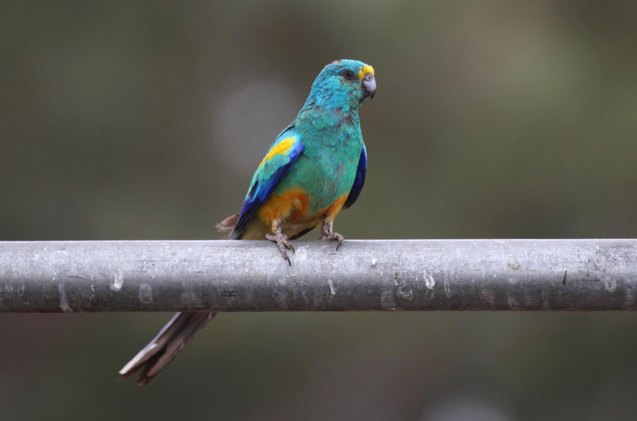
Mulga Parrot General Info
The Mulga Parrot is a bird that will quickly catch your eye thanks to the wonderful and unusual colors of its plumage. These unique parrots have a calm personality and can become very cuddly with time. They are also quite smart, which can learn fun tricks alongside a patient owner. The lovely looks, pleasant behavior, and small size of Mulga Parrot make it a wonderful pet. Just be careful, they might not get along with other small sized parrots. They like the spotlight just for themselves. Meet the Mulga parrot!
Another name for Mulgas is the Many-Colored parrot. They are famous for their bright colors.
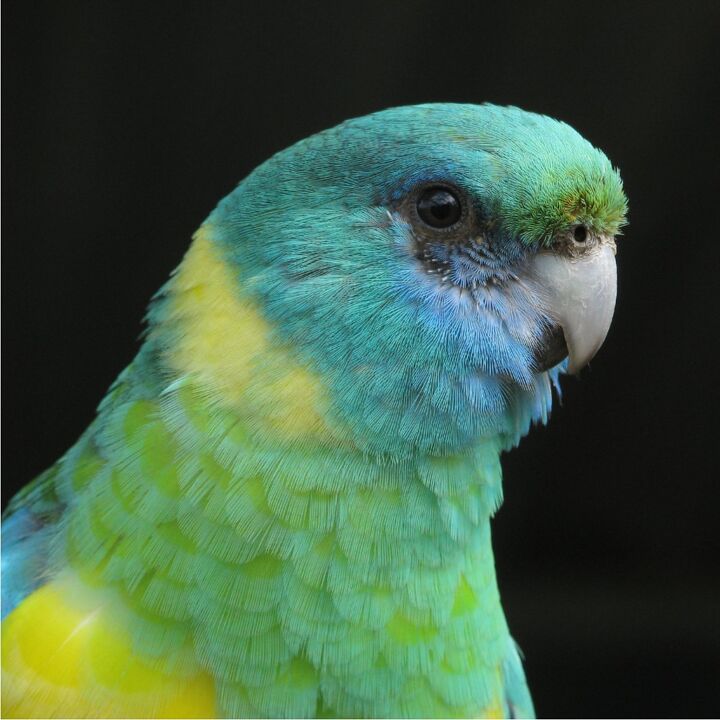
Native Region/Natural Habitat
These parrots are widespread through the Australian continent and thrive in the drier regions of the interior. They are seen from New South Wales, through Victoria and South Australia. These parrots inhabit the dry woodlands of the region, the scrublands and the growths of mulga trees, which gives them their name. Mulga Parrots are seen in pairs and are generally a non-threatened species. Slight decreases in populations in the south are observed, due to the rapid clearance of Eucalyptus forest.
Overall Description
The Mulga Parrot belongs to a small branch in the family of Australian parakeets, and has some similarities that “run in the family”. But in general, they are unique birds that display a lot of distinct physical traits. The adults reach an average length of around 11 inches (28 centimeters) and will weigh close to 3 ounces (70 grams). The distinguishing feature of Mulga Parrot is the incredibly long tail, which is almost longer than their entire body. It is narrow and pointed, showing their slender figure. This is important because it calls for a lot of free space and a roomy cage. Males and females have many differences and are easy to tell apart.
Speech and Sounds
These parrots are not too noisy, and some owners will argue that they are also pleasing to hear. Mulga Parrot has natural calls which consist of soft chirps and twittering, as well as melodic chit-chat. They respond vocally when they are happy. For instance, when they are cuddled they will chirp quietly. If enough space is provided, they might be good pets for an apartment setting.
Colors
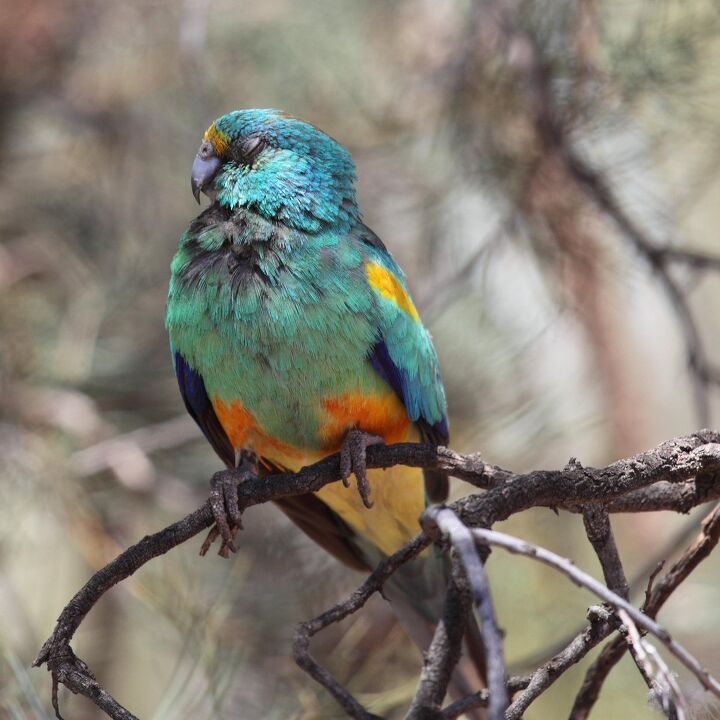
Their brightly colored feathers are the biggest attraction and a pride of the Mulga Parrot. The males are mostly bright green and turquoise, with a yellow band just above the beak. There is a brownish red patch on the rear of the head and the abdomen and thighs are yellow with various red marks. The rump and tail are green, with brown near the base. Add a dark blue and green line across the lower back and bright yellow wing patches, and this incredible mix is complete. The females have a brownish olive head, back and upper chest, and an orange and yellow band in the front, with a light green lower body. The wing patches are red. These incredible mixes of hues look unreal and give the Mulga Parrot an enchanting appeal.
The exotic appearance of the Mulga Parrot might be what attracts you first, but it’s their personality that will win you over.
Care and Feeding
These are mostly ground feeding parrots, thriving on a variety of grass seeds, insects and fruits. Small parrot seed mixes will be a great choice for a stable diet – canary, oats, and sunflower seeds are a tasty treat. These parrots are avid chewers so save your household items by purchasing untreated branches and parrot toys for your pet. Regular baths are needed and your Mulga Parrot will enjoy them a lot. They also add to the overall hygiene and well-being of the parrot.
Health and Common Conditions
They are surprisingly hardy birds, with the ability to adapt easily. The Mulga Parrot often inhabits some of Australia’s driest and arid regions, and this makes them strong and healthy. As pets, they can live for more than 12 years. Their biggest needs are enough space, a balanced diet, and social interaction. Keep in mind that they are very fast flyers, so keeping an eye out will help minimize any accidents around the house.
Mulga parrots don’t like the company of other small parrots. They can become territorial and aggressive.
Personality & Behavior
When enough time passes, your pet parrot will develop a strong bond with you, especially if it is kept from a young age. Mulga Parrot can be very cuddly most of the time, enjoying scratches, pets, and snuggling. They also have a fun and energetic side to them – they love flying about the house. You’ll want to provide plenty of perches, wooden toys, and swing ropes. A Mulga Parrot is generally considered a great and fun pet, even if it doesn’t like to share the space with other small parrots. Their sweet behavior, affectionate personality, and amazing looks make them ideal pets for singles or seniors.
Photo credit: Chris Watson/Shutterstock; Susan Flashman/Shutterstock