Polish Greyhound Basics
The Polish Greyhound is a member of the sighthound group – it is easy to see from his long legs and lithe body. But this breed has some characteristics that set it well apart from other breeds in this group. The Polish Greyhound loves to run, but he also has protective instincts uncharacteristic of the sighthound type. This breed also tends to be somewhat dog-aggressive and may be a challenge for inexperienced dog owners to manage.
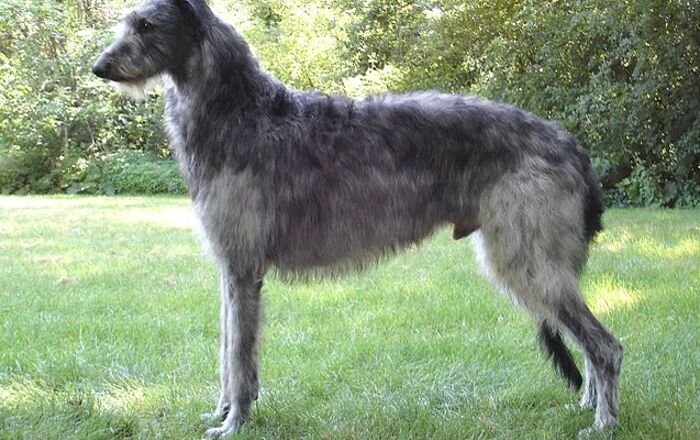
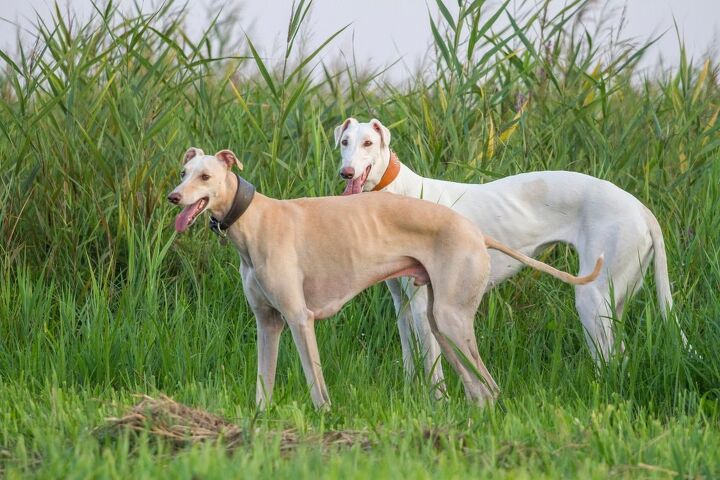
The Polish Greyhound is a member of the sighthound group – it’s easy to see from his long legs and lithe body.
Origin
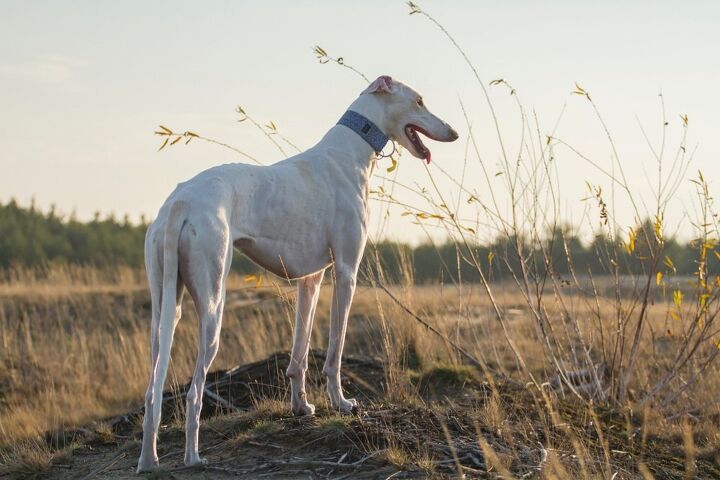
Also known as the Polish Sighthound or the Chart Polski, the Polish Greyhound is not actually directly related to the Greyhound breed. The exact origins of the breed, however, remain unknown. What is known is that the breed descended from ancient breeds that were used to hunt fox, hare, deer, and wolves. The breed acquired the name Chart Polski, or Polish Sighthound, during the 19th century. The breed was nearly wiped out after the 19th and 20th centuries but was revived by lovers of the breed during the 1980s. Today, the Polish Kennel Club, the FCI, and the UKC have all recognized the breed, though it is difficult to find specimens outside of Poland.
Pedigree
The Polish Greyhound was developed from ancient sighthound breeds in Poland used to hunt fox, hare, deer, and wolves.
Food/Diet
As a medium to large-breed dog, the Polish Greyhound should be fed a high-quality dry food formulated for medium to large breeds. The Polish Greyhound is also an active breed, so he may respond well to an active or working breed formula. You still need to be careful about overfeeding, however, to prevent obesity.
The Polish Greyhound has primarily been used as a hunting dog.
Training
The Polish Greyhound has primarily been used as a hunting dog, known for its skills in running down prey with great speed and stamina. This breed is very smart and loves to run, so he requires a great deal of daily exercise to control his energy levels. He is smart but can sometimes be difficult to train, especially for novice dog owners. This breed requires firm and consistent training from a very early age and a lot of socialization is also required if you want your Polish Greyhound to get along with other dogs. This breed has a high prey drive as well and it may be difficult to change that, even with early socialization and training.
Weight
The Polish Greyhound is a medium to large-sized dog, standing 27 to 32 inches tall and weighing anywhere from 60 to 90 pounds at maturity.
Temperament/Behavior
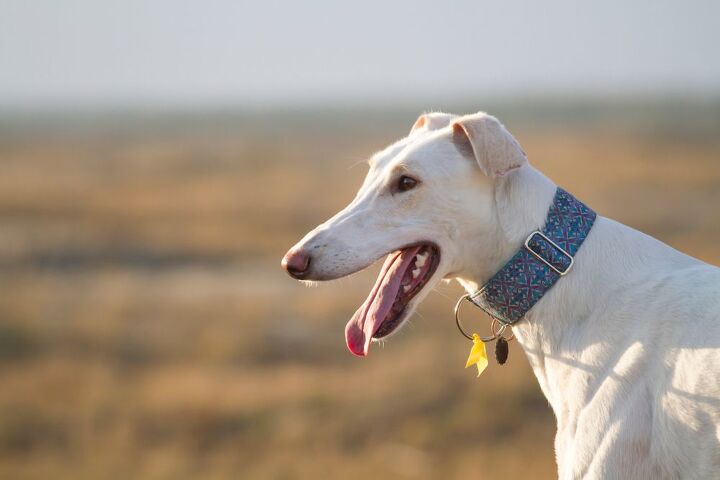
The Polish Greyhound may look like any other sighthound, but his temperament and personality is very different. Most sighthounds are gentle and mild-mannered but this breed has a strong territorial instinct and can be protective of his home and family. While some sighthounds are gentle enough for inexperienced dog owners, the Polish Greyhound is not – he also tends to be somewhat dog aggressive and territorial by nature. This breed requires a significant amount of daily exercise to prevent hyperactivity as well as the development of problem behaviors.
Common Health Problems
The Polish Greyhound is a healthy breed by nature, largely untroubled by genetic health problems. There are, however, some conditions to which the breed is prone including cardiomyopathy. This breed is also prone to gastric torsion due to its deep chest.
Life Expectancy
The average lifespan for the Polish Greyhound is 12 to 15 years.
Exercise Requirements
As a sighthound, the Polish Greyhound has fairly high energy levels and high needs for exercise. This breed loves to run, so he will appreciate a brisk jog once a day and will also enjoy having time to run at the dog park or in a fenced yard.
Polish Greyhounds have a high prey drive.
Recognized Club
The Polish Greyhound is not currently recognized by the AKC. It is, however, recognized by the UKC as part of the Sighthound and Pariah group. It is also part of the Sighthound group with the FCI.
Coat
Though the Polish Greyhound looks similar to the Greyhound in many ways, its coat is a little bit heavier. This breed has a short, smooth, double coat that comes in a wide variety of different colors. The undercoat tends to thicken during the winter, but it remains harsh to the touch all year round, offering the dog an excellent layer of insulation. Despite the fact that this breed has a double coat, it is fairly easy to maintain with weekly brushing. Some dogs shed more than others, however, so you may need to brush your dog daily to keep shedding under control.
Puppies
The Polish Greyhound has a large litter size of up to 12 puppies. As a medium to large breed, puppies may not reach their full size until 12 months of age, or more. In order to provide your puppy with the protein and energy he needs to grow healthy and strong, feed him a high-quality puppy food formulated to medium to large-breed dogs. You’ll also want to start your Polish Greyhound puppy with training and socialization as early as possible because they can be a challenge due to their energy levels.
Photo credit: Ewelina Lesik/Shutterstock