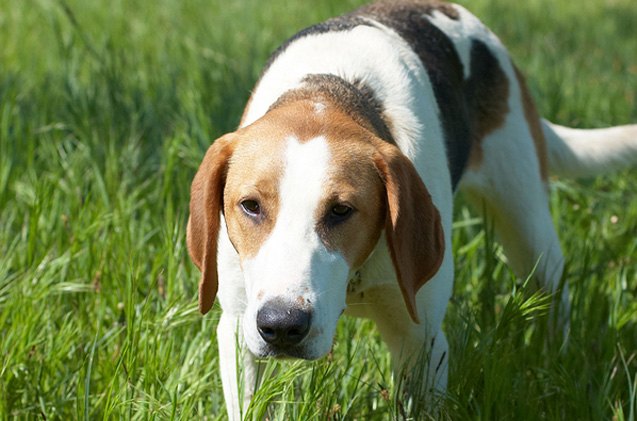
Russian Harlequin Hound Basics
Known as the Russian Spotted Hound or the Anglo-Russkaya Gontjaja, the Russian Harlequin Hound is one of the few Russian hound breeds that are known outside of Russia. This breed has excellent hunting skills, tracking fox and hare with its keen sense of smell, but also makes for a pleasant family pet. If you are looking for a unique dog breed that is smart and full of energy, consider the Russian Harlequin Hound.
The Russian Harlequin Hound has excellent hunting skills and also makes a pleasant family pet.
Origin
The origins of the Russian Harlequin Hound are a little fuzzy because there are so many Russian hunting hounds and many of them share similar ancestry. The Russian Hound is an indigenous Russian hound whose origins can be traced back to the 18th century, though selective breeding didn’t happen until the 1900s – the first breed standard was published in 1925. The breed was developed during the early 1900s from the Russian Hound crossed with the English Foxhound. Originally known as the Anglo-Russian Hound, this breed changed names in 1951 when it was accepted as a separate breed.
Pedigree
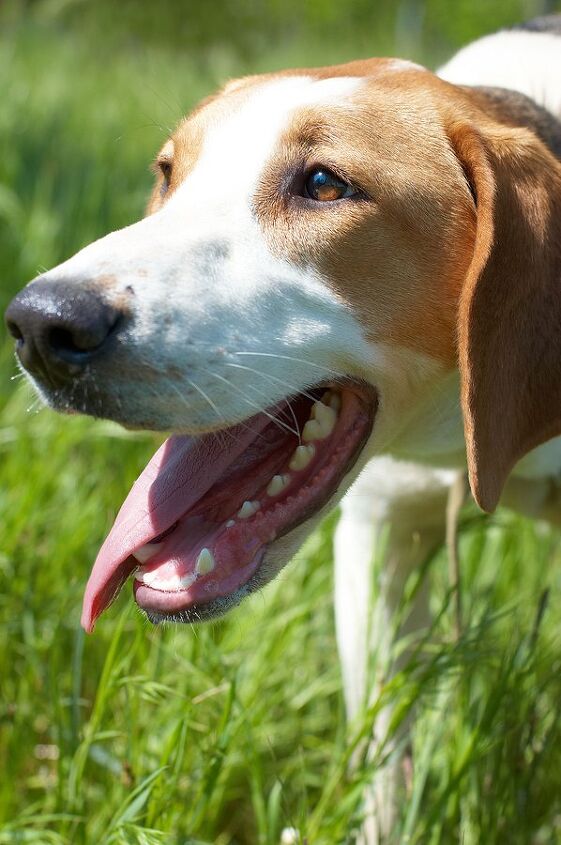
The Russian Harlequin Hound was developed by crossing the Russian Hound with the English Foxhound – there may also be some French hunting hounds in the breed’s history.
Food/Diet
As a large-breed dog, the Russian Harlequin Hound should be fed a high-quality dry food formulated for large breeds. You still need to be careful about overfeeding, however, to prevent obesity.
The Russian Harlequin Hound is an extremely intelligent and highly trainable dog breed.
Training
The Russian Harlequin Hound is an extremely intelligent and highly trainable dog breed. As a hunting dog, this breed is obedient and can be trained to work independently or as part of a pack. The Russian Harlequin generally responds well to positive reinforcement training, though you may need a firm and consistent hand in leadership to control his boundless energy. In addition to being trained for hunting, this dog may also excel in various dog sports including agility, obedient, tracking, and more.
Weight
The Russian Harlequin Hound is a medium to large dog, standing 22 to 26 inches tall and weighing anywhere from 40 to 70 pounds at maturity. Males of the breed tend to be larger than females.
Temperament/Behavior
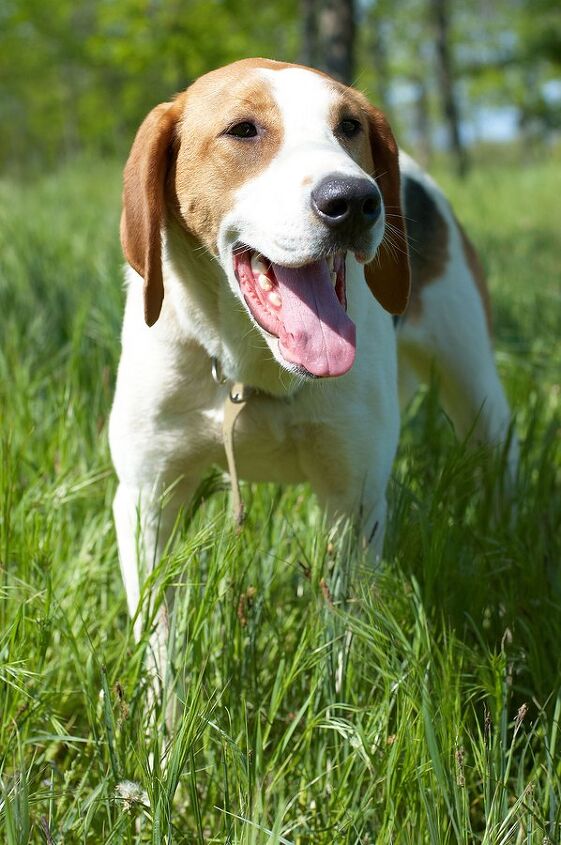
The Russian Harlequin Hound is a friendly and good-natured breed, though they do tend to be fairly energetic. This breed excels in hunting but also makes a great family pet because they get along well with children and are gentle by nature. As a hunting breed, the Russian Harlequin may chase cats and other small household pets, but early socialization can reduce this behavior. This dog is incredibly loyal to its family and loves to spend time at home. Though these dogs are not particularly large, they are not suited for apartment life because they need plenty of space to work off their excess energy.
Common Health Problems
The Russian Harlequin Hound is generally a healthy and hardy breed, though their lifespan is somewhat short for a medium-sized dog. These dogs are prone to several health problems including cancer, hip dysplasia, food allergies, congenital heart defects, and bloat. Like all dogs, this breed is also prone to obesity with lack of exercise or overfeeding.
Life Expectancy
The average lifespan for the Russian Harlequin Hound is between 10 and 12 years.
Exercise Requirements
As a hunting breed, the Harlequin Hound has excellent stamina and endurance. This breed requires a great deal of daily exercise to work off its energy and will develop destructive behaviors if its exercise needs are not met. The Russian Harlequin Hound requires a long daily walk and will appreciate having time and space to run outdoors as well.
The Russian Harlequin Hound is a friendly and good-natured breed.
Recognized Clubs
The Russian Harlequin Hound is not currently recognized by the AKC, nor by any other major breed clubs.
Coat
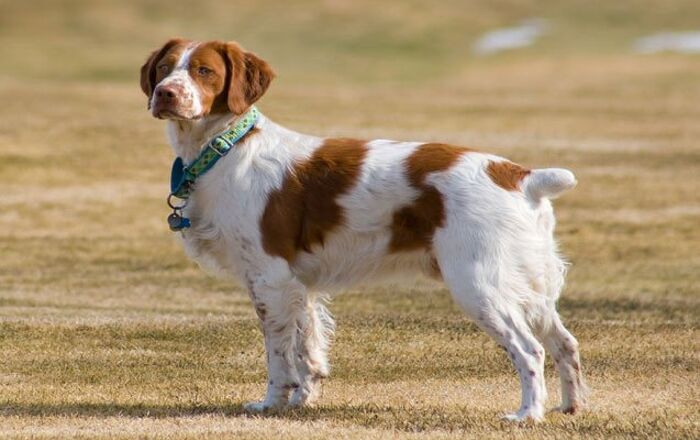
Like most scenthounds, the Russian Harlequin Hound has a short coat and a square, muscular frame. The most common coloration for this breed is a white coat with black and tan markings on the ears, face, and back. This breed has dark, oval-shaped eyes and small, triangular ears.
Puppies
The average litter size for the Russian Harlequin Hound is 6 to 8 puppies. Early socialization and training is recommended for Russian Harlequin Hound puppies because they have a lot of energy and tend to get into mischief easily. If you plan to use your puppy for hunting, you should start training him as early as possible to ensure that he grows up into an obedient adult.
Photo credit: Natalia D./Bigstock