Braque Francais Basics
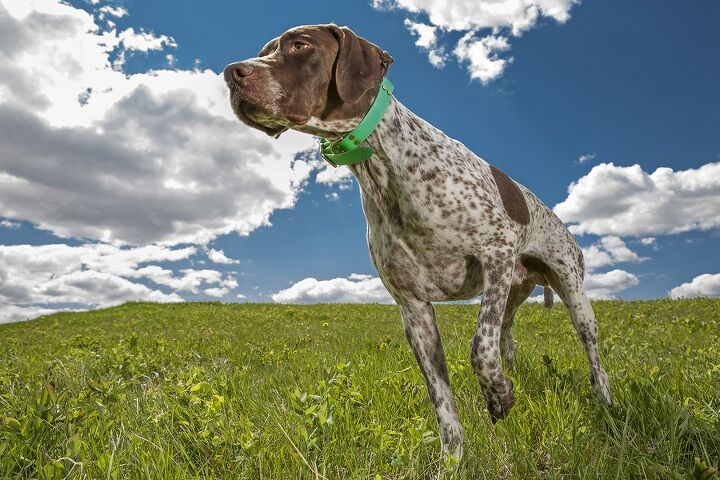
Originally bred for hunting, the Braque Francais (also known as the French Pointing Dog) has easily made the transition to the ideal family pet. The Braque Francais is one of the least dominant dog breeds you will ever come across and it is extremely eager to please. These traits, combined with its friendly temperament, make the Braque Francais a wonderful family pet – especially for families with children.
Originally bred for hunting, the Braque Francais has easily made the transition to the ideal family pet.
Origin
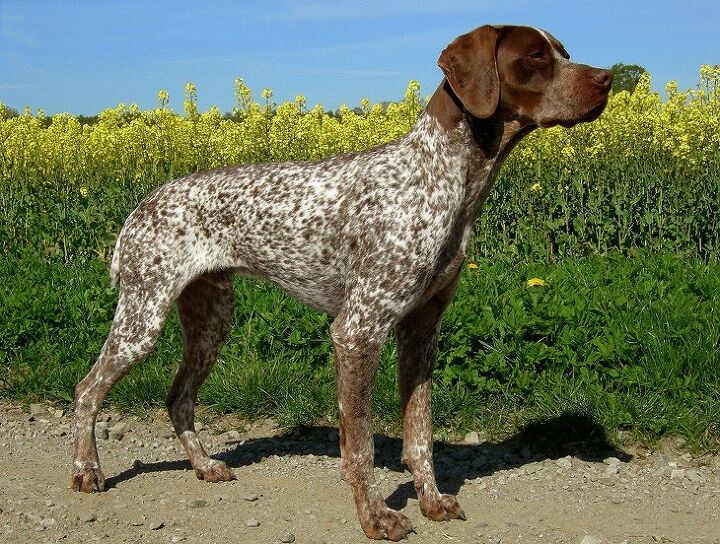
The Braque Francais breed is a hunting dog originating in the south of France. The original type for the breed dates back to the 15th century, though the breed has been crossed with other dogs since then. At the end of the 19th century, a search was conducted and two regional varieties of the breed were discovered – the Gascogne type and the Pyrenean type. The Gascogne type is the larger of the two, having a thicker coat and a squarer muzzle. The Pyrenean type has a broader head, a finer coat, and more mottled brown in its coloring.
Pedigree
It is thought that a number of breeds were used during development of the Braque Francais, including the Old Spanish Pointer and the Southern Hound, now extinct.
The Braque Francais is a highly intelligent breed that responds well to training.
Food/Diet
The Braque Francais is a medium- to large-sized breed so it requires a dog food diet formulated specifically for dogs of its size. It is also important to note that the breed was developed as a working breed so, if you plan to train your Braque Francais for hunting or other tasks, you may want to feed your dog an active or working breed formula. When choosing a dog food, make sure to select one made with high-quality ingredients including animal protein and digestible carbohdyrates.
Training
The Braque Francais is a highly intelligent breed that responds well to training. This breed was developed as a hunting breed but they can do well as family pets with proper socialization and training. The Braque Francais is a people-oriented breed and eager to please, so training usually goes fairly quickly. It is important to note, however, that this breed is sensitive to correction and they can be somewhat nervous, so it is best to be gentle but consistent with training. The Braque Francais is naturally a non-dominant breed so it is easy to train, even by inexperienced dog owners.
Weight
The Braque Francais typically stands between 23 and 27 inches tall for males of the Gascogne type while females stand about 22 to 27 inches tall – the average weight is between 45 and 80 pounds. The average height for the Pyrenean type is about 19 to 23 inches for males and 19 to 22 inches for females. The average Pyrenean type weighs between 35 and 55 pounds.
Temperament/Behavior
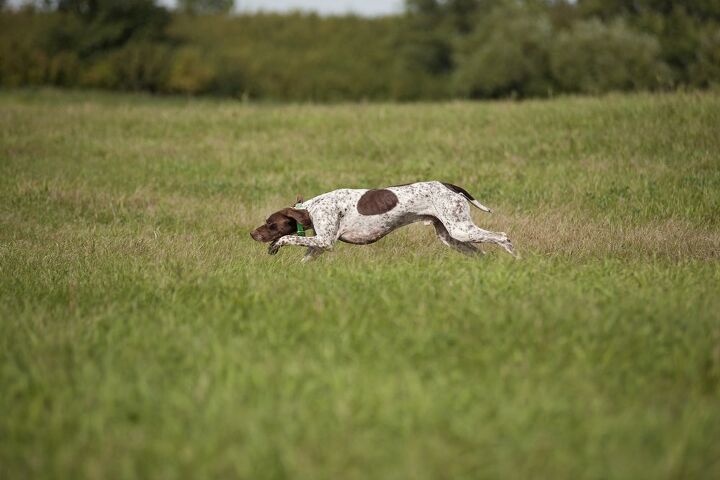
The Braque Francais is a smart and friendly breed that was originally developed for hunting and tracking. This breed gets along well with people and generally does well with other dogs, though its hunting instincts may make it a poor choice for households with small non-canine pets. These dogs are naturally affectionate and loving with their human companions and they love to spend time with people. The Braque Francais breed is prone to developing severe separation anxiety if left alone for long periods of time and it requires plenty of socialization and early training. When raised from a young age, these dogs get along well with children, though they may be a little rough for toddlers.
Common Health Problems
The Braque Francais is generally a healthy breed, not prone to many serious health problems. Like all dogs, however, this breed is prone to certain minor health issues. Some of the health problems most likely to affect this breed include hip dysplasia, elbow dysplasia, patellar luxation, eye problems, and aortic stenosis. Some of the eye problems most likely to affect this breed are entropion and ectropion as well as progressive retinal atrophy and cataracts. Responsible breeding practices can help to reduce the risk for inherited conditions like hip dysplasia.
Life Expectancy
The Braque Francais breed is generally fairly healthy, having an average lifespan between 12 and 15 years.
Exercise Requirements
The Braque Francais was developed as a hunting breed so it is a fairly active and energetic dog. This breed requires plenty of mental and physical stimulation on a daily basis including a long daily walk and plenty of active play time. This breed will also enjoy having a yard to run around in.
This breed gets along well with people and generally does well with other dogs.
AKC
The Braque Francais is not currently recognized by the AKC but it is recognized by the United Kennel Club as part of the Gun Dog Group. The Braque Francais is also recognized by the FCI.
Coat
The Braque Francais has a fairly short, smooth coat that comes in brown and white. The Gascogne type has loose skin while the Pyrenean type has tighter skin. Both types come in chestnut brown-and-white pattern or solid chestnut brown, though the Gascogne type has thicker hair than the Pyrenean type.
Puppies
The potential litter size for the Braque Francais is about 6 to 10 puppies, though most litters are 3 to 6 puppies. This breed is smart and trainable, so start puppies with socialization and training as early as possible for the best results.
Photo credit: Barna Tanko/Shutterstock; Motionshooter/Bigstock; Quasarphoto/Bigstock