Therapy Dogs May Be The Key To Less Stress And Loneliness At Colleges

Published A Few Days Ago
ADVERTISEMENT

Feeling stressed or depressed? Spending time with a furry friend may be just the thing you need.

We all know it to be intuitively true: when we spend time with animals, our stress seems to melt away. Now, science is giving us some hard data to back up that assumption.

The transition to college can be an exceptionally stressful and lonely time, and it’s something that college counselling centers are dealing with all too frequently these days. As a result, counselling centers are being forced to try out treatment methods that are both creative and cost effective.

Related:Students Allowed To Bring Their Pets To School

As part of a collaborative study, researchers from the University of Georgia, Idaho State University and the Savannah College of Art and Design provided group animal-assisted therapy to a group of 55 college students in the hopes that it would make a difference. Their findings were published in the latest edition of the Journal of Creativity in Mental Health.

The results were staggering: 60 percent of the students reported a decrease in their anxiety and loneliness levels after receiving animal-assisted therapy. A full 84 percent of the students said the time they spent with therapy dog Sophie was the most impactful part of the program.

Related:Show And Tell: Pets In The Classroom

So, just what was “the program”?

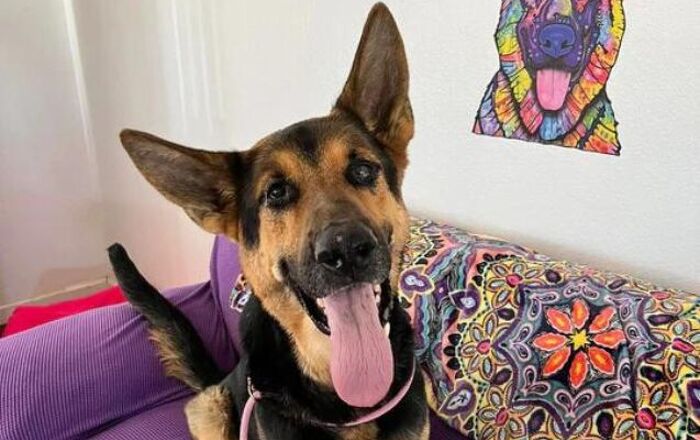
Well, researchers held twice-monthly group sessions during one academic quarter. For the sessions, students were invited to stop by and spend time with Sophie, a white German Shepherd, for up to two hours. All the students had the option to pet, hug, brush, feed, photograph, draw, sit near and play fetch with her. (Sounds pretty great to us! Do we get extra credit for this playtime as well?)

This is the first time animal-assisted therapy has been used in a group, college setting and researchers are optimistic about what the results may mean going forward.

“The presence of a therapy dog facilitates a therapeutic connection between the client and the mental health professional,” said Dr. Lindy Parker of Georgia State. “When you’re trying to do mental health work with someone, establishing that therapeutic relationship and rapport is so important. Any way to do it faster or more effectively only helps facilitate the therapeutic process.”

And just why do dogs make such great therapy animals? Dr. Franco Dispenza, also of Georgia State, says that because dogs have become so domesticated, they’ve developed an uncanny ability to read human cues. For instance, a dog can tell when you’re sad and will likely take action to try and comfort you — something dog owners have likely witnessed in their own pooches.

All we have to say is: go therapy dogs! And when can we get one for our office?

[Source: Science Daily]

ADVERTISEMENT

ADVERTISEMENT

You May Like

Stroller Training: Tips for Teaching Your Dog to Ride in a Stroller

Pet strollers have rolled their way into the lives of dogs and cats. Used to a variety of purposes, make sure your pet stays safe while being pushed around.

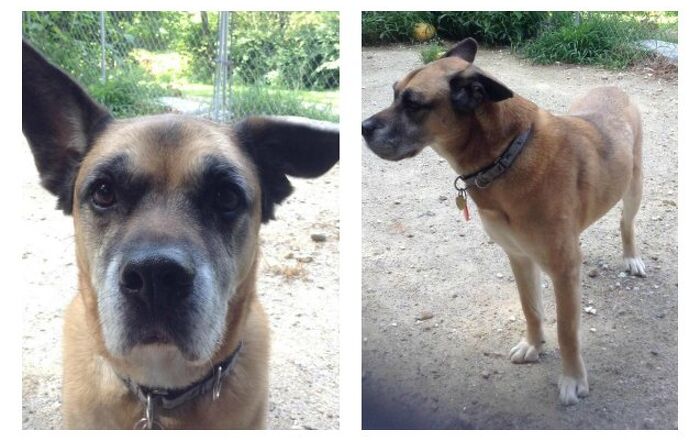
Adoptable Dog Of The Week – Ty

One look at this handsome dog and you’re sure to fall in love! This is Ty, our Adoptable Dog of the Week. He is an 11-year-old Boxer and German Shepher…

Pootalian

The Pootalian is a cross between a purebred Poodle and Italian Greyhound. They are known for their intelligence, alertness, and loyal personality.

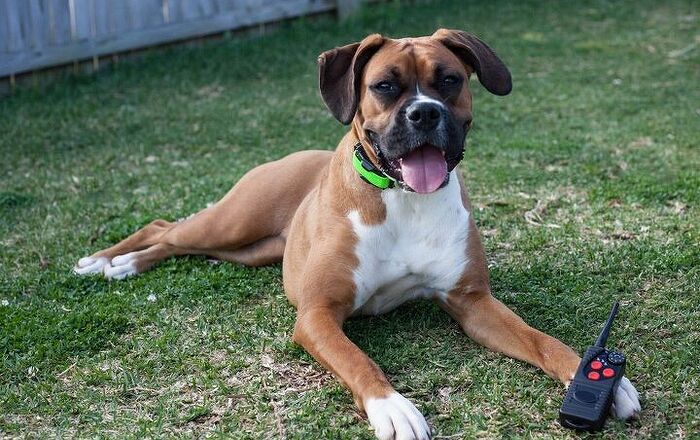
Best Dog Training Collars

Dog training collars are designed to control a dog in an efficient, safe, and humane way- for their safety and the safety of others.

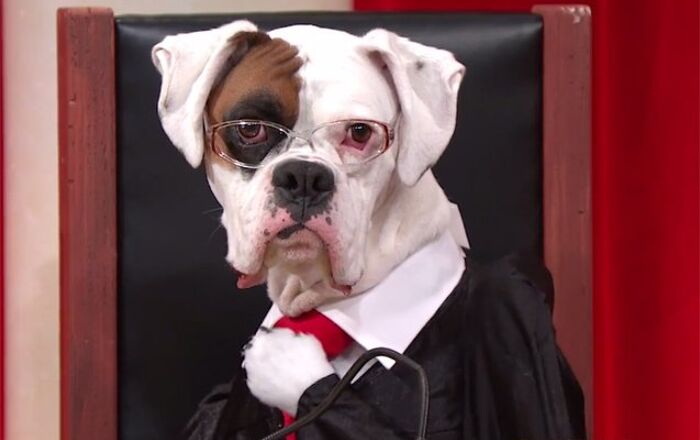
The Solution For Boring Court Programming? Adorable Dog Reenactments!

John Oliver proves that everything – including the Supreme Court – is better with dogs I’m a huge fan of political satirist and comedian Jo…

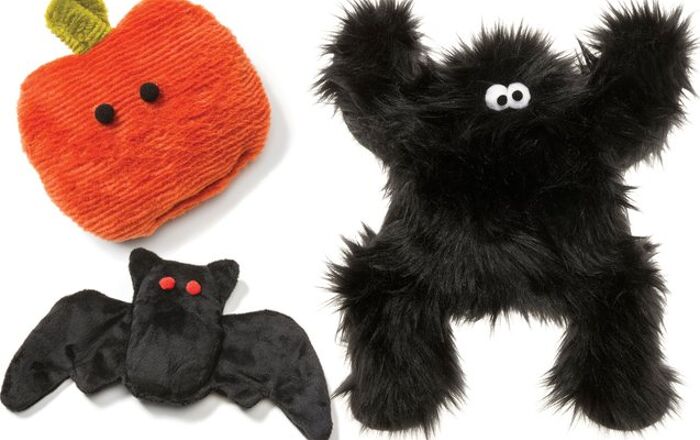
West Paw Design Howl-O-Ween Contest

We love Halloween and we can’t wait for it to get here. That’s why we were so happy to hear from our pals at West Paw Design – they want to…

Why Do Cats Hiss?

We instinctively back away when we hear a cat hissing. But why do cats hiss and how should you react when your feline makes this sound?

Australian Labradoodle

The Australian Labradoodle is a cross with Poodle, Labrador Retriever, American and English Cocker Spaniels, Irish Water Spaniel and Curly Coated Retriever.

Bichon Frise

The Bichon Frise, French for ""curly white lap dog,"" looks similar to the Maltese, but it does have some distinctions that make it a breed in and of itself.

10 Luscious Gifts for Labrador Retriever Lovers

Labrador Retrievers have charmed their way into the hearts of dog lovers. Show off your Lab love with these retrieving trinkets.

DIY Natural Home Remedies For Dogs

If your dog suffers from a mild upset stomach, dry skin, or other problems that aren''t serious enough to involve a vet, try these home remedies for dogs.

New Study Shows That Many Pet Car Seat Safety Restraints Are Ineffecti

Subaru and the Center for Pet Safety’s crash test results unsettling With new car safety products designed for dogs entering the market, it’s imp…

Adoptable Dog of the Week- Bogey

Our Adoptable Dog of the Week is Bogey, an adorable 6 years old Lhasa Apso and Bichon Frise Mix from Fargo, North Dakota.

Kathiawari Horse

The Kathiawari Horse is an equine breed from India. Known for being affectionate and faithful, this horse are also extremely brave.

Follow Your Cat Wherever He Goes With Weenect Cat GPS

Cats often follow where their curiosity dictates - wouldn''t it be amazing if you could follow along with him? Thanks to the Weenect Cat GPS, now you can!