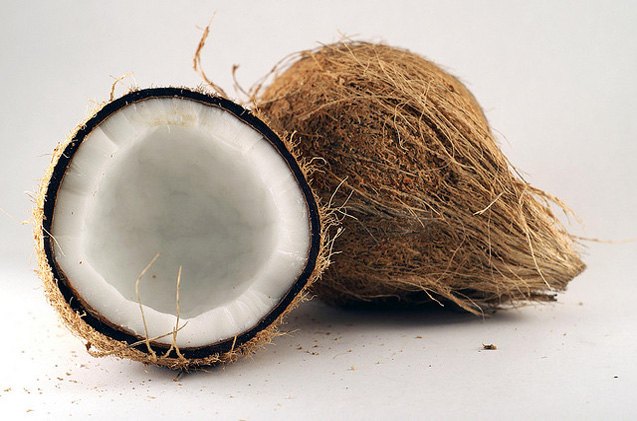
Did you know that coconuts aren’t merely a tasty treat and tropical bra substitute? Coconuts also offer a variety of health benefits, even for your four legged friend! So, let’s take a few minutes to talk about the benefits of coconut oil for dogs. You won’t regret it.
Coconuts are too often overlooked. They are typically treated as a seasonal treat and little more. However, that’s a mistake. These are remarkable fruits (That’s right, they aren’t nuts. Names can be deceiving.) that offer plenty of health benefits. It would be a mistake to dismiss coconuts as little more than a tasty treat. They can have a huge impact on both you and your dog’s life!
Personally, I’ve been a fan of coconut oil for about three years now and incorporate into my daily diet. I’ll never go back. Once thought of as a “bad fat,” nutritional experts are now saying that’s not the case at all. In fact, coconut oil comes with a boat-load of benefits: it moisturizes your skin, it helps you burn fat and it helps fight infections (just to name a few awesome coconut qualities).
Somehow, all of that is just the tip of the iceberg. After a trip to SuperZoo this year, I noticed that coconut oil was also being used in certain dog foods. That got me thinking – what are the benefits of coconut oil for dogs? With a little research, I came to realize that coconuts offer a surprising array of benefits for our favorite furry four legged animals. Now it’s time for you to benefit from my experience and bring the healing powers of coconuts into your pup’s life!
It does more than give a light, mild taste to whatever you’re cooking with it. Coconut oil contains more than 90% of saturated fats. That’s an alarming number and explains why people were so sure that it was bad for you back in unenlightened times. As it turns out, coconut oil contains the kind of saturated fat that do a body good. Most of the saturated fats found in coconut oil are Medium Chain Triglycerides (MCTs). These MCTs contain lauric acid, capric acid, caprylic acid, myristic acid and palmitic acid… and that’s where coconut oil gets its healthy boost from. These acids can really jump start your system. Surprisingly, they also offer a similar impact on canines.
So without further ado, let’s take a closer look at the benefits of coconut oil for dogs:
Doggy Digestion Benefits:
Pupper Skin Conditions:
Overall Dog Health:
Isn’t it amazing how many different ways coconut oil can help improve your dog’s life? You’ll probably want to incorporate it into your dog health care routine right away. You should, but make sure to use the right coconut oil to notice the biggest difference in your pup’s health. To get the best benefits of coconut oil in dogs, you should use virgin coconut oil. The “virgin” part means that it is unrefined. As an added bonus, it’s also the best type of coconut oil to help with human heal issues. So, you and your dog can even share a jar!
Coconut oil has proven to offer so many impressive health benefits in doggos that pet food manufacturers have started to incorporate it into their recipes. Now that’s a trend we’d like to see more of! One of the dog food companies that uses it in their food is Party Animal Pet Food. We were curious to learn why and asked Shawna Abrams (President of Party Animal Pet Food) why they used coconut oil in their canned Cocolicious line of dog foods. “Coconut oil is a mild flavored and extremely stable oil that has an array of health benefits for pets and humans alike,” replied Shawna. “We began using the oil in our products because we feel that pets should be benefiting from this magnificent oil as much as humans are. Coconut oil contains lauric acid, one of those good fats we are always in search of. Additionally the oil does not break down in heat or light and also has anti-bacterial and anti-fungal properties.”
As to whether or not there’s much variety in the coconut oil variety dog food, Shawna hasn’t seen many players on the field just yet. “There are not many canned food companies offering an organic complete and balanced meal that is made with coconut oil,” says Shawna. “We have had a great amount of interest and excitement about our new products and are thrilled for this to be available for pets to enjoy.” Hopefully, more dog food manufacturers will start to incorporate Coconut Oil in their recipes soon, because the benefits are undeniable.
As you would with any change or addition in diet, you should start giving your dog coconut oil gradually. You don’t want to overwhelm your pooch with an unfamiliar flavor. So, you should feed your dog 1/2 teaspoon of coconut oil per 10 pounds or 1/2 tablespoon per 30 pounds daily. To start off, give your dog about a quarter the recommended dosage and build up to the recommended level over a four-week period. Cut back on the dosage amount if diarrhea or other complications occur. Negative reactions to coconut oil are fairly rare in dogs, but on the off chance that your pooch is one of the rare animals with a mild coconut allergy.
You can even use coconut oil in your dog’s bath. Melt about 2 tablespoons of coconut oil into a cup of hot water. Once you’ve finished the shampooing portion of the bath, refill it with clean lukewarm water and add in the melted oil. Using a cup or jug, pour this oil and water mixture over your dog’s body and rub it into his skin. Not only will with soothe and moisturize your dog’s skin and give him a healthier looking coat, he’ll smell yummy! If your pup tends to develop a bit of a stink in summer months, this is an excellent and organic solution!
So, do you give your dog coconut oil? If so, we’d like to hear from you and learn from your experiences. This is such an exciting new development in canine health that we’re sure we’ve only scratched the surface of the canine benefits of coconut oil. If you’ve discovered any others, please leave them in the comment section below so that they can be shared with the community!