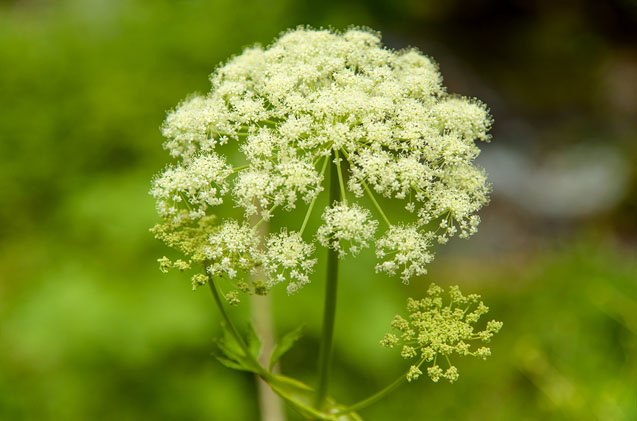
When you’re out for a walk by the water, keep your dog away from this wild flower. Water hemlock is one of the most toxic plants to dogs.
You may already know that certain plants and foods can be dangerous, even deadly for dogs. It is probably drilled into your head that you shouldn’t let your dog eat chocolate, and you may also be familiar with some of the more common houseplants that can be toxic when ingested. But what is the most deadly plant for dogs and where does it grow?
Related:Poisonous Plants For Dogs
What is Water Hemlock and Where Does it Grow?
Also known as Cowbane, poison parsley, or poison parsnip, water hemlock may be the most violently toxic plant for pets in the United States. This plant is a wildflower that grows naturally in wet areas such as along riverbanks, in marshes, and in damp areas in pastures. Water hemlock looks like an umbrella-shaped cluster of tiny white flowers growing at the end of a thick, rigid stalk. The name water hemlock actually applies to four species belonging to the Cicuta genus, though they are all similar in appearance. These plants can be found throughout the temperate regions in the Northern Hemisphere, primarily in North America but also in parts of Europe.
What are the Dangers of Water Hemlock?
All parts of the water hemlock plant are poisonous, though some parts have a higher concentration of the poison than others. This plant contains two toxins – cicutoxin and cicutol – which have a damaging effect on the neurons in the brain and on the central nervous system as a whole. The roots of the water hemlock plant contain the highest concentration of these toxins, though the leaves and stems also contain these toxins during early growth. The toxins found in water hemlock have a carrot-like odor and they take the form of a brown or straw-colored liquid that is released from the stems when they are broken or cut.
Related:What are the Dangers of Foxtails to Dogs?
The damaging effects of water hemlock typically become evident within minutes of ingestion. Water hemlock is particularly dangerous for horses – all it takes is 0.2 to 2 pounds of hemlock root per 1,000 pounds of bodyweight to kill a horse and it can happen as quickly as 15 minutes after ingestion. The most serious problems caused by this plant are violent seizures which can result in cardiovascular collapse and/or asphyxia. Some of the other signs of water hemlock poisoning in dogs may include:
Because the effects of water hemlock poisoning can spread quickly, and because they are severe, you need to be extremely careful to make sure that your dog never comes near this plant. In the event that your dog does come into contact with it, seek emergency veterinary care immediately – the vet may be able to administer anti-convulsants to help control the seizures that could prevent your dog’s organs from functioning properly. Fortunately, water hemlock only grows in wet areas and it is not the kind of plant that most dogs would seek out to eat. Still, it is a good idea to keep a lookout, just in case.