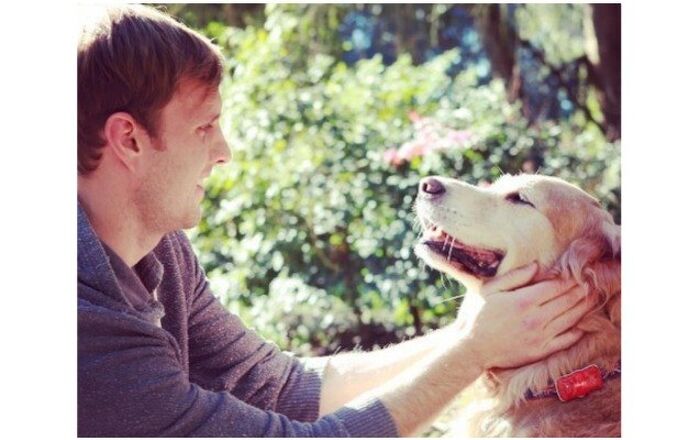
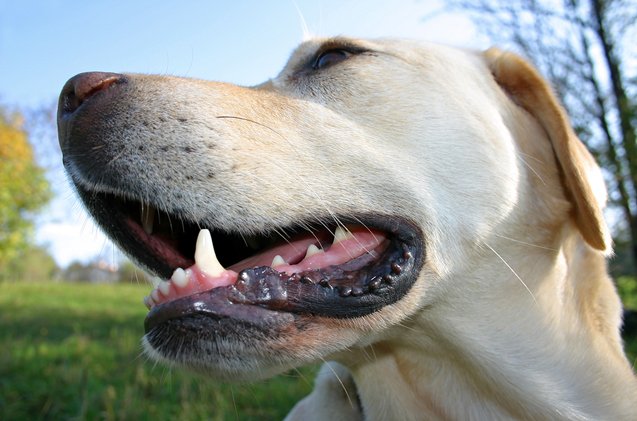
We love it when our doggos have that pearly white smile, don’t we? It means that their teeth and gums are in good shape and that’s a good indicator for their overall health.
But keeping those teeth nice and clean isn’t as easy as we wish it was.
Not everyone has the patience to brush their dog’s teeth and some dogs simply won’t tolerate a dental cleaning. Just because you can’t brush your dog’s teeth, however, doesn’t mean that you can neglect his dental health. If the act of brushing your dog’s teeth is going to cause serious stress and anxiety, it’s time to consider another option. We’ve put together six alternative ways to keep your dog’s teeth clean.
1. Water Additives
Perhaps one of the simplest ways to improve your dog’s dental health is to use a water additive. These additives may contain ingredients like enzymes that help to break down plaque while other ingredients help to freshen your dog’s breath. While veterinarians suggest that water additives are not a replacement for regular dental exams, they can help to prevent excessive plaque buildup. They change the pH of your dog’s saliva to help break the biofilm that leads to plaque and tartar buildup in the first place, and this can keep your dog’s teeth free from needing cleaning longer.
The best part? Many of these products have little or no taste, meaning that your dog may not even realize that there is an additive in their water. This makes it arguably the easiest way to incorporate dental care into your dog’s regular routine. These products can, in some cases, run a little high in price but you can help to keep the cost down by purchasing in bulk – especially if you have more than one dog in the house!
2. Food Additives and Supplements
In the same vein as water additives for your dog, consider food additives and supplements. More and more research suggests that gut health guides our overall health, and that of our dogs as well. That means it also guides our oral health and that’s why you see so many supplements out that go on foods to help keep your dog’s teeth clean and breath fresh.
Food additives are products that are designed to be spread on top of your dog’s regular meals, adding additional nutritional benefits for better oral health, improved digestive function, and more. They can come in different consistencies and presentations, ranging from a simple powder that may go completely unnoticed by your dog to a more elaborate food topper that your dog considers to be a special treat with their meal.
One we especially like is Bernie’s Perfect Poop. It’s not powder like many dental additives are; it’s more like crispies to top your dog’s food with. What we love, though, is that it’s a blend of a high-quality fiber, pre- and probiotics and digestive enzymes that all work together to give your dog his best gut health. How does that help keep his teeth clean, you ask? Simple. The digestive enzymes help break the food you give your dog down and leave less on the teeth. This means better nutrient absorption as well. The pre- and probiotics are key for keeping your dog’s gut healthy with good bacteria–not the stinky kind that overruns and then dies off in your dog’s gut and leaves rotten smells behind. Fiber helps reduce gas that sometimes misfires and ends up coming back up in the form of stank breath too.
3. Tartar Control Treats
Another option to help prevent the buildup of plaque and tartar on your dog’s teeth is to switch to tartar control treats. Again, these treats do not replace the need for regular dental cleanings, but they can help to prevent excessive tartar buildup. One thing to be aware of with dental treats is that they often contain more calories that you realize. Of course, this is true of most dog treats, but it could still become a problem if you are not careful. As with any treats, only offer dental treats to your dog in moderation.
If you are currently in the process of training your dog and using training treats on a daily basis, consider trading in your little training treats for smaller tartar control treats. After all, if your dog is enjoying treats already, why not make those treats that can also benefit their health and well-being! Many of these treats incorporate tasty flavors that your pup will love. To keep the calorie count down, you may need to cut the treats up, or the intake can add up quickly.
For dogs that aren’t interested in the smaller tartar control treats, there are larger chew-style treats that work to help remove the plaque from your dog’s teeth as they chew. Some of these chews even include the enzymes discussed above in the water additives, improving their effectiveness in cleaning your dog’s teeth. While they still aren’t quite as powerful as brushing your dog’s teeth, they can have a significant impact on your dog’s oral health over time as part of a larger dental care plan.
Related:Talking About Tartar Buildup On Dog’s Teeth
4. Raw Bones
Dental treats are not the only way to help prevent plaque buildup on your dog’s teeth – you can also offer him raw bones. Before you go out and buy raw bones for your dog, however, you need to think about the right type and size of bone for your particular dog. If you buy your bones at the pet store they may be labeled to let you know what size dog they are recommended for. If you shop at the butcher or grocery store for your raw bones, consider lamb shanks and lamb necks because they are easy to digest and they provide excellent dental benefits.
5. Dental Foam
Just as water additives help to freshen your dog’s breath and keep his teeth and gums clean, dental foam provides similar benefits. To use dental foam you simply pull back your dog’s lips and spray it onto his teeth and gums. For the best results, look for an all-natural product.
These products are often found to be less effective than many of the others on this list, meaning that they aren’t likely going to make a significant change to your dog’s oral health on their own. However, they are a great addition to boost the care provided by another option on this list.
Related:Burt’s Bees Multicare Dental Foam and Dental Spray
6. Dental Toys
If your dog won’t let you brush his teeth, he will probably have no trouble accepting a new toy. There are many dog toys on the market that provide teeth-cleaning benefits for dogs. These toys offer a textured surface that works by gently scraping away soft tartar as your dog chews on the toy and they come in many forms including rawhide, nylon, and rubber. They are available in a wide variety of different sizes and designs, ranging from softer puppy-friendly toys for your new furry family member to highly durable toys that are built with the heaviest chewers in mind.
Pay careful attention to what the toys that you have chosen are made from. Some toys are made using edible materials, designed for your dog to chew and eat them without any concerns, while others are made from non-edible materials like rubber and nylon. If the toy isn’t designed to be digested, make sure to check it regularly for signs of wear and tear. If you notice significant wear or believe that your dog may be able to get a piece off the toy in its current condition, it’s time for it to be replaced.
7. Dietary Changes
In addition to switching to dental treats and bones, making changes to your dog’s diet can also help to improve his dental health. If you do your research you will find that many dog food manufacturers offer a dental health formula that includes larger kibble sizes to scrub plaque from the surface of teeth. If you are interested in switching to a dental health formula for your dog, look for a product that bears the Veterinary Oral Health Council (VOHC) approval seal on the package.
Dental health is just as important for your dog as it is for you. Not only do you need to take your dog to the vet for regular dental check-ups, but you should consider employing some of the methods above to maintain your dog’s dental health in between visits.