Australian Retriever Basics
The super smart Australian Retriever makes a great addition to any family as he brings together the intelligence of the Golden Retriever and the even-tempered nature of the Australian Shepherd. This pooch is great with kids and other animals however can have a tendency to become protective of his “stuff” including his pet parent so supervision is recommended when he’s around very young children or new dogs.
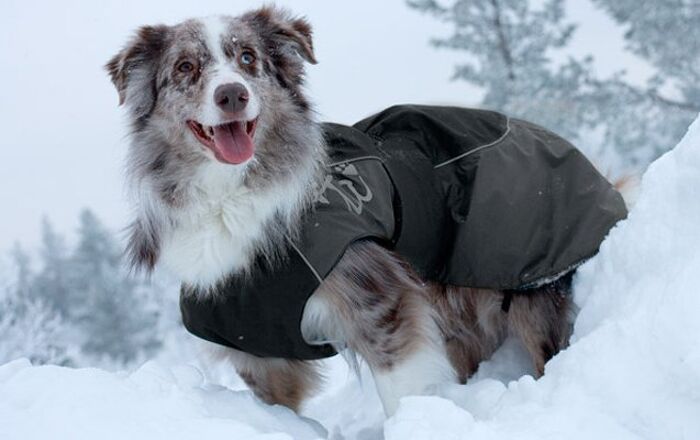
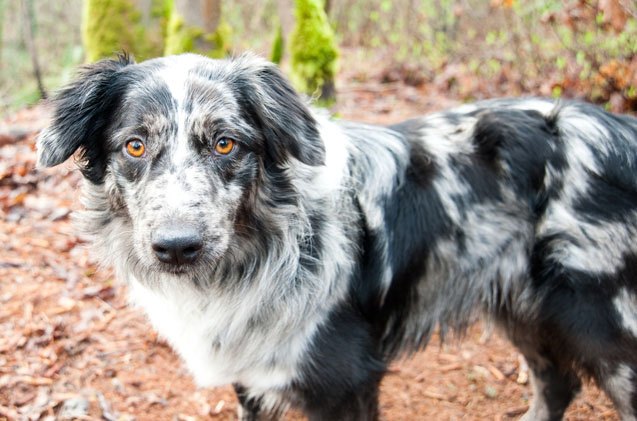
The Australian Retriever brings together the intelligence of the Golden Retriever and the even-tempered nature of the Australian Shepherd.
Origin
Australian Retrievers are the outcome of crossing a purebred Golden Retriever – that dates back to the mid-1800s America and the Australian Shepherd who surprisingly dates back to around the same period of time in America as well. In spite of the origins of both breeds going back over 150 years, the Australian Retriever himself dates back just 10 or so years and is considered a designer dog – which means he’s a cross of 2 or more different pure-breds where the goal was to cancel out some of the more common health issues or even create smaller, gentler and sometimes hypo-allergenic variations on a popular breed.
Pedigree
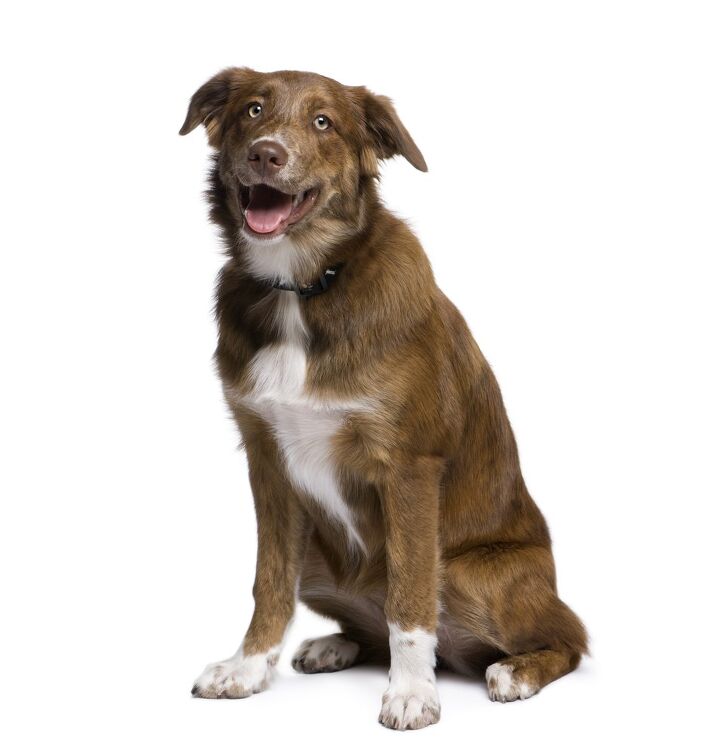
With a mix-breed background, the Australian Retriever is not eligible to join the American Kennel Clubs (AKC) roster of purebreds however both his parent breeds are members: the Australian Shepherd joined the “herding” group in 1993 while the Golden Retriever joined the “sporting” group in 1925.
Food/Diet
The Australian Retriever is a highly active dog that will need a top- quality kibble that is specifically designed for a dog of his size, age and activity level. Because he can be prone to joint issues later in life, its important to ensure his weight is maintained which means you need to avoid fillers such as carbohydrates that may cause him to overeat to feel full. Aim for high protein foods and plan to feed him two to three times a day versus free-feeding.
An intelligent, affectionate and easy-going dog, the Australian Retriever is great with children and other animals.
Training
Socialization with the Australian Retriever is an important part of his training and is necessary because of the combined herding and hunting nature of his parent breeds. You want to ensure he knows how to play nice with other animals, so start early. This is a highly intelligent dog who will pick up commands easily however its important to take a firm, consistent approach that establishes pack leadership to ensure he listens and responds. Rewards of treats and verbal praise will go a long way in bringing out the best in this dog.
Weight
When the Australian Retriever reaches adulthood, he will typically weigh between 30 and 50 pounds.
Temperament/Behavior
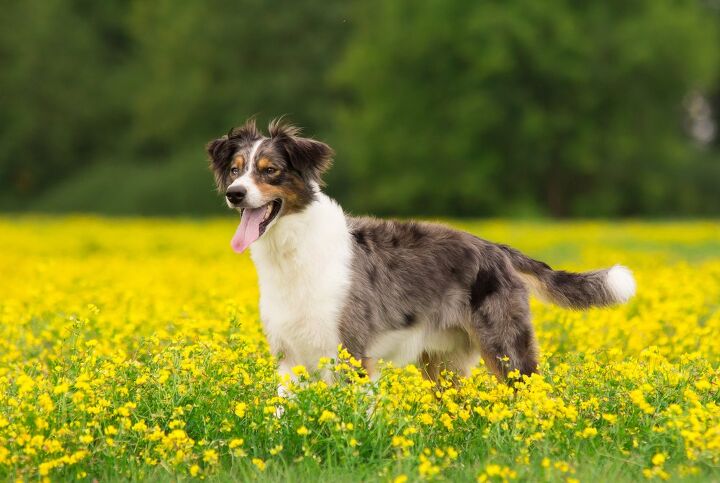
An intelligent, affectionate and easy-going dog, the Australian Retriever is great with children and other animals. He bonds quickly with his family and can become possessive of both his “stuff” and his human pack so won’t hesitate to bark or act out if he feels its warranted. This dog has a natural herding instinct and while it can be curbed somewhat through early socialization it won’t necessarily stop him from trying to corral smaller animals – at home or at the dog park.
Common Health Problems
The Australian Retriever is considered a healthy dog however he can inherit issues from his pure-bred parents later in life that potential owners should be aware of. For this pooch that can include joint problems including hip and elbow dysplasia, eye issues including cataracts as well as certain forms of cancer.
Life Expectancy
The Australian Retriever has a life expectancy of between 12 and 15 years.
Exercise Requirements
Your Australian Retriever is one energetic pooch and will need scheduled walks at least twice a day plus interactive playtime. A large fenced yard for chasing tossed balls is ideal for this pooch, along with regular visits to a dog park where he can socialize with others. Because he tends to pick up a scent and wander off, ensure that any leash free zone is fully fenced. Without sufficient exercise, this dog can become bored and develop bad habits such as chewing and barking.
The easy-going Australian Retriever bonds quickly with his family and can become possessive if not socialized early on.
Recognized Clubs
Also known as an Aussie Golden Retriever, the Australian Golden Retriever isn’t eligible to join the American Kennel Club however he is recognized by the American Canine Hybrid Club (ACHC), the Designer Dogs Kennel Club (DDKC), the Dog Registry of America, Inc. (DRA) and the International Designer Canine Registry (IDCR).
Coat
The Australian Retriever is a moderate- to heavy-shedder and will typically have a longer, coarse coat that is slightly wavy and will require brushing two to three times a week to keep it looking its best. Infrequent visits to a groomer may be required if matting occurs but bathing should be done only as needed and with a good dog shampoo. Because he is a floppy eared dog, it’s important ears be inspected and cleaned weekly to avoid potential infection.
Puppies
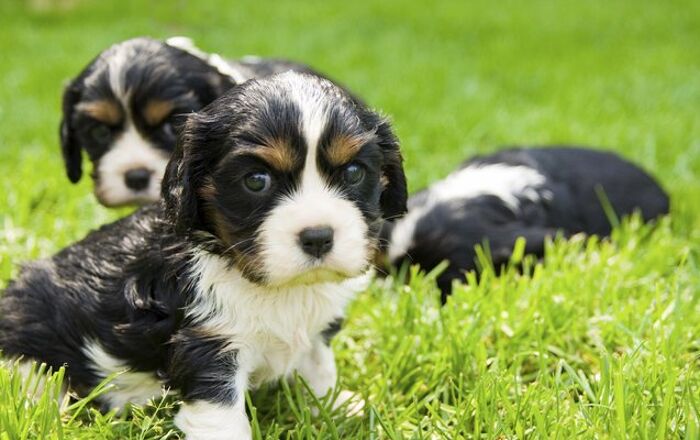
The Australian Retriever pup is a sturdy little dog who is full of energy and will want to play all day long. Because he can be prone to joint issues later in life, be careful not to overdo exercise as it can injure tiny limbs. And because this pooch can be prone to chasing and herding, begin his socialization early on to avoid nuisance behavior at the dog park.
Photo credit: Anna Hoychuk/Shutterstock; SteffiMueller/Shutterstock; Eric Isselee/Shutterstock