Balinese

Published A Few Days Ago
ADVERTISEMENT
fast facts

About Balinese

Weight
8-12 lb
Physique
Wedge-shaped head
Lifespan
18-22 years
Best Suited For
Families or individuals who can provide constant companionship
Temperament
Intelligent, affectionate, loving, inquisitive
Comparable Breeds
Siamese, Singapura
Height
6-7 inches
ADVERTISEMENT

Balinese Breed History

The generally accepted theory for the appearance of the Balinese is a spontaneous mutation in Siamese cats for long hair. They do not come from Bali, but originated in the United States. There is only one gene difference between the two breeds. In all probability, longhaired Siamese kittens occasionally appeared, and one was registered with the Cat Fanciers Federation in 1928. In the 1950s, however, the idea caught the imagination of breeders who made a serious effort to promote the mutation into a stand-alone breed. In the 1960s, Helen Smith of MerryMews Cattery bestowed the name “Balinese” on the cats, which she compared to Balinese dancers. The breed was granted CFA grand championship status in 1970.

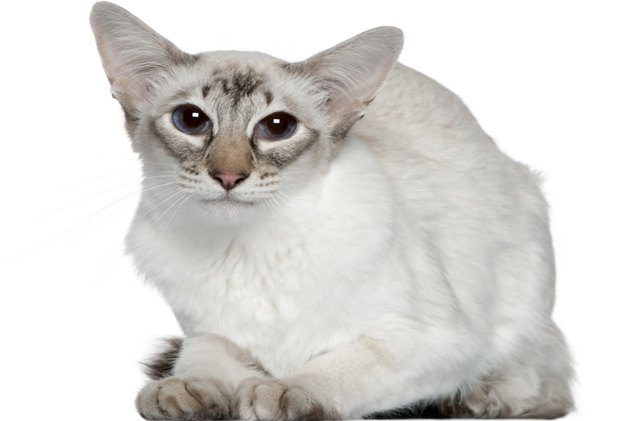
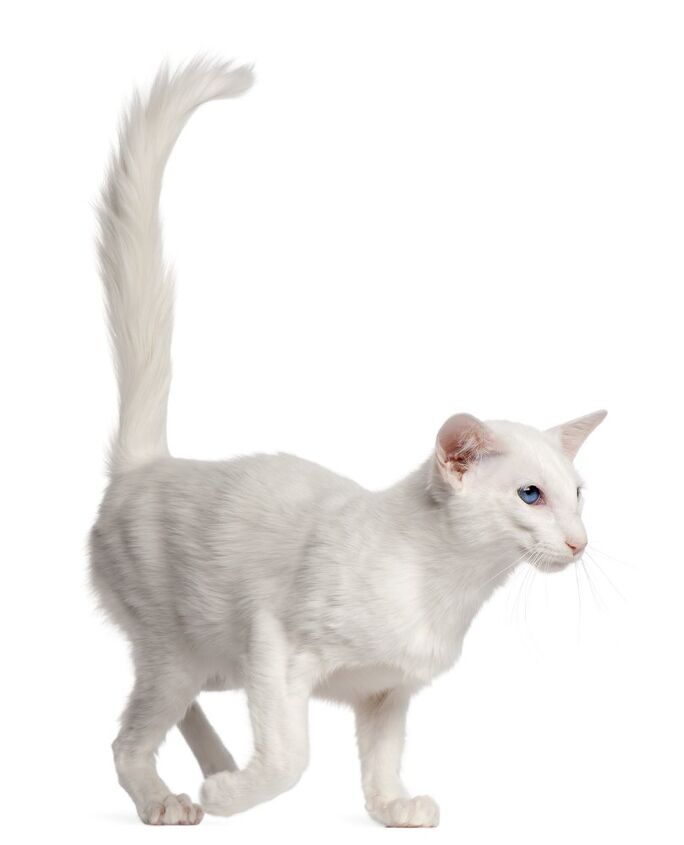
Elegant, graceful, and intelligent, the long lines of the Balinese create a svelte, muscular cat that is both supple and strong.

Breed Traits
ADVERTISEMENT

Elegant, graceful, and intelligent, the long lines of the Balinese create a svelte, muscular cat that is both supple and strong. These long-haired beauties have a more than healthy curiosity about life — primarily yours. The alert sapphire eyes sparkle with inquisitive good humor, to the point that Balinese are often described as big-hearted clowns. They have been rated as the most intelligent of all the long-haired breeds. If left on its own for long periods, the Balinese becomes terribly lonely. They are definitely playful, people cats and enjoy being with a family, following their humans from room to room talking. They are easy going, and do well with other pets.

Overall Description

Similar in physical confirmation to the Siamese, the Balinese has a long, slender body that belies this cat’s natural athleticism. Look for engaging blue eyes set in a wedge-shaped head. Two types are shown, the “traditional” and the “contemporary.” The traditional sports a coat about two inches longer, and it is the sturdier variant of the breed. The contemporary is reminiscent of the Ragdoll, with a semi-rounding of the muzzle and ears. The Balinese has rather large ears, a straight nose, and almond eyes.

Colors

The Balinese coat can be found in frost, chocolate, seal, cream, red, blue, lilac, and fawn. The seal, chocolate, blue, and lilac are the traditional Siamese colors. Red, cream, and tabby patterning were recognized as acceptable for the breed in 1979, and there are also some tortoiseshells of all colors with both solid and tabby points.

Grooming Requirements

ADVERTISEMENT

The silky flowing coat of the Balinese has remarkable qualities. It lies close to the body, conforming to the cat’s natural lines, but it does not mat because it has a single layer only. At the tail, the hair forms a regal plume. These characteristics make the Balinese unusually low maintenance for a longhaired cat. Brushing twice a week should be all that is required to keep its coat in top condition.

Photo credit: Eric Isselee/Shutterstock

ADVERTISEMENT

ADVERTISEMENT

You May Like

PetGuide’s Best Dog Toy of 2018: Petmate’s Chuckit RingChaser

We’ve searched high and low and are thrilled to announce the winner of the PetGuide Best Dog Toy of 2018 is the Petmate Chuckit RingChaser! It’s…

Best Dog Door

A dog door is a great choice for trained dogs that live in a house with a fenced yard- they''ll give your pet a sense of freedom and independence.

Canadian Canine Oscar’s Chilly Response To Winter, Eh!

Having a small dog in a cold climate is a challenge. Having a small dog who hates everything to do with winter in a cold climate is a battle of wills.

Why Are Cats So Protective of Their Bellies?

Have you ever rubbed a cat''s belly? Chances are, that if you ever tried, you got a hiss and a paw full of claws for you troubles.

Dach Griffon

The spunky, cheerful, and bubbly Dach Griffon is a new designer dog, developed by crossing the Dachshund with Brussels Griffon.

Adoptable Dog of the Week – Biscuit

What a sweetie! This is Biscuit, our Adoptable Dog of the Week. He''s a five-year-old male Chihuahua mix from Wenatchee, Washington.

U.S. Senators Introduce Legislation To Protect Pets In Air

Policy changes regarding the transportation of pets have been proposed by two U.S. Senators after the tragic death of a puppy on United Airlines.

Best Bark Collars for Small Dogs

To help you stop your dog from barking, we handpicked the best bark collars for small dogs on the market. From vibration and sound-only bark collars to shock, and spray anti-bark collars, here are 10 bark collars that will help you get some peace and quiet – finally!

All Aboard! Law Allowing Dogs On Amtrak Trains Is On Track

Congressman Jeff Denham gaining traction with bill that allows small pets on Amtrak trains. I always feel guilty leaving my dog behind when I go on adventure…

Adoptable Dog Of The Week – Katie

We’d like you to meet Katie, our Adoptable Dog of the Week from Adoptapet.com. Katie is a female adult German Shorthaired Pointer from Omaha, Nebraska.…

Can Dogs Eat Strawberries?

Can dogs eat strawberries raw or cooked? Are there any benefits or risks? Strawberry dog treat recipes? Find out this and more in this all-in-one guide.

Polish Lowland Sheepdog

The shaggy Polish Lowland Sheepdog (or PON as it''s known in the United States) is native to Poland and was bred as a specialist sheep herder.

Global Pet Expo 2018: Dude! Carolina Pet Company Rolls Out The Big LeB

Carolina Pet is celebrating a 20-year-old cult classic with the release of its Big LeBARKski collection at this year''s Global Pet Expo.

Why Do Cats Eat Grass?

What a strange habit! But why do cats eat grass at all? Digestion? Tasty treat? If you''ve got a furry lawn mower on your hands, we have the answer for you.

Is College the Right Time to Get a New Pet?

Many pets end up on the streets or at rescue centers because college students haven''t fully thought through everything that pet ownership entails.