Barbet Basics
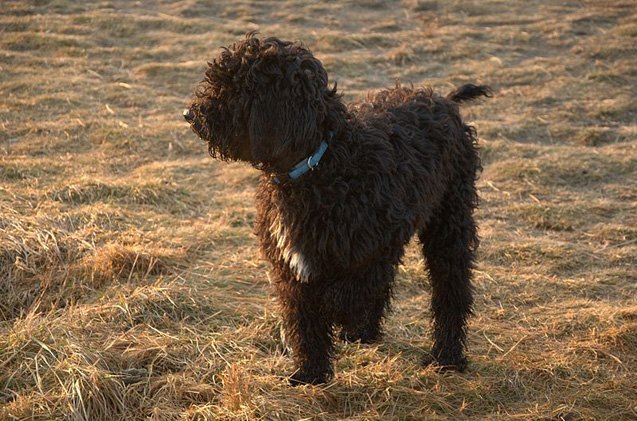
The Barbet is a medium-sized breed of French water dog, known for its dense curly coat. Though they are a rare breed, the sight of one of these dogs is certainly one to behold. They stand proud and strong, though they can also be seen playing in the mud. Generally a friendly and fun-loving breed, the Barbet is a wonderful choice if you are looking for a new family pet.
The Barbet is a medium-sized breed of French water dog, known for its dense curly coat.
Origin
Though this breed is still very rare in the U.S., it has existed for quite some time. The name of this breed comes from the French word for beard, “barbe.” Throughout its history, the Barbet was used equally as a companion pet and a working breed, which continues to be the case today. Though the exact origins of the breed are unknown, the Barbet is thought to be the common ancestor of many modern water dogs including the Poodle, the Portuguese Water Dog and the American Water Spaniel. In fact, for hundreds of years, the name Barbet and Poodle were used for the same dog in France and Germany. The popularity of this breed is starting to pick up in the United States, but its current estimated numbers still only lie somewhere between 150 and 200.
Pedigree
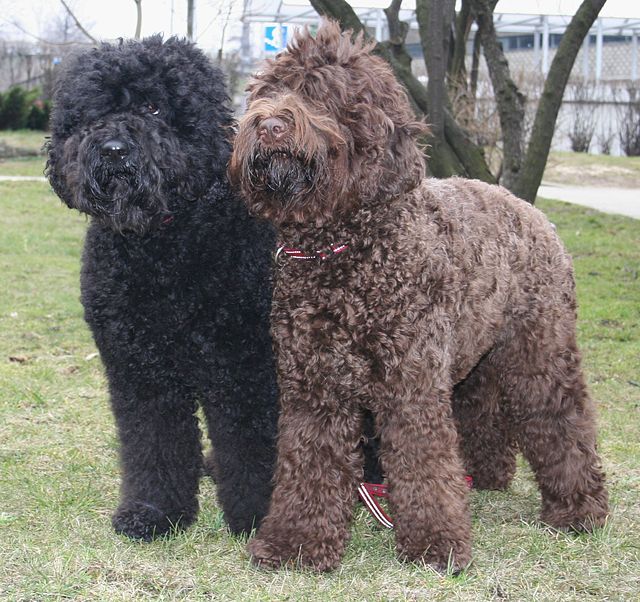
The Barbet is a very old breed, the first references to it coming from 1387. This breed is thought to serve as a common ancestor for modern water dogs including the Poodle.
Food/Diet
Given that the Barbet dog is a medium-sized breed, it is best to use a large-breed dog food formula. If you plan to use your dog for hunting or agility, make sure to use a dog food formulated for active dogs to provide your pooch with the energy he needs.
The Barbet is a very intelligent and trainable breed.
Training
The Barbet is a very intelligent and trainable breed. Unlike some dogs with high intelligence, this breed does not tend to be dominant or headstrong. The Barbet makes an excellent hunting companion for retrieving waterfowl – his thick coat and webbed feet make him a great swimmer. This breed is also talented in agility training, being a top competitor in agility shows in France.
Even if you do not plan to hunt or show your Barbet, training is still very important. Providing your Barbet with consistent training will ensure that he does not develop problem behaviors such as excessive chewing or barking. Socialization is also important, particularly when the dog is still young, to make sure he remains friendly around strangers and other dogs.
Weight
The average weight of an adult Barbet is generally between 37 and 62 pounds. Females of the breed tend to be a little smaller than males.
Temperament/Behavior
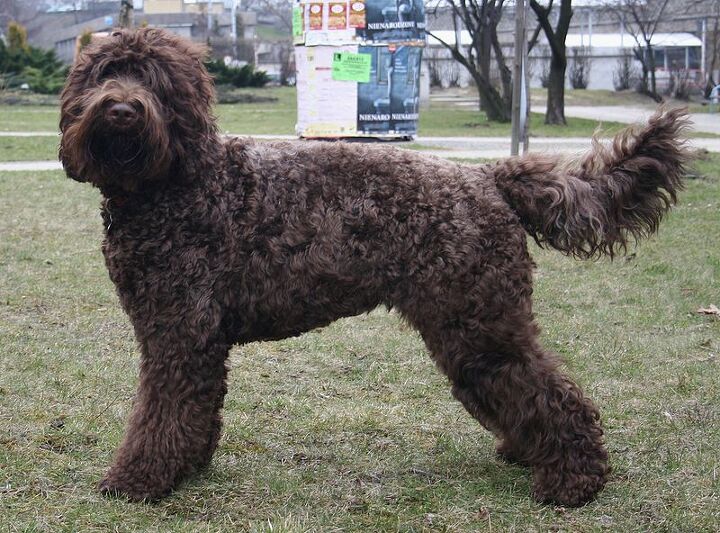
The Barbet is an intelligent and obedient dog with a friendly and fun-loving personality. These dogs have been known to have a bit of a goofy side, being just as likely to sit calmly next to their owner as they are to play in the mud. This breed is very companionable by nature, making it an excellent breed for seniors and families with children. These dogs tend to bond very closely with their families and they like to be kept in the loop with family activities at all times.
Bred for hunting, the Barbet has an active and intelligent mind which needs frequent exercise. To keep your dog from developing problem behaviors, you should engage your dog in consistent training and play plenty of games. The breed typically does very well in obedience and agility training, so consider one of these activities for your dog.
Common Health Problems
The fact that the Barbet breed is so rare means that little is known about the long-term health issues to which this breed is prone. Some of the most common health problems seen in this breed include ear infections, hernias, epilepsy and hip dysplasia. Ear infections in particular area fairly easy to prevent by keeping the ears clean and dry. Instances of hip dysplasia can be reduced through responsible breeding practices.
Life Expectancy
The average lifespan for the Barbet breed is 13 to 15 years.
Exercise Requirements
The Barbet breed is bred to work, so they will not be happy if they are kept cooped up indoors all day long. In order to stay healthy, the Barbet needs plenty of daily exercise and time to stretch his legs. Take your dog for a long daily walk and give him plenty of playtime and time outdoors as well.
The Barbet is an intelligent and obedient dog with a friendly and fun-loving personality.
AKC
The Barbet can be registered with the ARBA or the UKC, but it has yet to be officially recognized by the AKC. Currently, the breed is in the Foundation Stock Service Program – once the number of registered Barbets in the U.S. reaches 150, the breed will be fully accepted by the AKC.
Coat
The most recognizable feature of the Barbet breed is its long, wooly coat. A Barbet’s coat may vary from wavy to color and some of the acceptable colors including solid black, brown, fawn, gray, and white. The thickness of the dog’s coat helps to protect it in cold water and it also means that the breed tends to shed very little – shed fur tends to get matted into the coat rather than falling off the dog. This being the case, regular brushing and grooming is necessary to keep the coat from matting too much.
Puppies
Barbet puppies are nothing more than fluffy bundles of love – they can’t wait to cuddle and play. Though you may be tempted to give in to your puppy’s every whim, it is important that you institute obedience training from an early age. Socialization is also important for puppies to make sure that they get along well with other dogs as adults.
Photo credit: Pleple2000/Wikimedia; Bwierc/Wikimedia