
Glass Fish General description
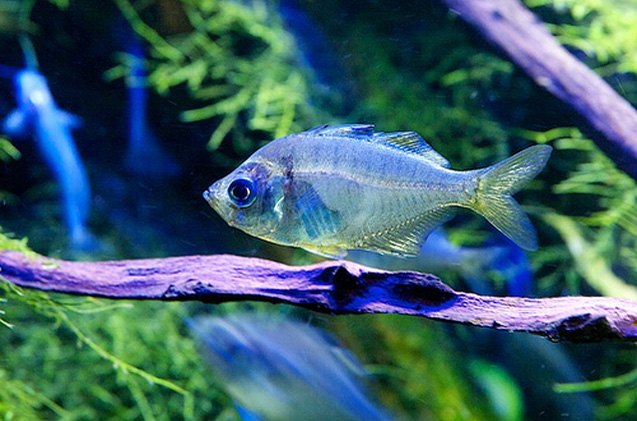
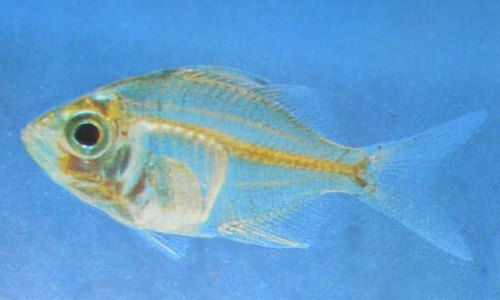
Also known as the Indian Glassy Fish, Indian Glassy Perch, Indian X-Ray Fish, Siamese Glassfish, and sometimes as the Malaysian Glassy Fish, the Glass Fish is one of the more fascinating species of aquarium fish. This species is sometimes sold under its full scientific name-Parambassis ranga. Its most astounding feature is its completely transparent body which reveals its bones and internal organs, hence its name. These stunning fishes also have a shy, peaceful temperament and need to be kept with tankmates of similar size and nature. Even better- buy five or more Glass Fish for your tank, as this will minimize their shyness and need to hide. The reason for this is that they are so-called schooling fish, which means they do best when they have a group of their fellows to stay together and swim in the same direction with.
When buying this fish from a pet store it is important to avoid fish labeled “dyed glassfish” or “disco fish.” These are fish which have been injected with artificial dyes to make them more attractive to the average hobbyist. Many beginner aquarists are fooled into believing that these colorations are natural when in fact the process in which they are injected into the fish is extremely stressful and often causes disease and death. And even with all that cruelty, those fishes that miraculously survive this barbaric procedure lose their artificial color after a few months. The only type of Glass Fish you should ever buy is completely transparent- that is your only guarantee that you’re not buying sick and mistreated fish.
Also known as the Indian Glassy Fish and sometimes as the Malaysian Glassy Fish, the glass fish is one of the more fascinating species of aquarium fish.
Origins
These striking translucent fishes originate from South Asia. Their native habitat is in areas from Pakistan to Malaysia, which accounts for the Parambassis Ranga common name- Indian Glassy Fish or Malaysian Glassy Fish. They usually occur in standing water, such as impoundments (dammed streams)- and it is freshwater that they live in. This is important to note because the myth that Glass Fish needs to live in a brackish tank is very common among both novice and experienced aquarists.
Color
Glass fish are completely transparent in color. Males often develop a black tinge on their dorsal fins. Any traces of exotic, vivid colors is the result of artificial dyeing, a process that is painful and harmful for the fish.
Maintenance and care
Glass fish are a small species that grows only up to about 3 inches in length. However, this does not mean that they don’t need a spacious tank. As a rule of thumb, the tank shouldn’t be smaller than 10 to 20 gallons, but the ultimate size will depend on other inhabitants and the number of Glassfish in it. They are a schooling species of fish and do best when kept in large shoals. A minimum of 5 Glass Fish per tank is recommended, but you can get more of them is the size of the aquarium allows it. When kept alone or in small groups, these fish can become extremely timid and suffer from stress. They will hide all the time and their quality -and length- of life will be seriously lowered.
The water in the tank should be freshwater, slightly acidic to slightly alkaline with a pH value of 6.5 to 7.5. Brackish water makes them lethargic and it’s not suitable for their living environment. Glass Fish prefer large freshwater tanks with a lot of free space for swimming (they are fast and playful swimmers), paired with heavy vegetation and rocks to mimic their habitat. Owing to their place of origin, these fishes also require the water temperature to be at approximately 68° to 86° degrees Fahrenheit to thrive.
These fish are a very peaceful species and make excellent tank mates for other small to medium sized, non-aggressive fishes. They should not be kept with larger, predatory species which may harass or devour them. Ideally, their choice of aquarium companions would include species such as Guppies, small Tetras, or White Cloud Mountain Minnows.
In general, Glass Fish is not demanding in terms of maintenance and care they require. Compatible tank mates, basic equipment setup for optimal freshwater conditions and your translucent stunner will be healthy and happy in your tank. As long as their needs are met, they can live for up to 3 to 4 years- if they weren’t injected with dye.
Feeding
Glass fish are carnivores and thrive on live foods such as mosquito larvae, tubiflex worms and blood worms. They can also be fed with frozen and freeze dried foods. Flakes should be avoided, because they don’t seem to have an appetite for it.
Glass fish are a small species of fish that grows only up to about 3 inches in length.
Breeding
In the wild they spawn during the monsoon seasons when temperatures increase and the rains reduce water hardness. They can be induced to spawn in the aquarium by adding small amounts of freshwater to the aquarium daily and by gradually increasing the water temperature. Glass fish spawn on broad leaved plants. However, the adults will eat their own eggs and fry. So when breeding them it is best to separate the breeding pair into a heavily planted spawning tank and remove them once the eggs are laid.
Photo credit: Sam Wise/Flickr; Krishna/Flickr