Bootie Call: Bootie-licious Tips For Picking Out Dog Boots

Published A Few Days Ago
ADVERTISEMENT

Get your mind out of the gutter! There’s nothing wrong with a little bootie action… when they’re on your dog’s paws.

If you want a straight answer, I’m not afraid to offer one up. For example, people often ask me if they should put boots on their dog, and my answer is always a resounding… “maybe.”

Let me explain.

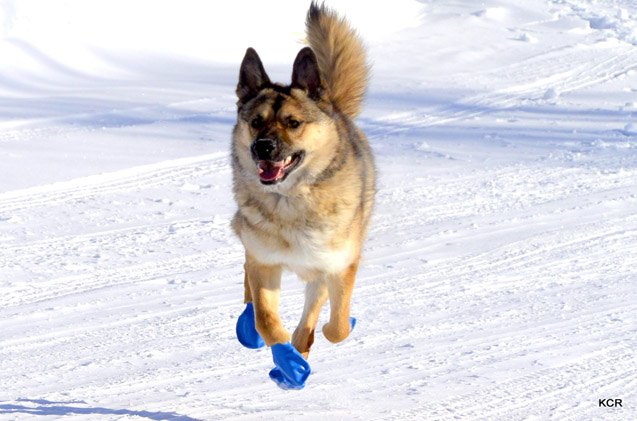
Booties, when used properly on your dog, will help avoid or manage problems associated with your pooch’s paws. If your dog routinely suffers from uncomfortable ice balls between his toes, or struggles with small cracks or cuts to his paws, you should really slap some from booties on that dog. Your dog will also benefit from booties if he runs on hard, crystallized snow.

Related:

Pawz Dog Boots Review

When used improperly, booties will do more harm than good. A bootie that’s too tight, not tight enough or not the correct height will cause nothing but problems for your pet.

On top of that, the question of which dog bootie is best needs some serious thought. Oftentimes, manufacturers design dog boots to appeal to the people, not the pets.

Related:

Paws Jawz Review

I’m here to tell you that not all booties are created equal!

In order for a dog bootie to be effective, they need to:
ADVERTISEMENT

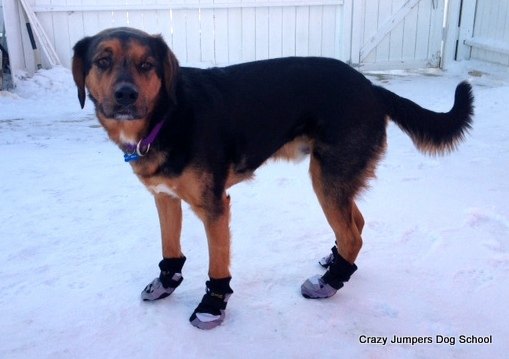
Stay on: A bootie only works if it stays on. The biggest complaint I hear (and have) about dog booties is that they fly off when the dog starts moving at any speed. Look for a bootie that looks secure. Compare brands before you buy, look at the length of the strap, and how the manufacturer has designed the mechanism to tighten the bootie. People are scared to tighten the booties, due to the risk of cutting circulation off to the dog’s paws. Unless you are the Incredible Hulk, it’s going take some real work to get a bootie so tight that it cuts off circulation. When the weather is cold enough to warrant booties, you aren’t going to be outside long enough to risk cutting off circulation. Keep in mind that booties do need to go on tight, but don’t wrench them on – you could hurt your dog in the process. As well, never leave your dog unattended with booties on, and monitor his paws closely.
ADVERTISEMENT

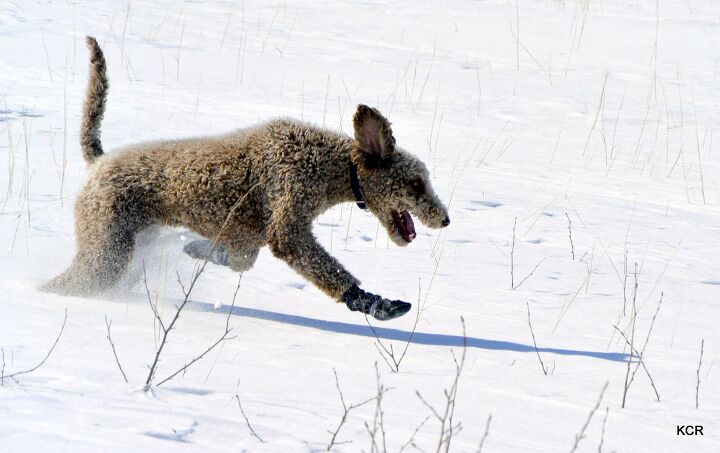
A bootie needs to have enough room for the dog’s toes to spread during walks or runs. Some booties seem to be designed to appeal to humans, not for dogs to wear. While these booties may look like a serious pair of hiking shoes, your dog has already been designed with some serious hiking gear – his paws. They work best when his toes can spread as he walks and runs. A bootie needs to be wide and flexible enough to allow the dog proper freedom of movement.

Do you have any dog bootie questions you’d like to ask? I’ve seen – and tried – them all! I’d be happy to share my experiences with you… just leave them in the comment section below.
ADVERTISEMENT

ADVERTISEMENT

You May Like

Ask the Hairy DogFathers: Pet Sitting Predicament

What do you do for a friend who''s house and dog sitting while you''re away? The Hairy Dogfathers have a couple of tips for pet-sitting etiquette.

DIY Decorative Dog Dish Towels

Here are step-by-step instructions on how to make your own dog dish towels. They do more than just dry dishes - they also make a fashion statement!

How A Furry Thief Gobbled Our Thanksgiving Turkey And Started A New Tr

The “tail” of how a hungry Golden Retriever’s appetite for turkey brought about a new holiday custom Thanksgiving – otherwise known a…

Cutting It Short: The Basics About Tail Docking in Dogs

Tail docking in dogs has been around for centuries, used for different purposes. In modern times, this practice is usually performed for cosmetic reasons.

Best Vacuum Cleaners for Pet Hair

Vacuum cleaners for pet hair are specially designed to tackle cat and dog hair embedded in carpets, gathered in tufts on floors, or stuck to your furniture.

CatCon Celebrates National Cat Lady Day

Crazy Cat Ladies - the day is yours! CatCon celebrates you and your love of felines with the first official National Cat Lady Day!

Czechoslovakian Wolfdog

The Czechoslovakian Wolfdog was bred for he Czechoslovak Special Forces as an attack dog but has come to be used for search and rescue.

At The End Of My Leash Contest

It’s time for our next contest, and this one’s for both dogs and cats! It’s your chance to win a brand-new collar or harness set from Lupin…

Chesa-Poo

The Chesa-Poo brings together the playful personality of the Poodle and the gentle nature of the Chesapeake Bay Retriever.

Rhodesian Labrador

The Rhodesian Labrador is a mix of Labrador Retriever and Rhodesian Ridgeback. The hybrid breed prefers to be inside in the company of his family.

Yorkie-Pom

The Yorkie-Pom is a lovable designer breed that is a cross between a purebred Yorkshire Terrier and a Pomeranian, making it the ultimate small-breed dog.

Senior Cat Care Tips: The Basics

As your kitty gets older, you might notice some changes in behavior, weight, and overall health. Here are some of the simple things you can do to help an older cat feel comfortable, safe, and happy.

Mastiff

Look up Mastiff online and you''ll be greeted with a plethora of options. The Mastiff is such a varied and multifaceted division in the world of dog breeds.

Liam J. Perk Foundation: Dog Safety Awareness And Education For Famili

After an unthinkable tragedy, the Perk family transformed their sorrow into a foundation that educates parents and kids about living with dogs After darkness…

Icelandic Horse

The Icelandic horse is adaptable, patient, and uncomplicated. It is one of a few horse breeds that can exhibit almost all possible colors.