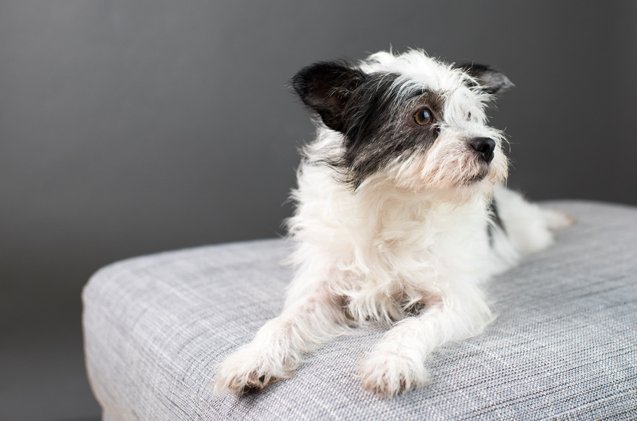
Bossi-Poo Basics
The solid little Bossi-Poo is anything but bossy! He brings the smarts of a Miniature Poodle together with the charming personality of the Boston Terrier for an intelligent, well-mannered and fun-loving pooch who gets along with kids and other pets alike.
The Bossi-Poo is a fun family dog that brings together the personalities of the Poodle and the Boston Terrier.
Origin
The Bossi-Poo is a relatively recent mixed breed dog known as a Designer Dog. Introduced back in the 1980’s these dogs are the result of mixing and matching pure-bred dogs to produce puppies that carry the desired traits of both parent breeds – typically a healthier, smaller, hypo-allergenic or gentler form of a popular breed.
Pedigree
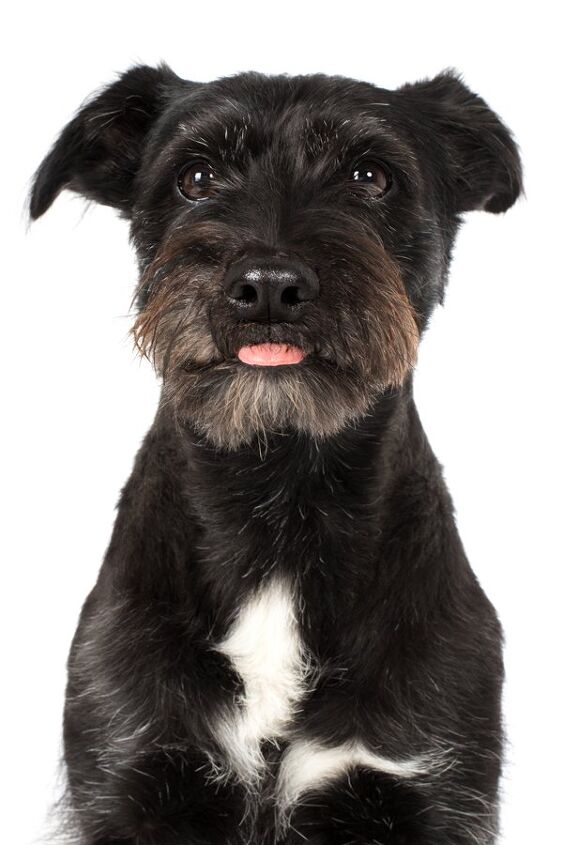
The Bossi-Poo’s mixed breed lineage means he isn’t eligible to join the American Kennel Club (AKC) however both parent breeds are long-time members; the Poodle joined AKCs “non-sporting” group in 1887 while the Boston Terrier has been a member of the same group since 1873.
Food/Diet
The Bossi-Poo is a hardy medium-sized pooch that is fairly energetic so ensure his food is a top-quality kibble designed specifically for dogs of his size, age and activity level. Because Poodles can suffer from digestive issues, choose a low-fat food and plan to schedule meals 2 to 3 times per day versus allowing him to free-feed. Poodles are also prone to bloat so ensure exercise is not taken within an hour of him eating.
The well-behaved little Bossi-Poo loves spending time with his human pack.
Training
Your Bossi-Poo comes from two highly intelligent breeds who have a keen-to-please personality which makes them a fairly quick study when it comes to learning new commands. Training should come fairly easily however the wilful Boston Terrier side may mean he requires a little extra patience. As with most dogs, rewards-based training with lots of praise and treats of your choice will get the results you are looking for.
Weight
Your Bossi-Poo’s weight will be influenced by which parent breed is more prominent. As a result, he could weight between 25 and 50 pounds when he reaches adulthood.
Temperament/Behavior

The Bossi-Poo is a fun-loving, loyal dog that once socialized gets along well with kids and other animals. He is intelligent, highly trainable and does well when left on his own which makes him a great fit for working families. This dog is a natural entertainer and loves nothing more than spending time with his human pack. He is affectionate and usually obedient however may display some of the Boston Terrier stubbornness so plan for obedience training.
Common Health Problems
As with most designer dogs, the Bossi-Poo will not be prone to many of the health issues that can plague his pure-bred parents. That said, it’s always important to know what your new pup could inherit and in this instance, he can be prone to digestive and joint issues from the Poodle as well as a kidney disease called Addison’s and Mitral Valve Disease.
Life Expectancy
Bossi-Poo’s are relatively healthy dogs that will typically live between 12 and 15 years.
Exercise Requirements
The Bossi-Poo can do well in smaller spaces such as apartments as long as he gets regular daily walks and active playtime – either indoor or outdoor. A gated off-leash park would be an ideal addition to his work-out regimen however be aware that he has a high tendency to wander so off-leash in an uncontrolled setting might be risky. As he is naturally skilled in agility, games of fetch will be a perfect fit for this pooch. Remember that he is a single-coated breed so in colder climates he will require some warm outerwear to keep him comfortable.
Your Bossi-Poo comes from two highly intelligent breeds who have a keen-to-please personality.
Recognized Clubs
Also known as the Bossipoo, Bossidoodle, Bostonpoo and Bostondoodle, the Bossi-Poo is not recognized by the American Kennel Club (AKC) however he is a member of the Designer Breed Registry (DBR), American Canine Hybrid Club (ACHC), Designer Dogs Kennel Club (DDKC), Dog Registry of American, Inc. (DRA) and the International Designer Canine Registry (IDCR).
Coat
The Bossi-Poo has a tight, curly single-coat similar to the Poodle and is considered a low- to non-shedding dog. While weekly brushing will be enough to keep him matt- and tangle-free this breed can become a bit smelly so plan to bathe monthly. Because small breed dogs can be prone to dental issues, brush his teeth several times throughout the week and plan to inspect and clean his ears weekly to avoid infection that can occur in floppy eared breeds.
Puppies
Bossi-Poo puppies can pick up the physical attributes of either parent breed including the black and white markings of the Terrier and the curly coat of the Poodle. Either way, they are a fun-loving and easily socialized dog who enjoys play-time. But with a propensity toward joint issues later in life, leash-training and play should be careful to not overtax tiny limbs.
Photo credit: April Turner/Shutterstock.com; SikorskiFotografie/Shutterstock.com; Anna Hoychuk/Shutterstock.com