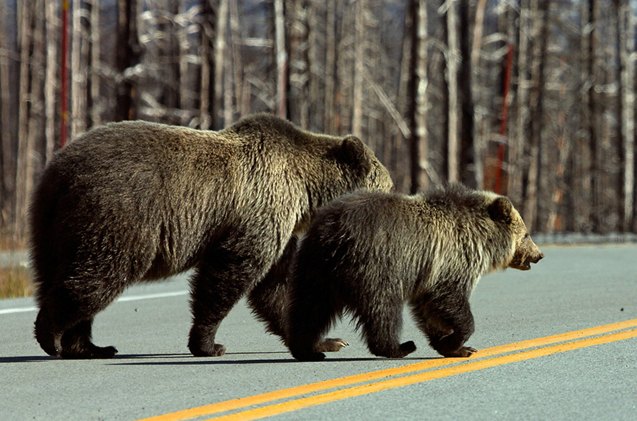
If you’re heading out into the woods for a fall hike with your dog, you may meet up with a bear. Should you put bear bells on your dog’s collar, or are you ringing up the wrong tree?
We welcome fall, with its cooler temperatures and beautiful colors. It’s a great time to get out and stretch our legs. Fall is also the time when the bears are in full on calorie packing mode. In preparation for their long winter hibernation, bears are doing everything they can to pack on the pounds. This means bears are busy eating!
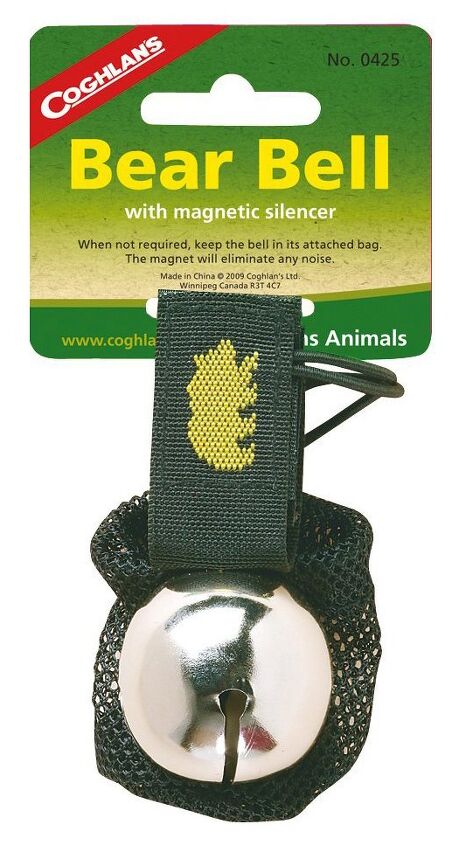
In the interest of helping people avoid becoming a snack for a bear, most outdoor stores sell bear bells. These bells are meant to attach to hiker’s backpacks and give a heads up to any bears in the area that a human is coming. Increasing, outdoorsy pet parents are attaching bear bells to their dog’s collars or harnesses while off on the trail. These bells work on the assumptions that the bears want to avoid you, and that they can even hear the bells. But are bear bells a good idea?
First off, the best place for your dog is on a leash. There have been numerous cases of dogs who have encountered a rather unfriendly bear, turned tail and ran back to Mom or Dad for help, with the bear in tow! So if you are looking to keep your dog safe from bears, the most simply and easiest way is to keep them on leash.
Related:Top 5 Reasons To Go For An Autumn Hike With Your Dog
Don’t believe me? Years ago, while doing some maintenance on my property, I had let the dogs run loose. I figured it was my own place, and they would stick close. The youngest two, ran into a bear, aggravated it enough that it decided to chase them, right back to me! Thankfully three other dogs and myself were able to convince the bear to make a hasty retreat. I shudder to think what could have happened, right in my own backyard!
Dinner Bell?

Usually
But bears aren’t the only animals in the woods. Wolves and coyotes are far more likely to prey upon your dog, and an off leash dog with a bell on is pretty much advertising a free meal.
Related:What Animals To Watch Out For While Hiking With Your Dogs
Impaired hearing?
But is strapping a bear bell to your pet a good idea? A pet wearing a bell may not be able to hear what is going on as well. A bell tied to your dog is meant to make some noise – noise, which in theory, is loud enough to scare any bears in the area. If it’s meant to scare away bears from a distance, what is that bell’s constant clanging doing to your dog’s ability to hear? I am not suggesting that the bell is loud enough to do any long term damage, but a clanging bell is certainly going to impact your dog’s ability to hear what is going on in the environment.
No Association
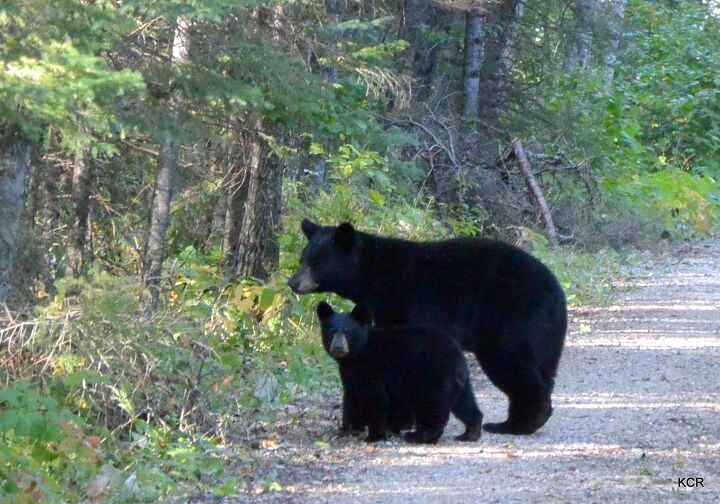
Bear bells are meant to work on the association that the ring-a-ding-ling sound means humans are present. Using a bear bell assumes that the bears know what the sound means as well. That’s all well and good if everyone has used bear bells properly and the bear has learned to avoid humans. In a perfect scenario, people and bears can share the woods and avoid conflict with each other.
Bad Association
But once again, perfect is ruined by irresponsible pet parents. Where this potentially fails, is irresponsible hikers who have let their off-leash dogs run lose. Lose dogs who have been allowed to harass wildlife. A bear weary of being harnessed by dogs, might hear the ells, and decide to go on the defensive.
Bell Yeah, or Bell No?
To bell or not to bell? That is the question. Ultimately it comes down to each hiker to make their own decision. Know the area you are hiking and remain vigilant for signs of bear. My approach to bears has always been to remain watchful for signs of bears in the area, and to make enough noise that the bear knows I am there.
Bear bell or not, the best thing to do is to know what do in case you and your dog encounter a bear. And in my next article, I’ll talk about what you need to know to keep a safe distance between you, your dog and bears.
If your dog encounters a bear, despite your best efforts, that’s obviously problematic. Like big-time. If your dog was off-leash (WE TOLD YOU), and should charge a bear, you better hope you have some bear spray because that’s about all that’s going to fix that situation.
But, if your dog was on-leash (good job), there are some things you can do.
If the bear hasn’t seen you? GET OUT. Don’t run, but quietly and quickly leave. Bears can run as fast as 30mph (seriously) so do not run. He’ll outrun you every time.
If he HAS seen you, keep your dog very close and stay calm as long as the bear is 15 or more feet away. Don’t move suddenly–give the bear space and do NOT approach it or talk to it. Try to gently turn and leave in the same way you came. If you have NO choice but to go on, give the bear PLENTY of space as you detour.
If the bear looks like his behavior is changing? You are TOO close. Back away, gently and give him room. Speak at a normal tone of voice and move your arms, but not wildly.
If the encounter is unavoidable and at close range? Stand as tall as you can and make yourself as large as you can. Don’t make eye contact but speak calmly and assertively –assuredly as back up and get yourself and your dog out of danger. If he continues to move toward you? Wave your arms wildly and make LOTS of noise. Typically, bears back off at this point. If not, throw something out of your way and into his–a camera, bag, anything that may distract him long enough for you and your dog to escape. DO NOT toss food though, or attempt to as he’ll think you’re a great source and continue after you.
If at all possible, give him a way out. Leave a route open for him and he’ll likely take it.
If he charges you or your dog, though…make sure your bear spray is near. If you know the bear is a BLACK BEAR and has a way out? Stand tall, make eye contact and yell loudly to leave.
If it’s a grizzly, though? And he’s charging? You’ll need the bear spray. Use it.