How can we make sure our pets are protected if there is an emergency in our home? Read on to find out how to protect pets from emergencies at home.
I love my dogs like they’re my flesh and blood. That said, they do tend to go on chewing sprees when we go out of the house (they’re both young) and so we crate them while we are gone. We’ve crate trained them since they were babies, and they prefer being in their crates on their own even when we are home sometimes. It’s their space and they love it.
Related:How to Crate Train Your Dog
But I always worry about what would happen to them if I was gone and an emergency happened at my house. I get near neurotic about turning off anything that could start a fire, because the thought of them stuck in their crates while I’m not there tears me up. No matter how careful we are, though, accidents are always possible, and so it’s important to take precautions for our pets.
Recently, while at Global Pet Expo 2019, we were lucky enough to come across the folks at MAYA Home Monitoring. Most of our homes have fire and carbon monoxide detectors that will alert us to an emergency, but what happens to our pets if we’re not there? Enter the MAYA Smart Detector.
It’s a self-contained, battery-powered smoke detector that doesn’t need WiFi, phones or power (often compromised in emergencies) and communicates with cellular networks 24/7. When you’re gone, Fido can’t call 911 and ask for help, but with the MAYA Smart Detector, they don’t have to because the folks at American Security Technologies (AST) have been protecting families for over thirty years around the clock. At Global, we got to speak with Zsolt Sapy, who told us that their monitoring networks immediately alert you with texts and calls, and they also notify emergency services in your area to respond to your home emergency until you arrive. Best, they specifically tell emergency services that you have pets in your home and that gives your fur babies the best chance for survival.
While speaking with ‘Z,’ we also learned that carbon monoxide endangers pets before it endangers us. Because it rises, and often detectors are on the ceilings, even if you are home, your pet may be affected well before you are, or it’s too late, and that’s why placement of your carbon monoxide detectors is so important. According to the American Society For Prevention of Cruelty To Animals (ASPCA), carbon monoxide poisoning can result in prolonged neurological effects or even death, so being sure you have monitors, they’re well maintained and properly placed is key.

Another easy but super important way you can help protect your pets in the event of a home emergency is to be sure first responders know you have pets. Something as basic as stickers in several different locations can alert emergency services to the fact that you have pets, what they look like and even where they are. When time is of the essence, that quick access to who is in the house can make the difference between life and death.
Make sure that your pets will be easy to find should emergency services be needed. Yes, we want our pets to eventually make themselves comfortable wherever they are, but according to the American Red Cross, keeping pets near the entrances of your home should something happen is a time saver and possibly lifesaver for first responders. No, I don’t love two huge crates in my front room as you walk into my house, but I’d take that any day over knowing my pets were inaccessible for first responders in an emergency. We also keep leashes right by the door too just in case we have to make a quick exit for whatever reason.
Related:More Than Half of Pet Owners in America Are Not Prepared for a Pet Emergency
And, most importantly, make sure your pets are identifiable at all costs. In emergency situations, even if first responders know and rescue your pets, the chance that the trauma could terrify them and lead them to run off is very possible and the last thing you’d want to do is see your beloved pet survive a home emergency only to be lost and not found. Veterinarians always recommend microchipping your pet in case they are lost and someone else finds them and we heavily advocate the use of tags that have identifiable information that is easy to access.
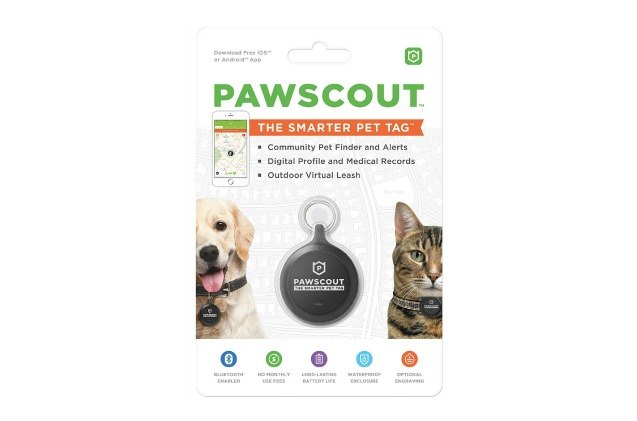
We love PawScout’s Smart Tag that not only gives information easily and quickly, but works with a community to help track your pet down with the help of others in your community. If any PawScout app user comes within 300 feet of your pet, you’ll be notified. The PawScout app is a great one to have also because it allows you to have a full digital profile of your pet in the app so that people can more easily locate and help you reunite in the event the trauma of the home emergency pushed them away. We’d like to think that they’d find their way home, but they may just be too terrified to return.
All too often we think that a home emergency won’t happen in our homes because we take precautions and we’re careful. The reality is, though, that there’s no way to prevent every home emergency, but there are definitely ways we can protect our pets in the event of home emergencies. Making sure we have monitoring systems and alerts that will let first responders know our pets are home and need help is key, and ensuring their safety with identifiers in the event that they leave your home because of the trauma can make a tragedy less tragic and save lives in the process.